
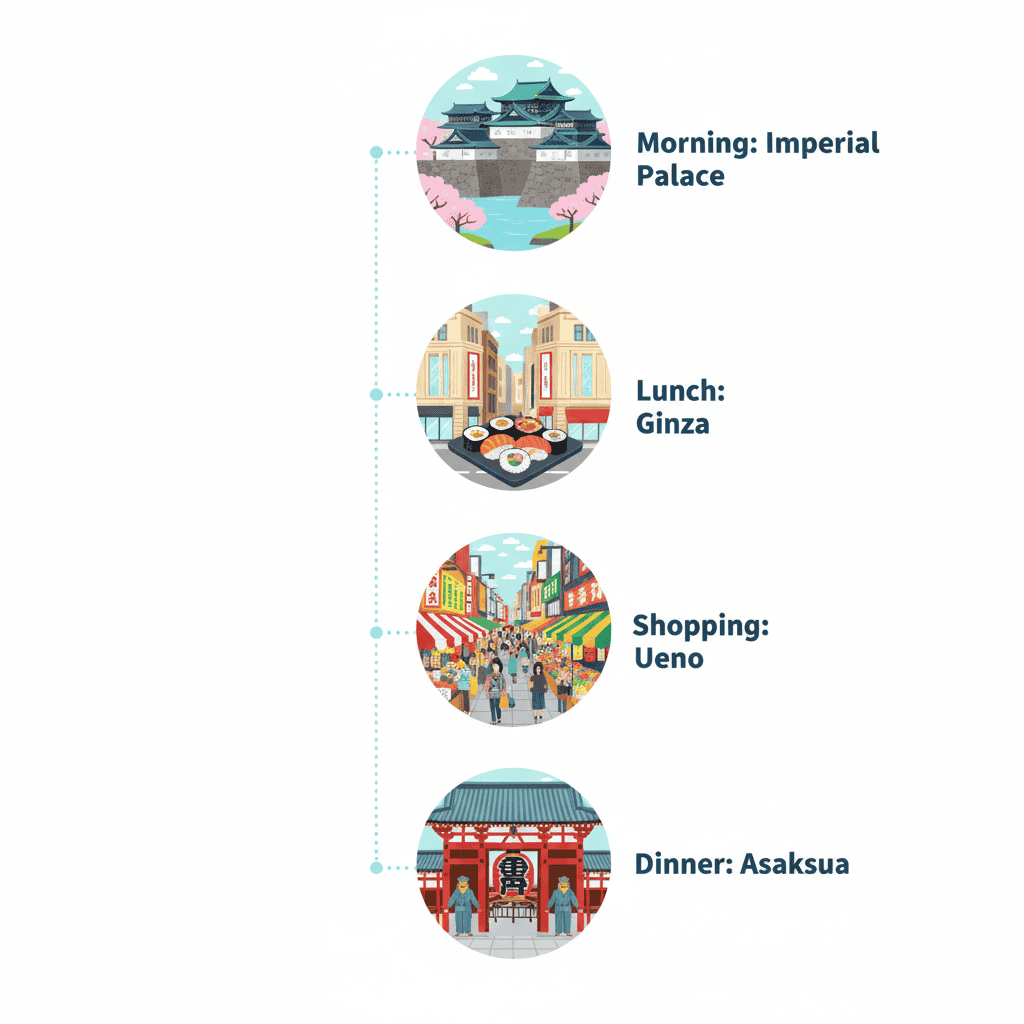
Morning Glory: The Imperial Palace Circuit
The Story
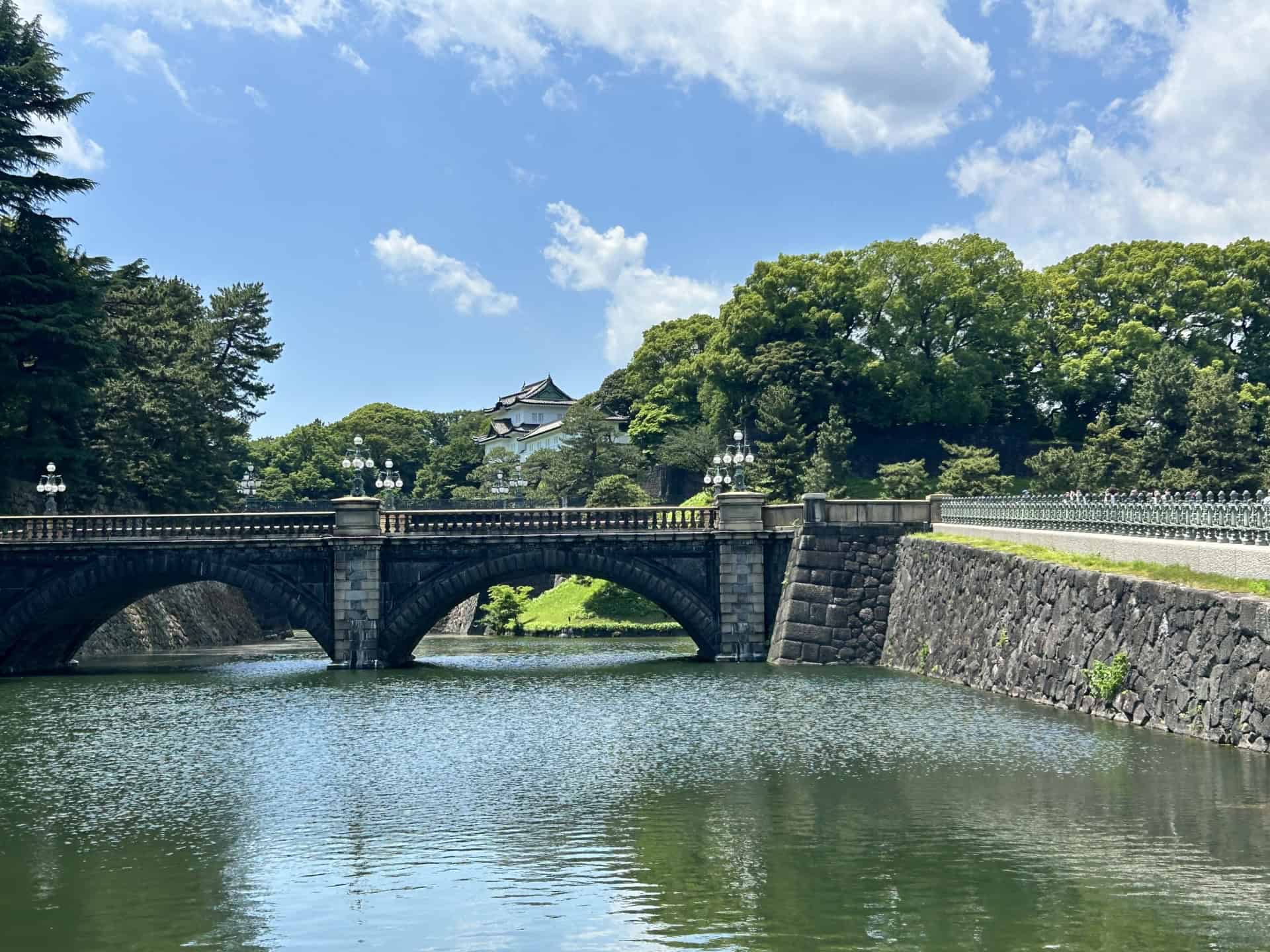
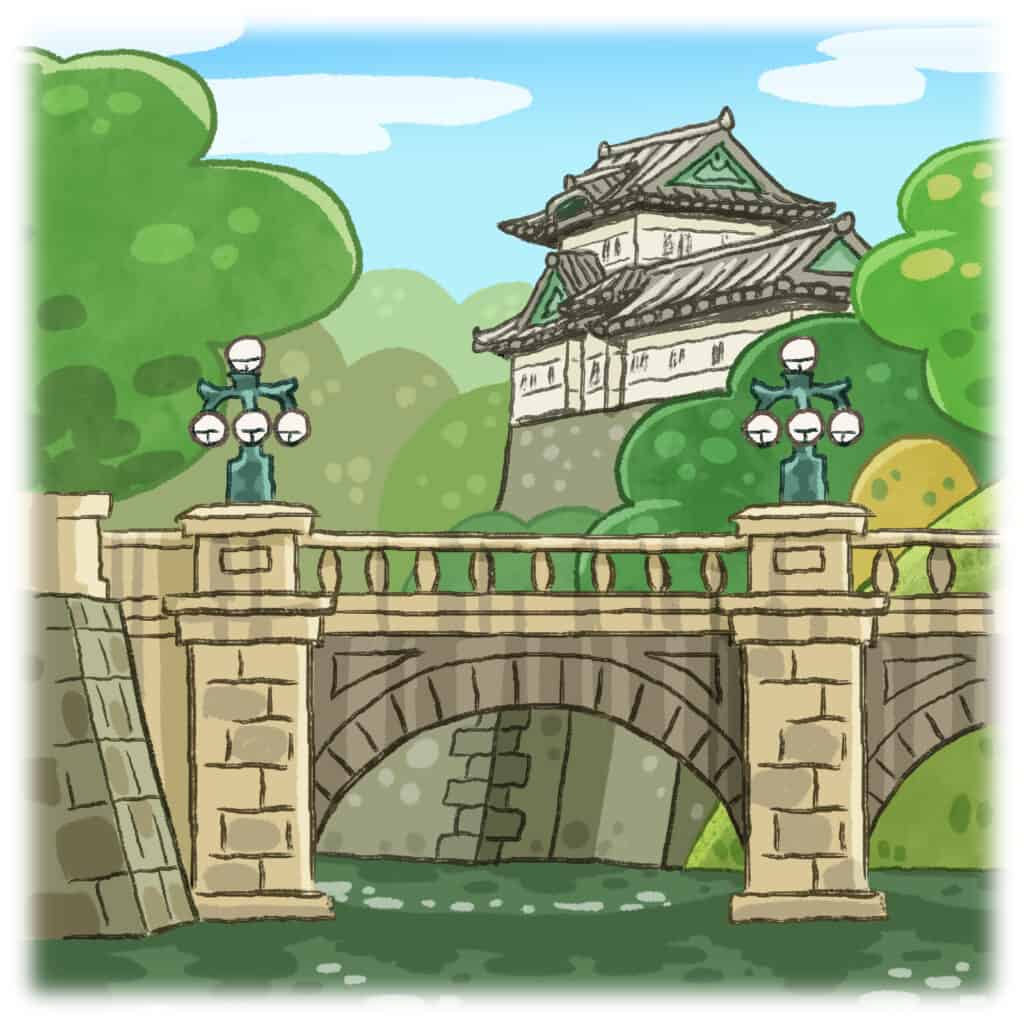
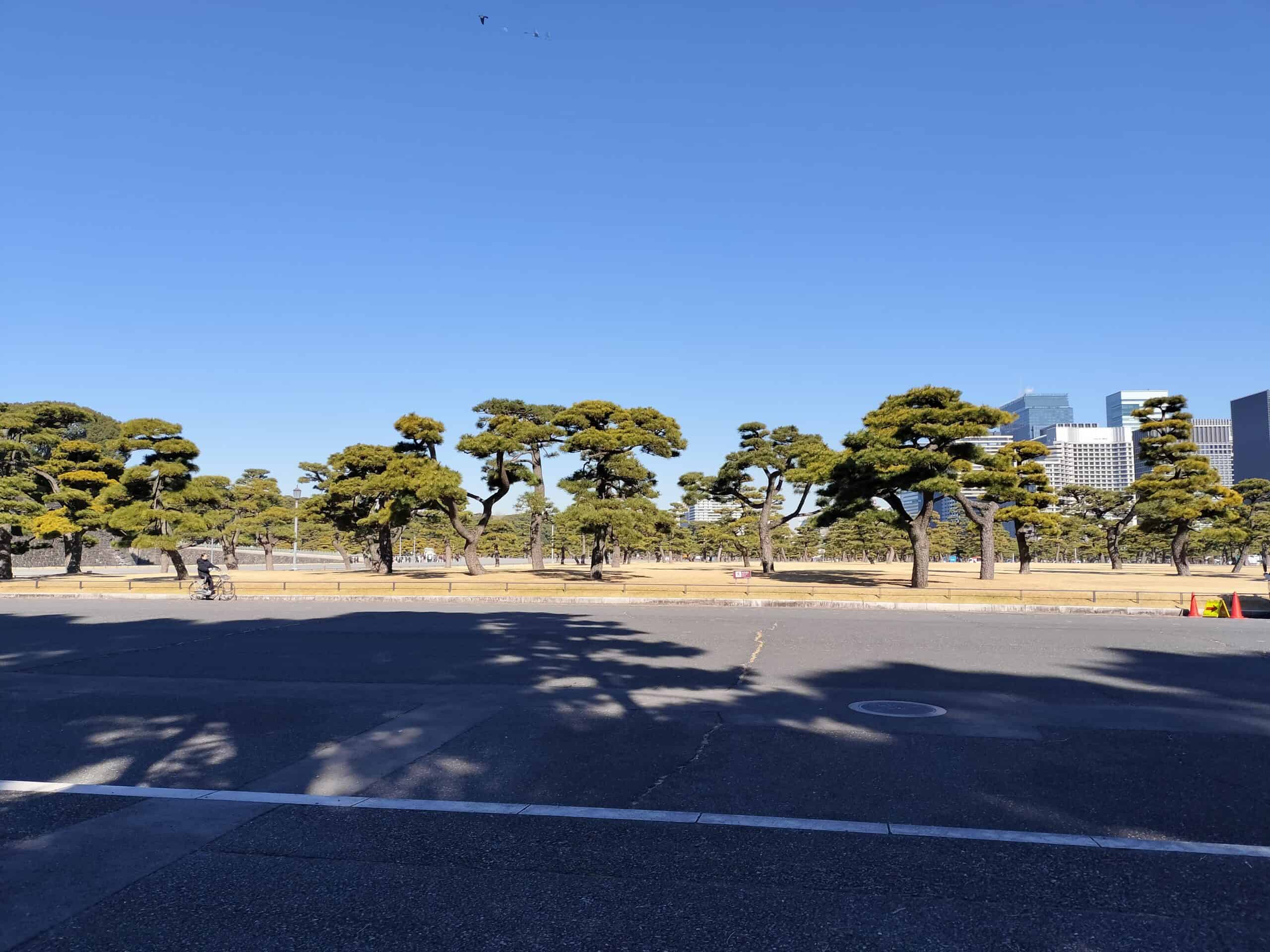
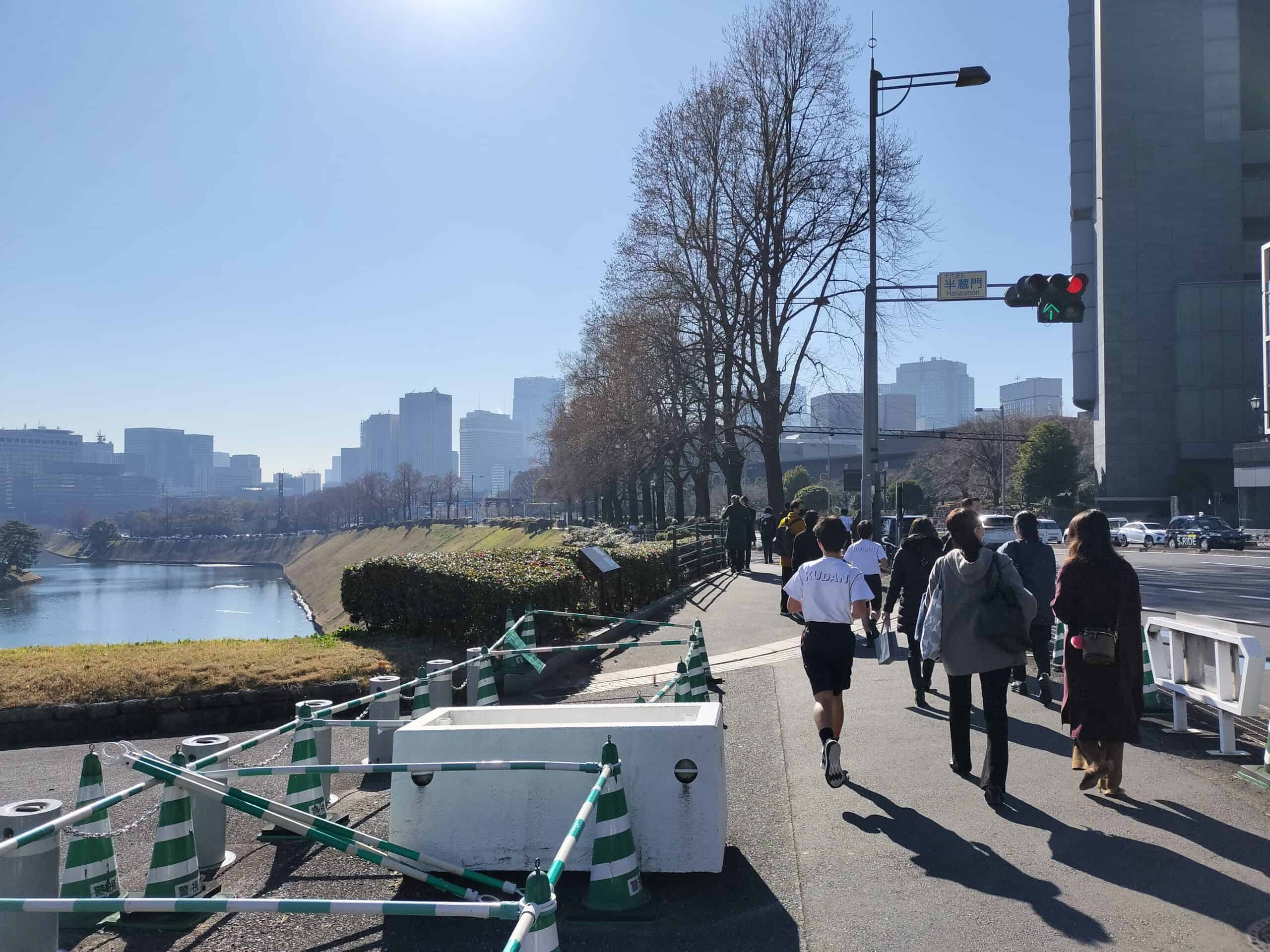
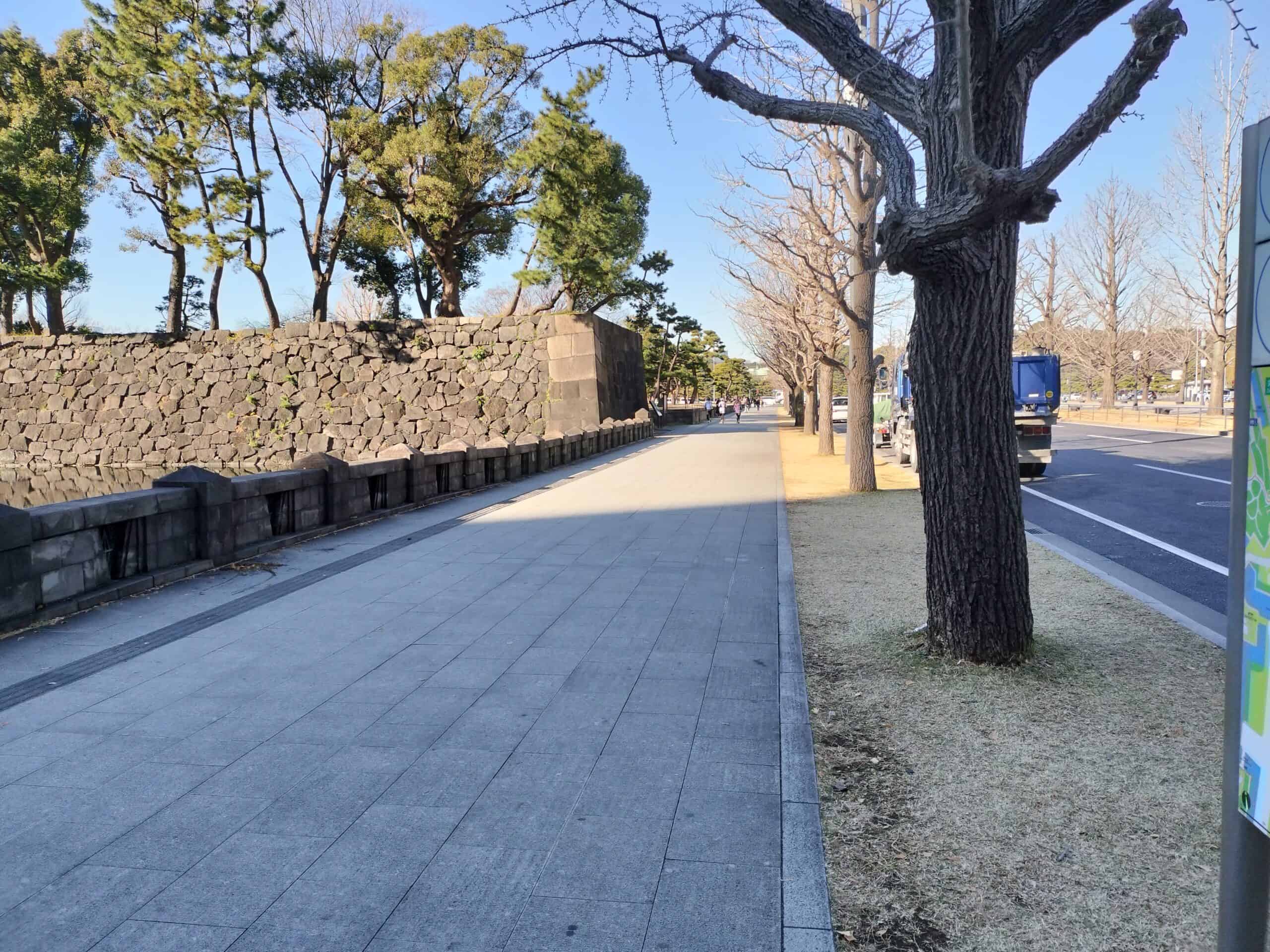
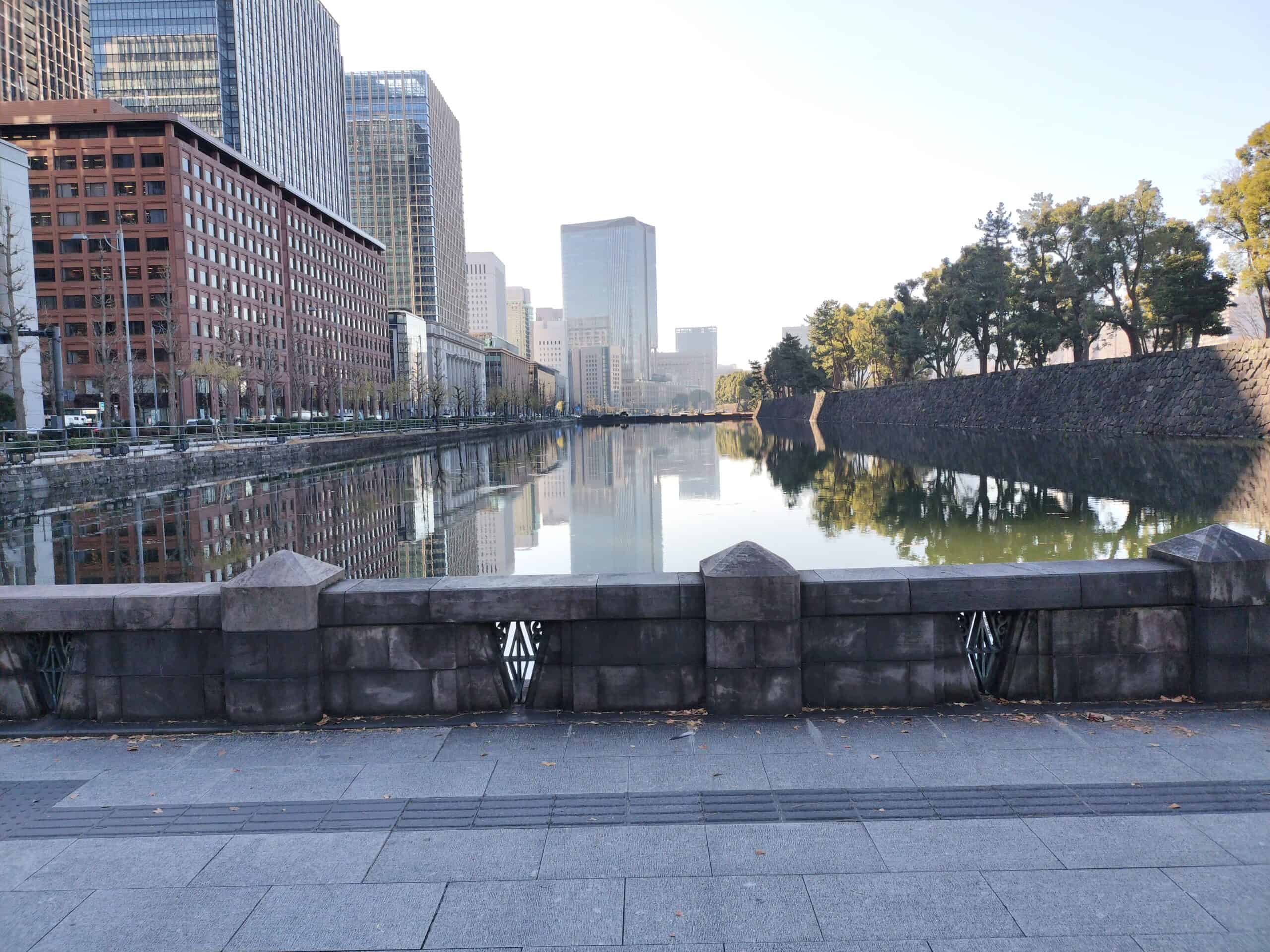
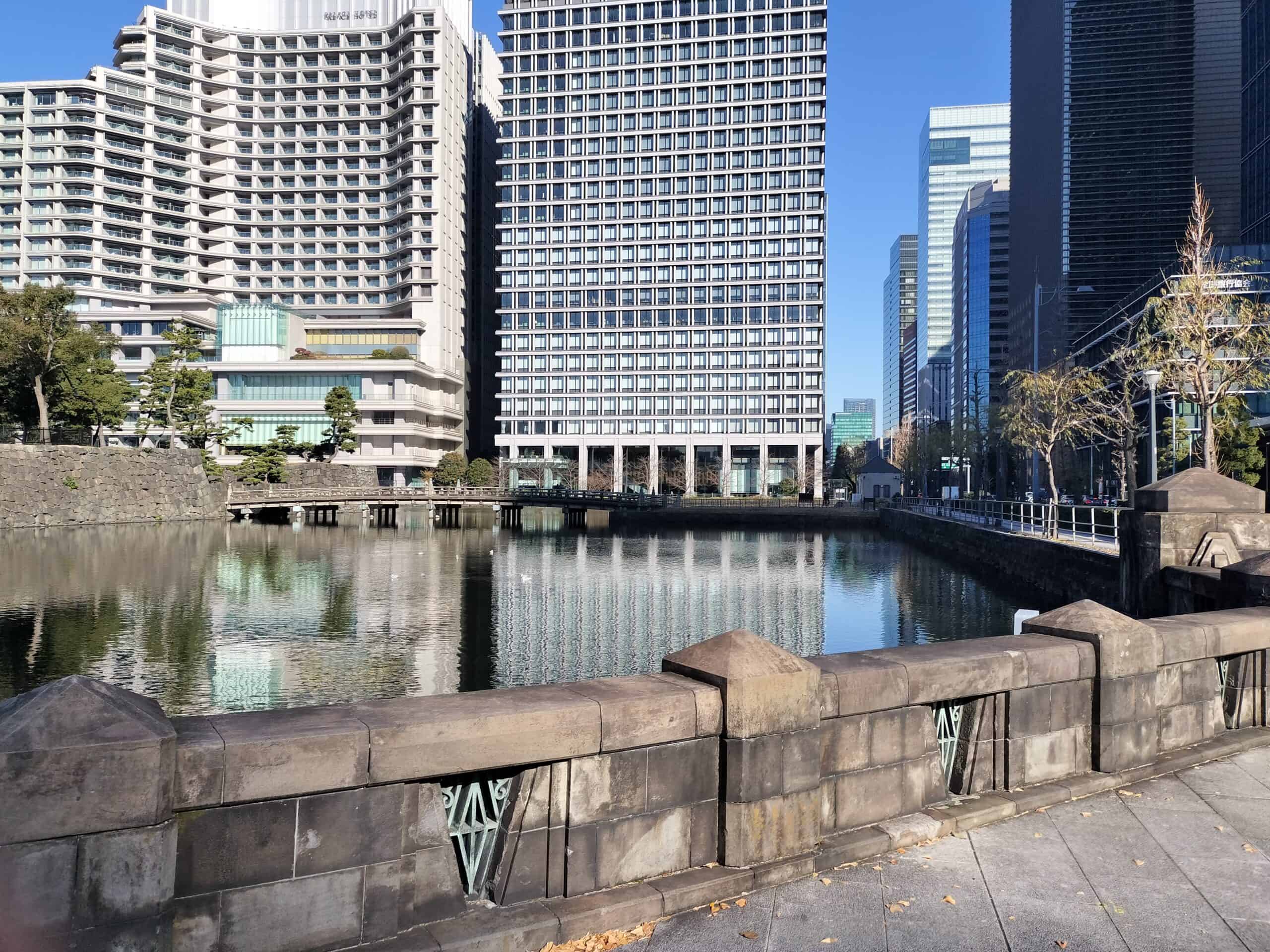
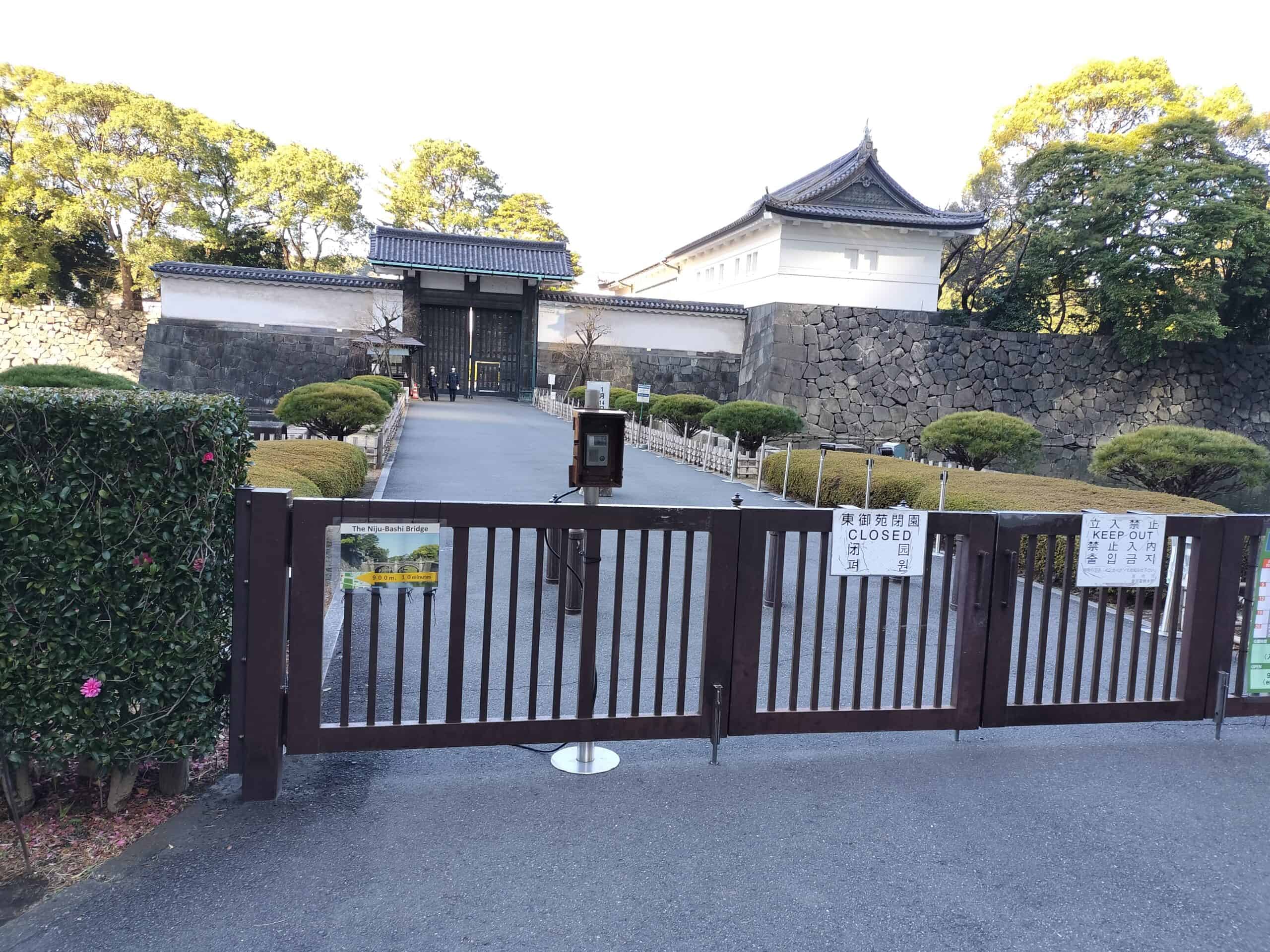
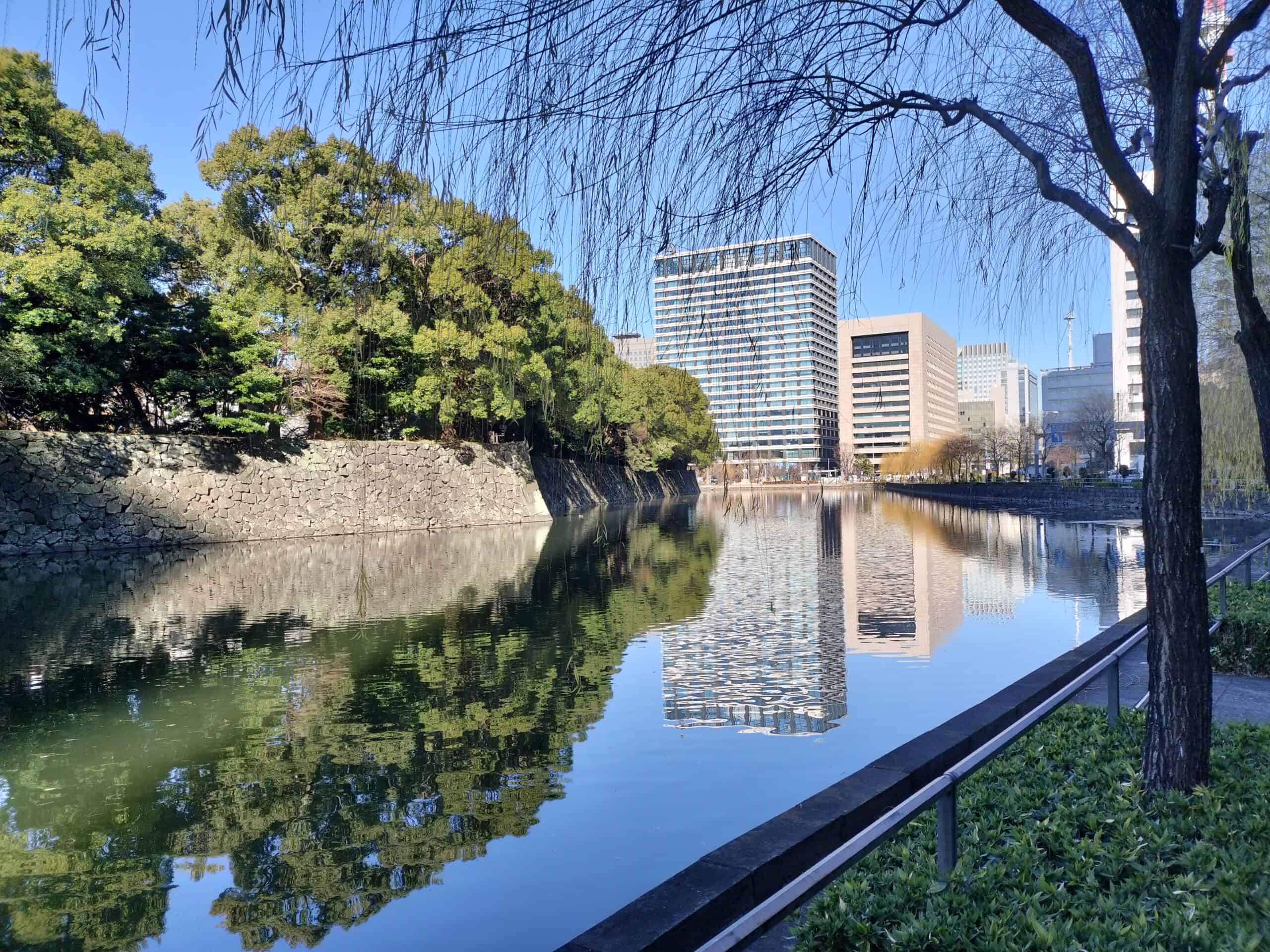
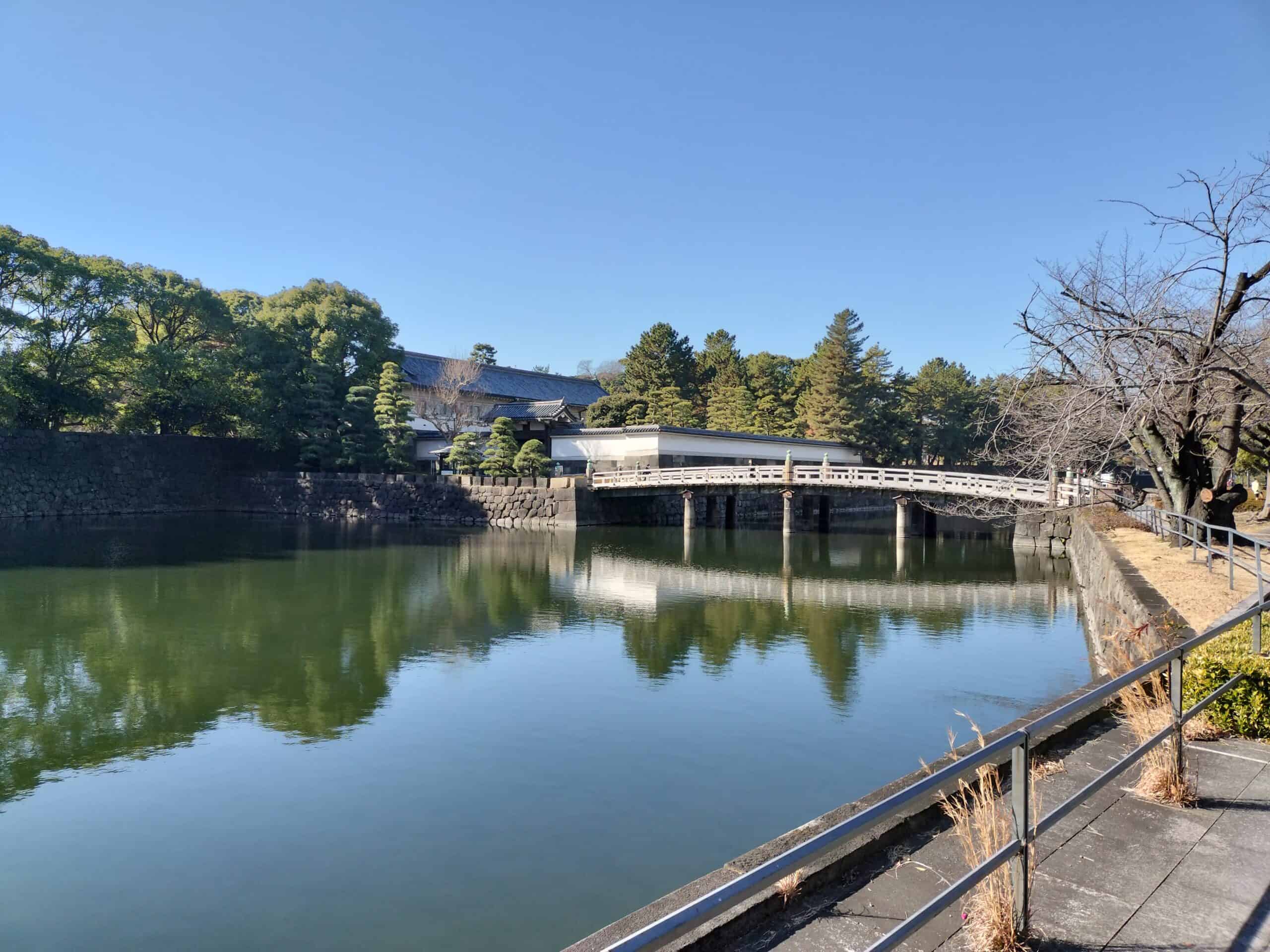
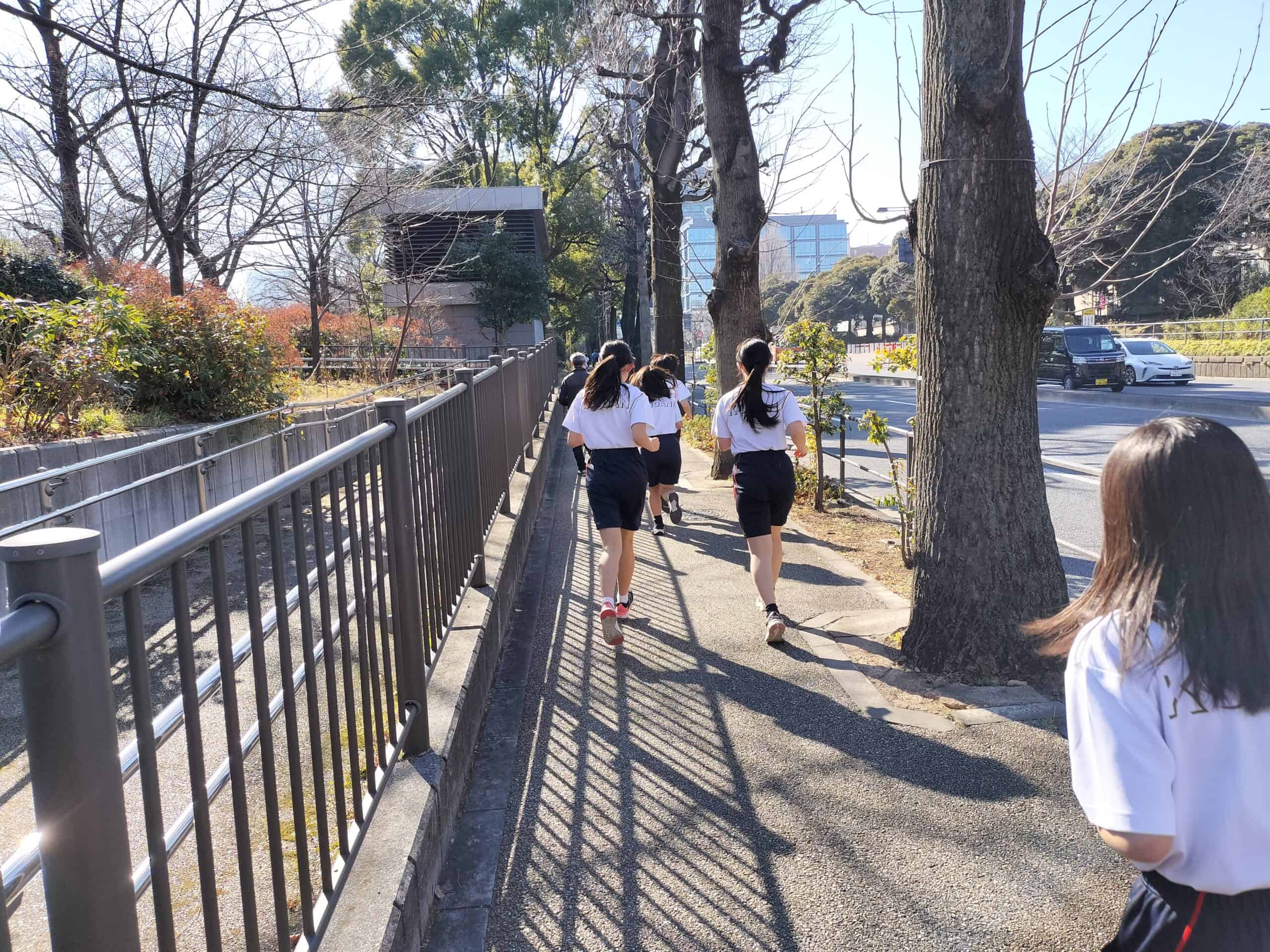
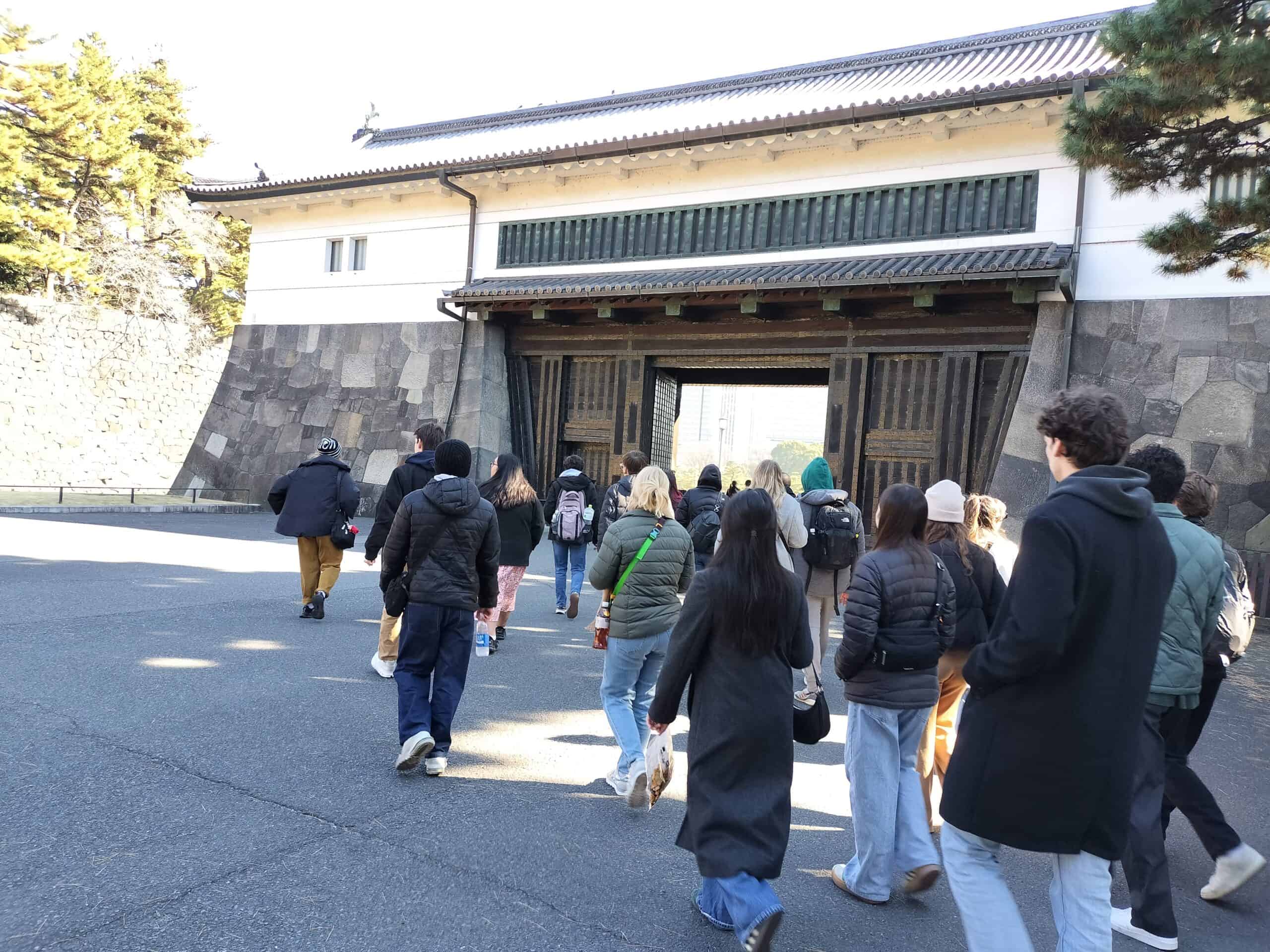
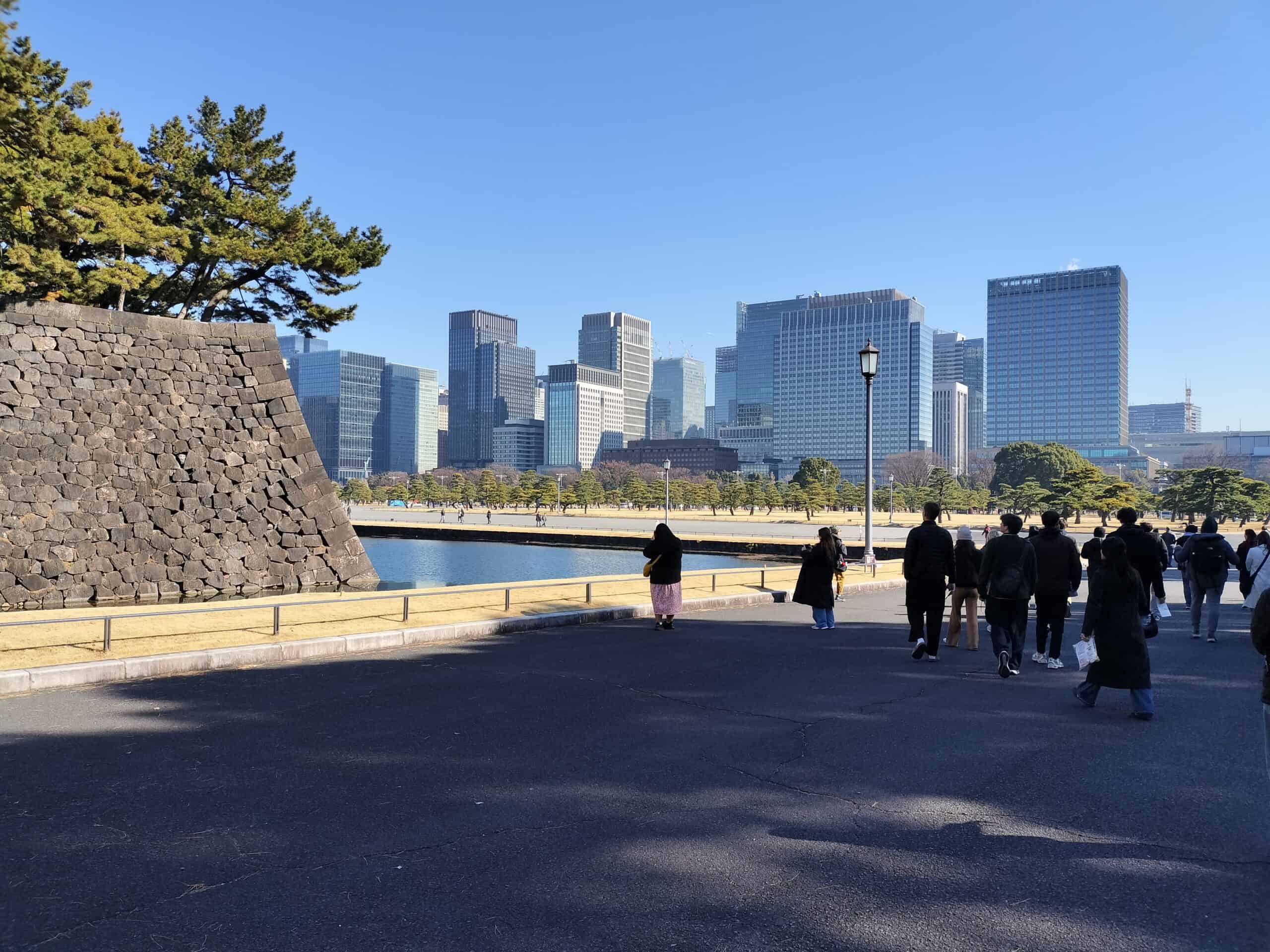
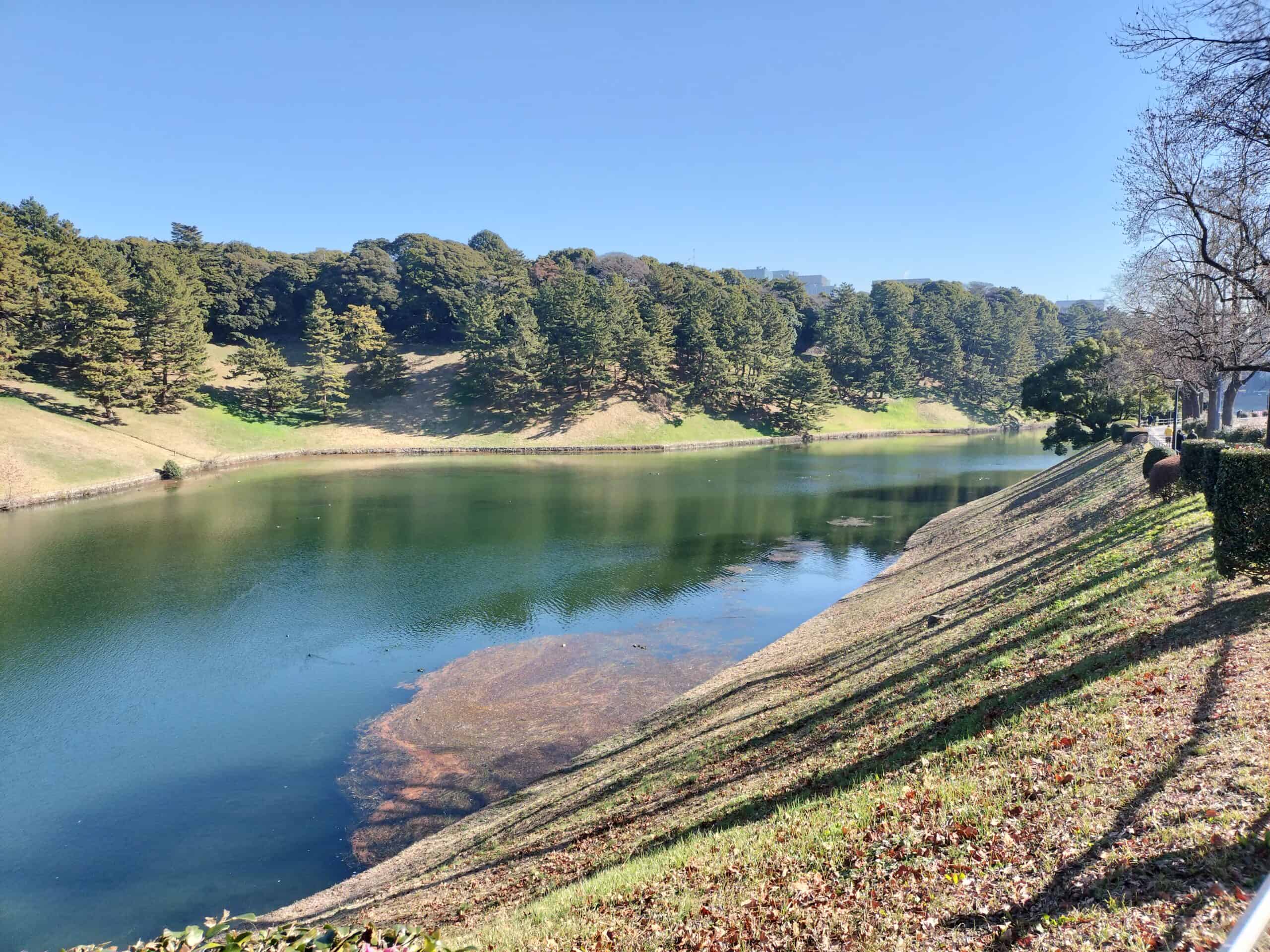
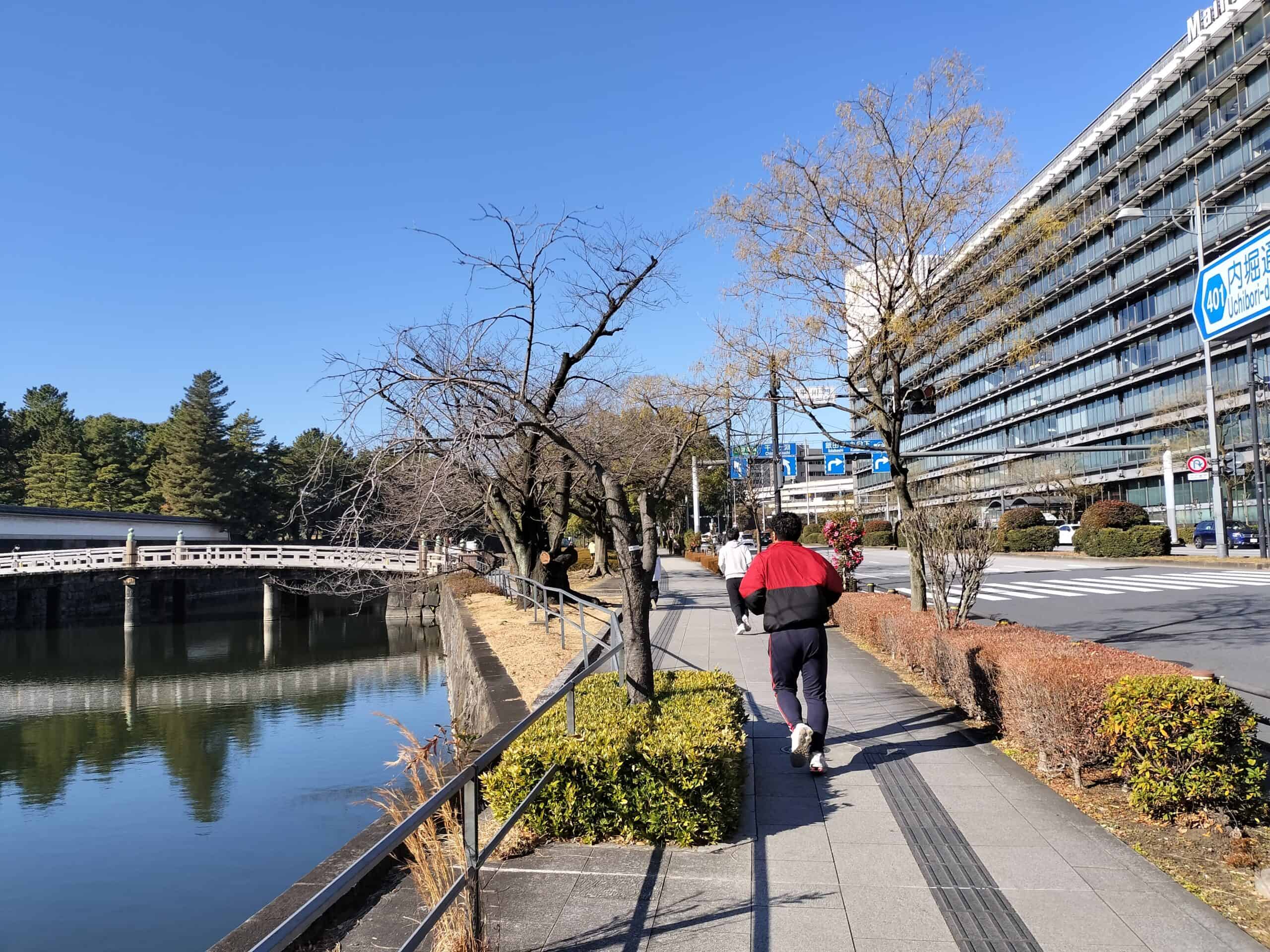
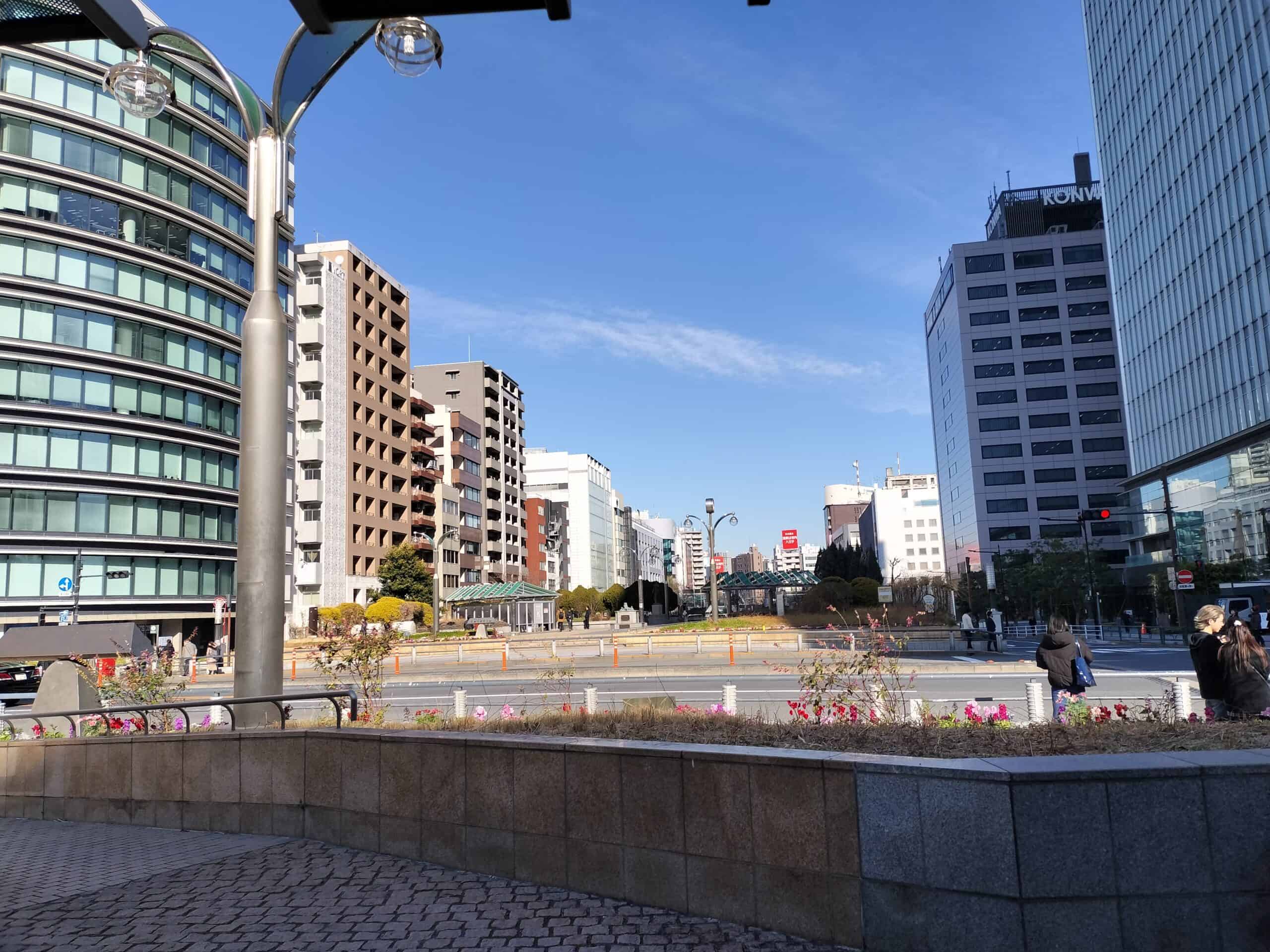
- Start your day at 9:30 AM with what might be the world’s most prestigious morning walk – a loop around the Imperial Palace. This 5-kilometer path, once the perimeter of Edo Castle, now serves as a seamless blend of Japan’s past and present. As you stroll counterclockwise from Tokyo Station’s Exit 6, you’ll find yourself in an unlikely urban oasis where suited executives jog past tourists, all against the backdrop of ancient stone walls and gleaming corporate headquarters.
Practical Guide
Start Point:
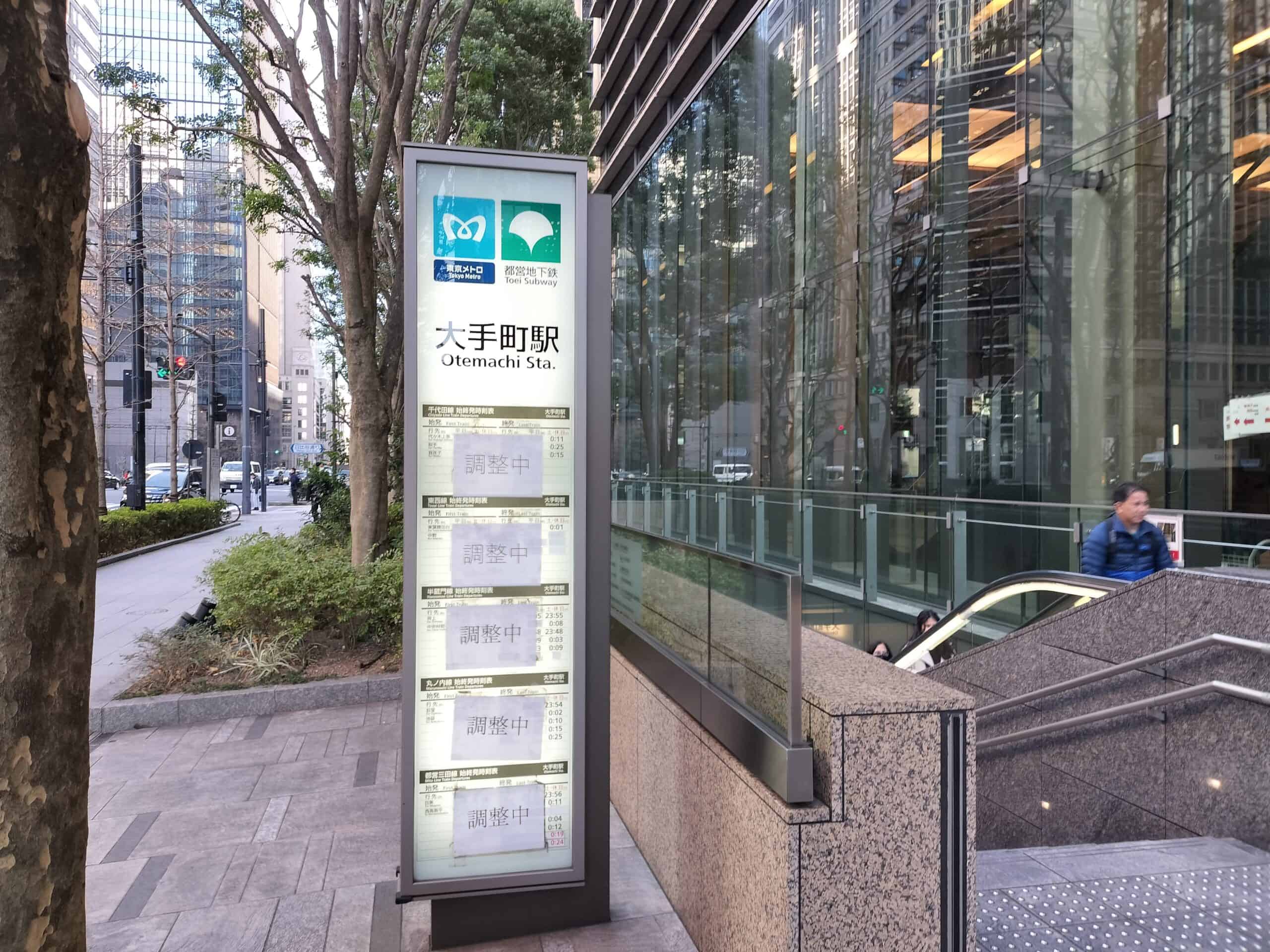
- Tokyo Station Marunouchi Exit 6 or Otemachi Station Exit 13
- Best Time: 9:30 AM
- Duration: 60~90 minutes
- Cost: Free
Walking Instructions:
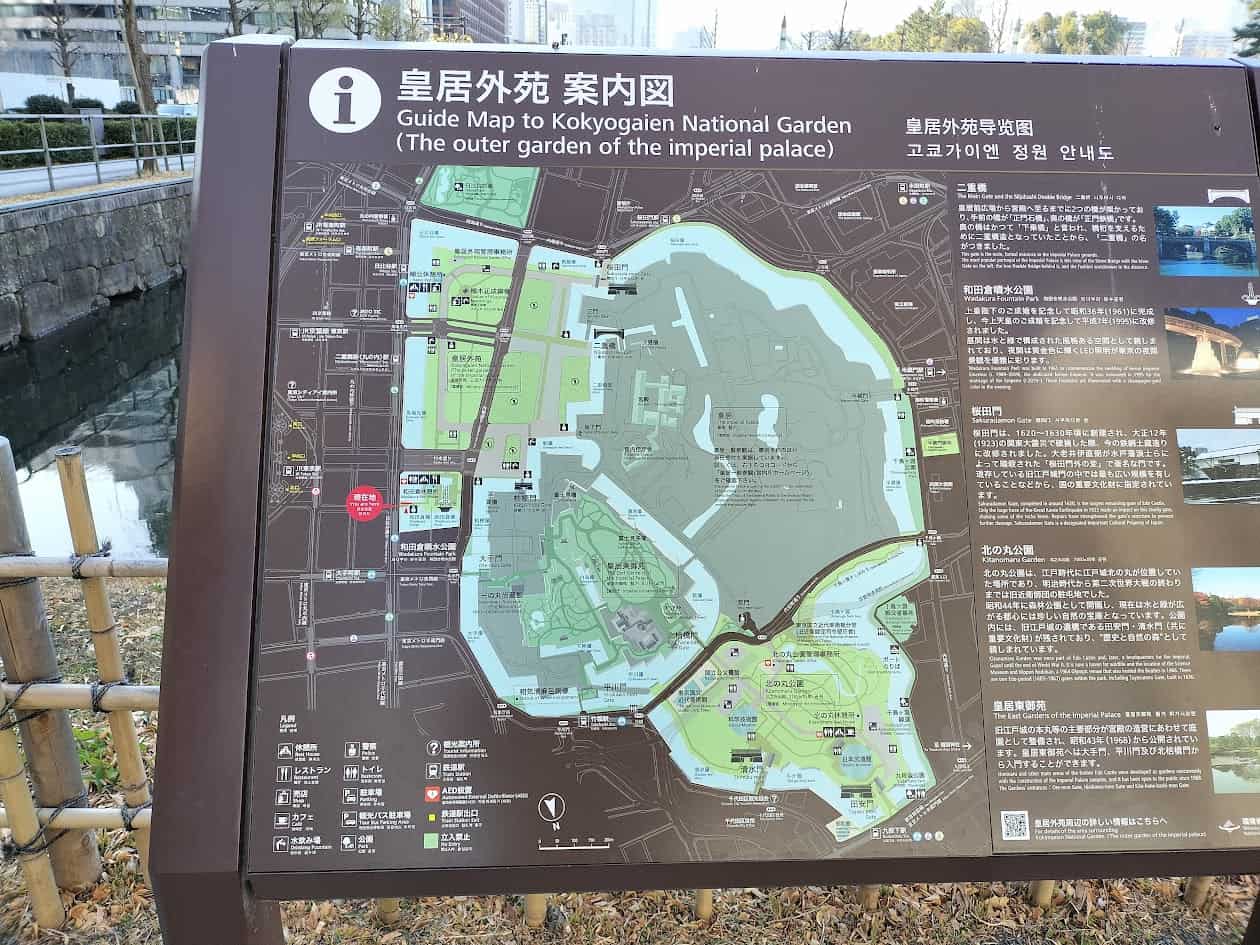
- Route: Exit Tokyo Station -> Face the Palace -> Turn right -> Follow the moat counterclockwise -> Head towards Sakurada Gate.
- Note: From Sakurada Gate(where you’ll see the Diet Building), do not return to Tokyo Station; continue straight towards Ginza.

Walking Route from Otemachi to Sakurada-mon
🏯Walking Route from Otemachi to Sakurada-mon (Click here to expand)
You Tube Preview (Click here to expand)
👣Walking Route from Sakurada-mon to Ginza (Click here to expand)
👁️ Kajino’s Eye: The Power Spot
This isn’t just a jogging course for elite executives; it is the spiritual and historical center of Japan. As you walk, observe the contrast. You have the massive, rough-hewn stone walls built by samurai centuries ago on one side, and the gleaming glass headquarters of global corporations on the other. This visual clash is Tokyo. It costs nothing to walk here, but the energy you get from this “Power Spot” is priceless.
Ginza: Luxury Meets Local Wisdom (11:30 AM)
The Story
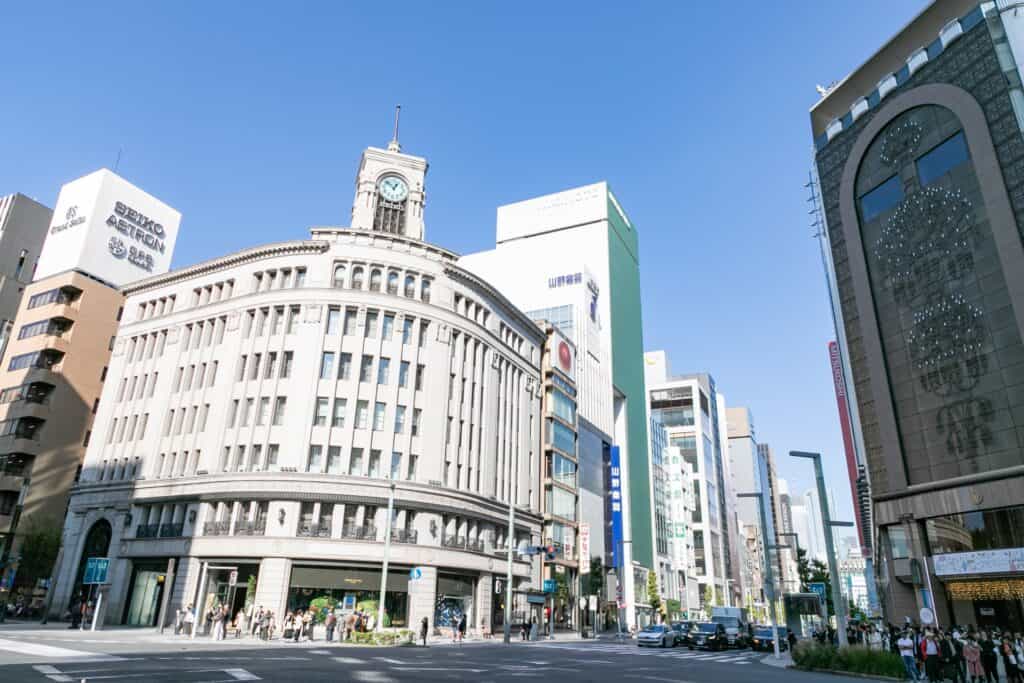
The Story After your walk, you will arrive in Ginza. Known as the most expensive real estate in Japan, Ginza is where you might expect to pay a fortune for lunch. However, this is where “Smart Tokyo” shines.
👁️ Kajino’s Eye: The “Lunch Paradox”
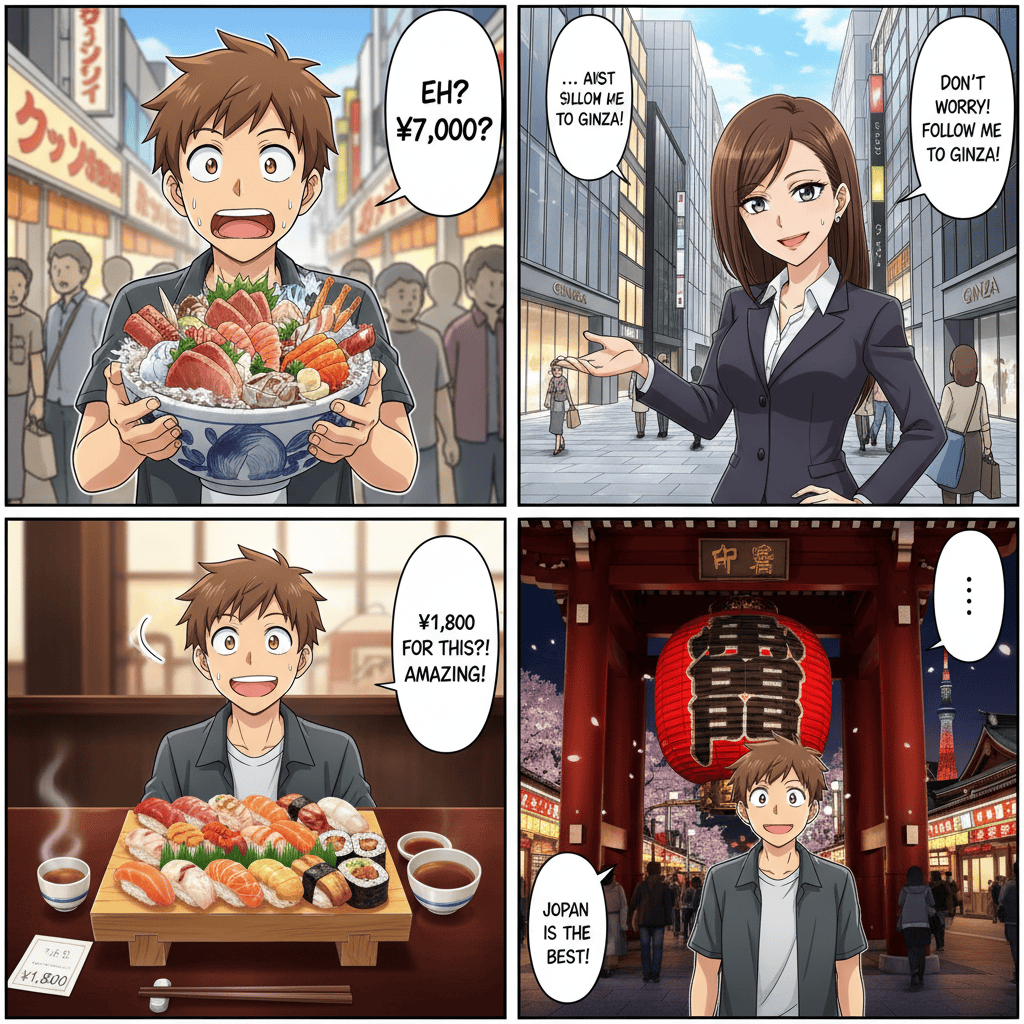
Here is a secret: Ginza’s high-end restaurants make their profit at dinner (where bills often exceed ¥30,000 per person). To keep their chefs busy and ingredients fresh, they offer “Loss Leader” lunches. Conversely, places like Tsukiji or tourist hubs charge high prices all day long because they target one-time visitors. In Ginza, restaurants must satisfy picky local salarymen every day. If the quality drops or the price is too high, they go bankrupt. That is why Ginza lunch is the highest value-for-money meal in Tokyo.
Here are three “Smart” choices:
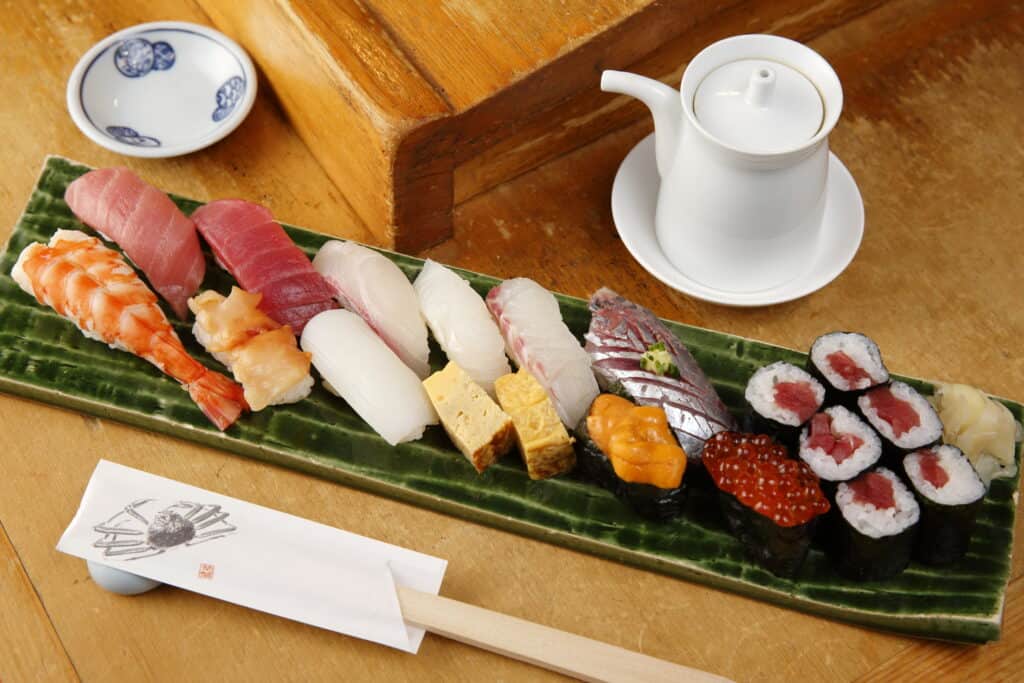
Sushi Sekiya(Sushi)
- Signature: Tairyo Nigiri Set (12 pieces + hand roll) – ¥1,800
- Ginza Ins 2, B1F、2-2、Chuo-ku, Ginza-nishi,Tokyo,
- Important: Limited to 8 counter seats
- Language Tip: Simply say “Tairyo Nigiri”
- Hours: 12:00 – 14:30 / 18:30 – 22:00
- Closed: Monday
Gyuan(Sukiyaki & Steaks)
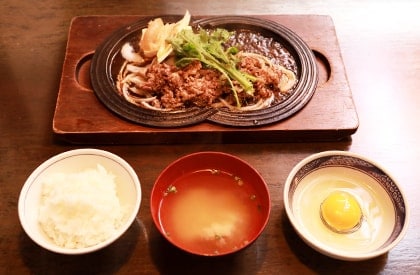
- Signature: Teppan Sukiyaki (¥1,300)
- Historical Note: Site of 2023 Japan-Korea diplomatic dinner
- English menu available
- Address:B1f, 6-13-6、 Ginza ,Chuo-Ku, Tokyo
- Hours:11:30 AM – 2:00 PM/5:30 PM – 10:00 PM
- Closed Sundays
Gyuan You Tube Preview (Click here to expand)
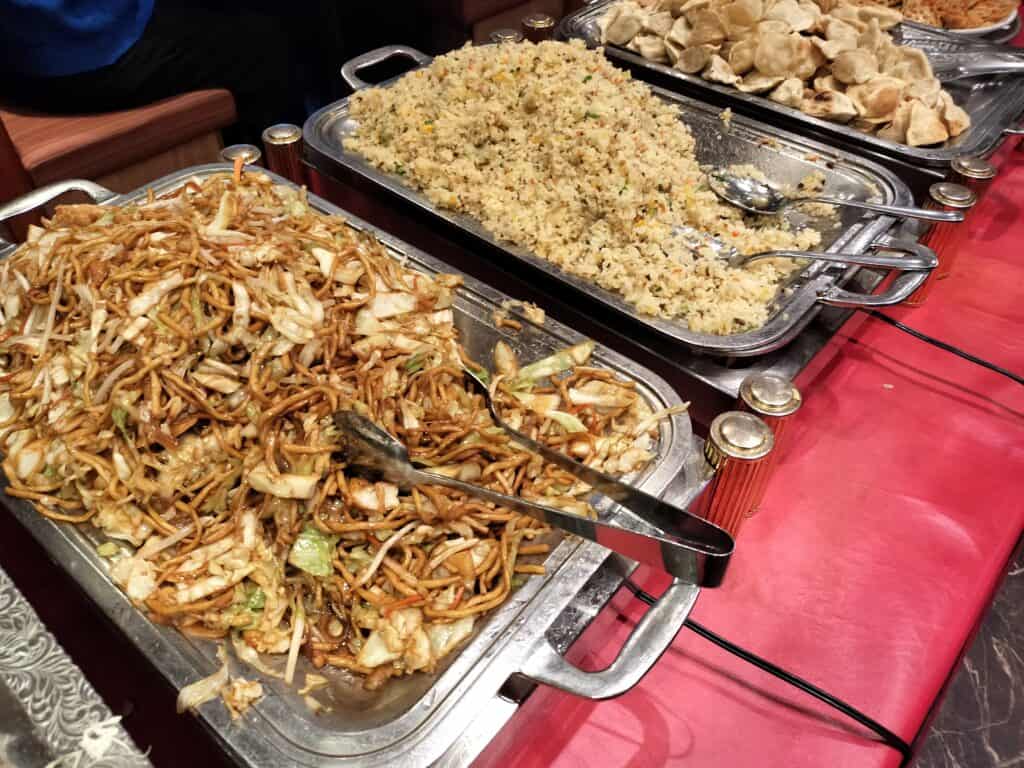
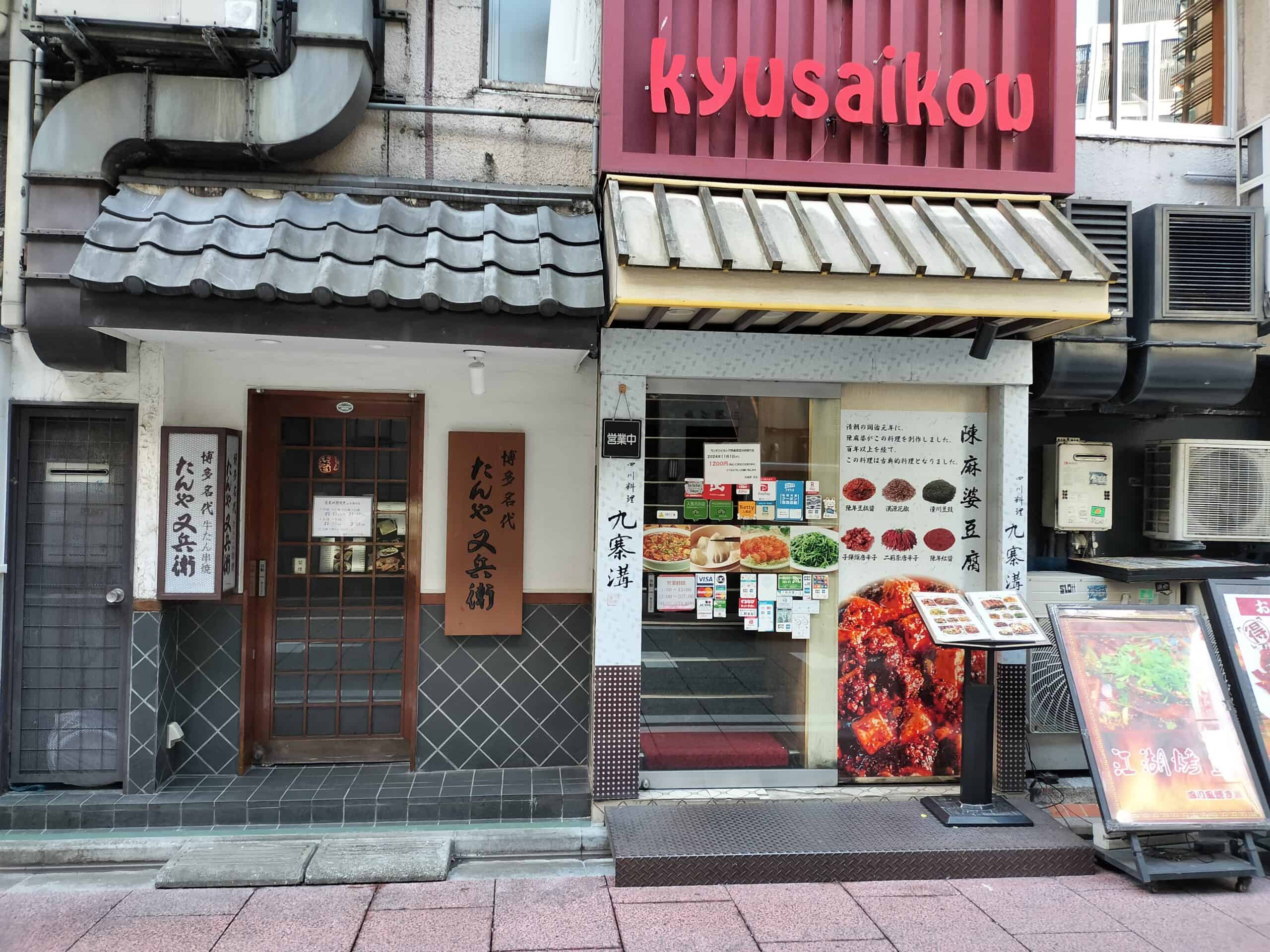
Kyusai-Ko(Chinese)
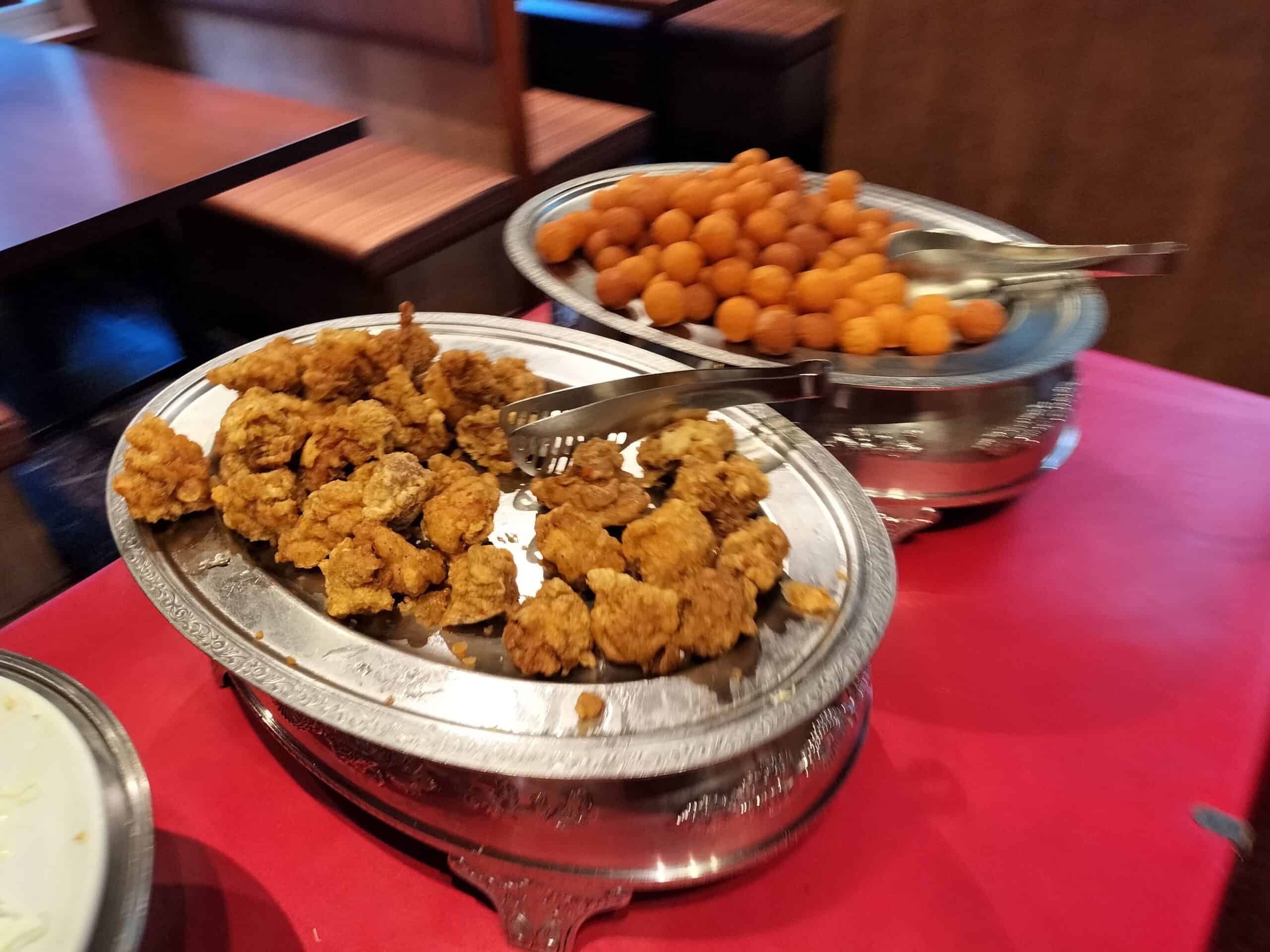
- Price: ¥1,200 all-you-can-eat
- No time limit (rare for Tokyo buffets)
- Language Tip: Just say “buffet” and show people count
- Must-try: Complimentary xiaolongbao on first order
- Address: Ginza 7-3-13 New Ginza Building 1, 202
- Sichuan cuisine
Afternoon Coffee Break: Hidden Luxury in Ginza
The Story
After lunch, Ginza’s historic cafes beckon with their chandeliers and white-gloved service – and prices to match. But here’s another local secret: Tully’s Prime Five in Tokyu Plaza offers the same refined atmosphere at a fraction of the cost. While tourists queue at the famous old-world cafes paying ¥2,000 for a cup of coffee, you can sink into equally plush seating under sparkling chandeliers for just ¥500.
For those craving something sweeter, Libisco’s artisanal gelato (¥700-800) has earned its place among Tokyo’s top 100 dessert destinations – proof that even in Ginza, excellence doesn’t always come with an excessive price tag.
Tully’s Prime Five
Libisco
- Location: Tokyu Plaza Ginza B1F
- Price: Coffee from ¥500
- Features: Chandelier lighting, spacious seating
- Free WiFi available
- Less crowded than traditional Ginza cafes
- You Tube video
- Award: Tokyo’s Top 100 Gelato Shops 2023
- Price: ¥700-800 per serving
- Location: 1-minute walk from Ginza Station [A13]
- Hours: 12:00 – 19:00 (11:00 – 19:00 weekends)
- Ordering Tip: Point to your preferred flavor
- You Tube Video
Tully’s You Tube Preview (Click here to expand)
Libisco You Tube Preview (Click here to expand)
The Art of Ginbura
The Story
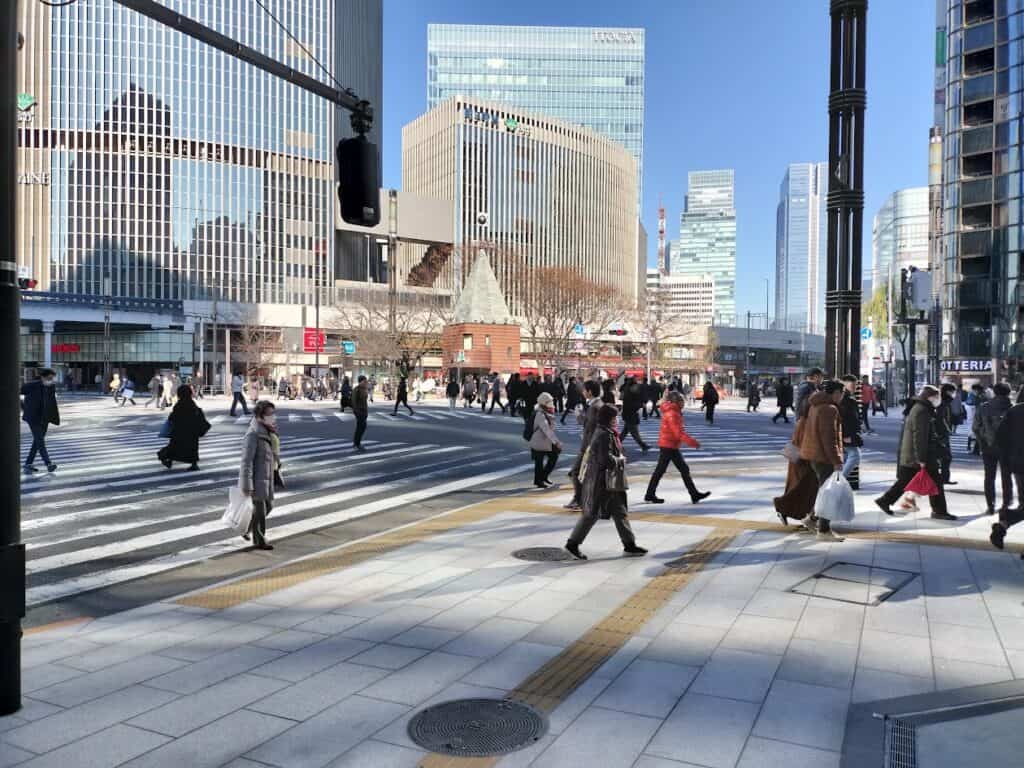
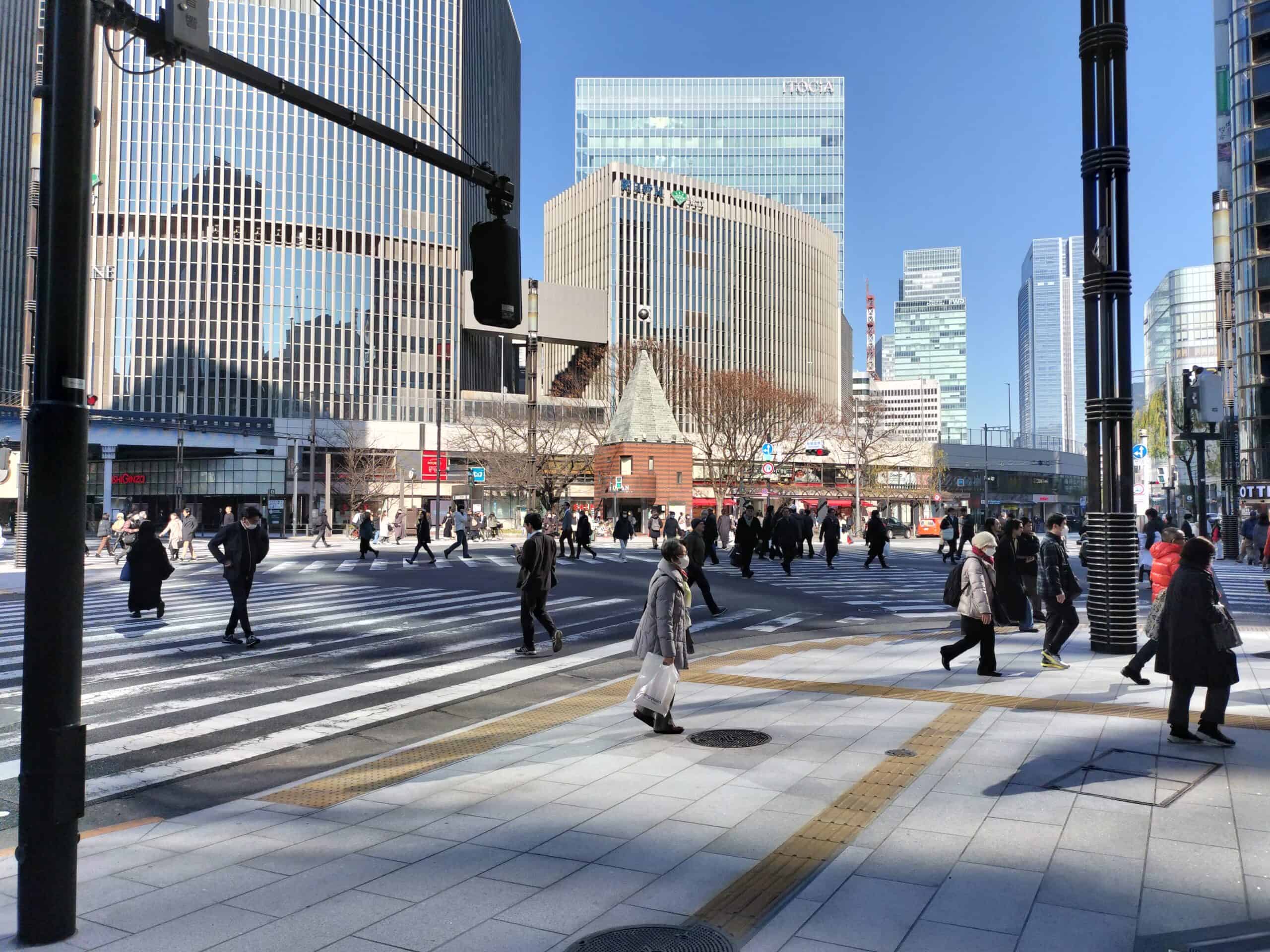
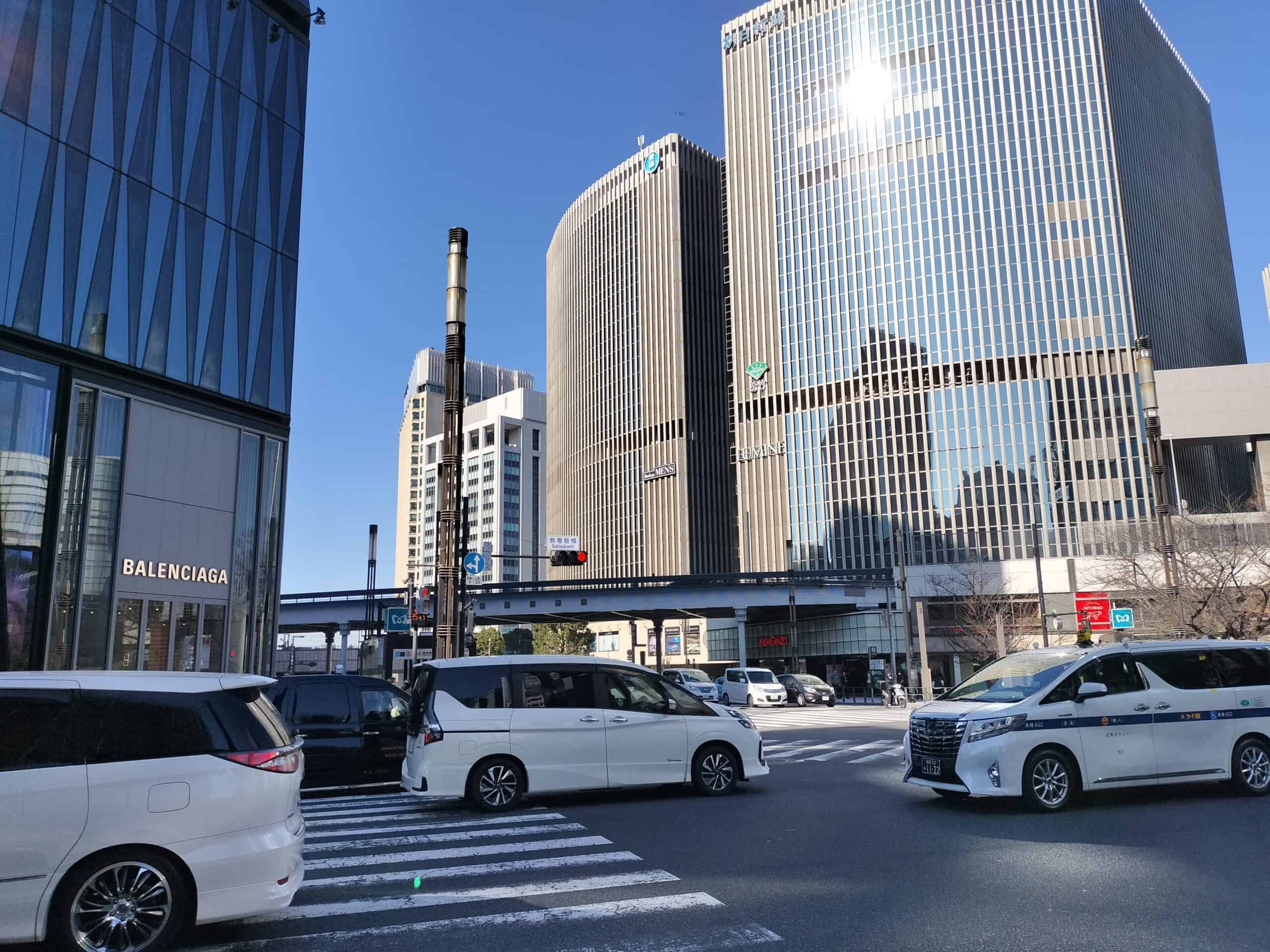
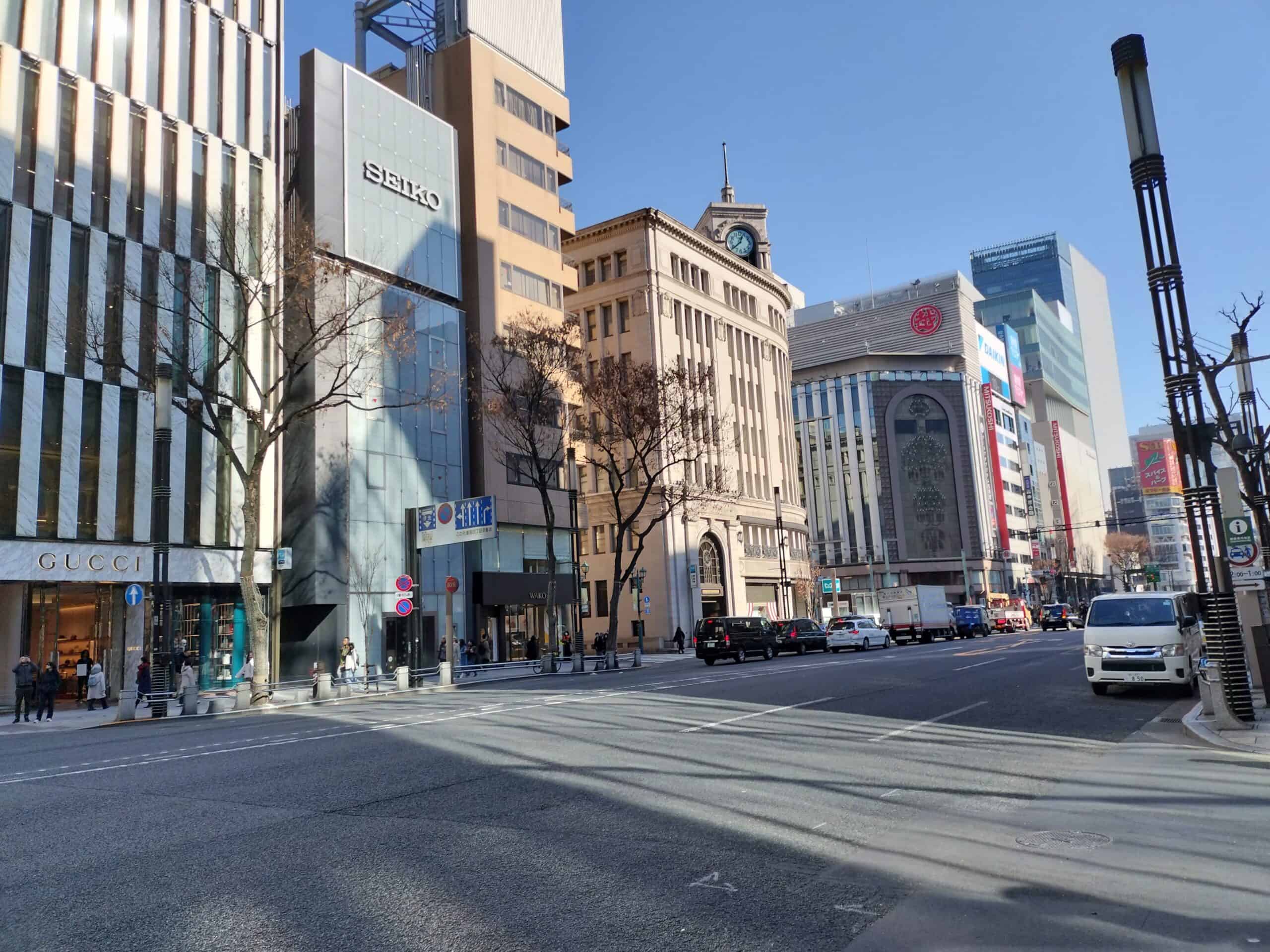
“Ginbura” – the time-honored tradition of strolling Ginza’s broad avenues – costs nothing but offers priceless insights into contemporary Japanese culture. Here, you’ll witness the fascinating pageant of Tokyo life: impeccably dressed Ginza ladies carrying shopping bags from century-old department stores, young fashion enthusiasts showcasing the latest trends, and salary men rushing between meetings in perfectly pressed suits.
Ginbura You Tube Preview (Click here to expand)
Practical Guide
Recommended Route:
- Start from Yurakucho Station
- Head towards Tsukiji along Chuo-dori
- Notable Stops:
- Kotsu Kaikan: International travel goods
- Yamaha Building: More than just instruments; worth visiting for its magnificent music score collection
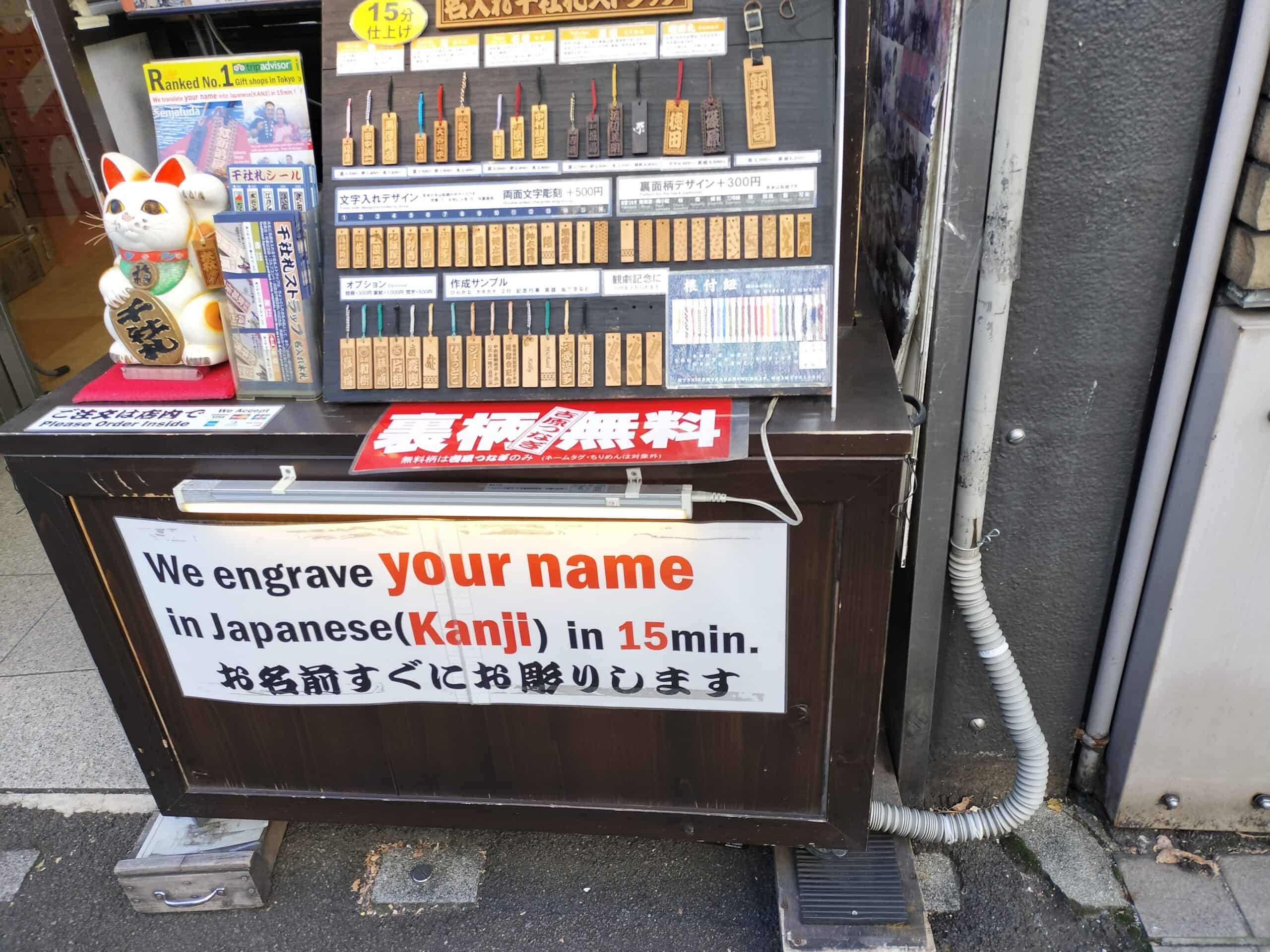
- Manseibridge Stamp Shop: Create your name in Japanese characters (¥1,800)
Shopping Tip
If you’re planning to shop at UNIQLO during your trip, you might want to check out Workman while in Ginza. Originally a workwear brand, they now offer stylish casual wear at significantly lower prices than UNIQLO, and they’re rapidly gaining popularity among young Japanese men and women. It’s worth a quick look! 5F,5-7-10, Chuo-ku, Ginza Tokyo.

💡Know Before You Go: The Truth About Tsukiji
The Story
As you walk from Ginza towards the bay, you will hit Tsukiji. It is famous worldwide as the “Fish Market,” but you need to know the reality before you open your wallet.
👁️ Kajino’s Eye: The “Tourist Tax” Warning
I will be blunt: Do not eat a seafood bowl (Kaisen-don) in Tsukiji. Since the wholesale market moved to Toyosu, Tsukiji has transformed into a theme park for tourists. You will see bowls priced at ¥6,000, ¥8,000, or even ¥15,000 for sea urchin. Remember the lunch you just had in Ginza for ¥1,800? That was likely better quality. Tsukiji prices are inflated because they know tourists will pay it once. Ginza prices are competitive because they serve repeat local customers.
My Advice: Walk through Tsukiji to feel the atmosphere and energy. It is fun to look at. Buy some small snacks like a tamagoyaki (egg omelet) on a stick. But save your main meal money for where the locals eat.
Smart Transit Tips
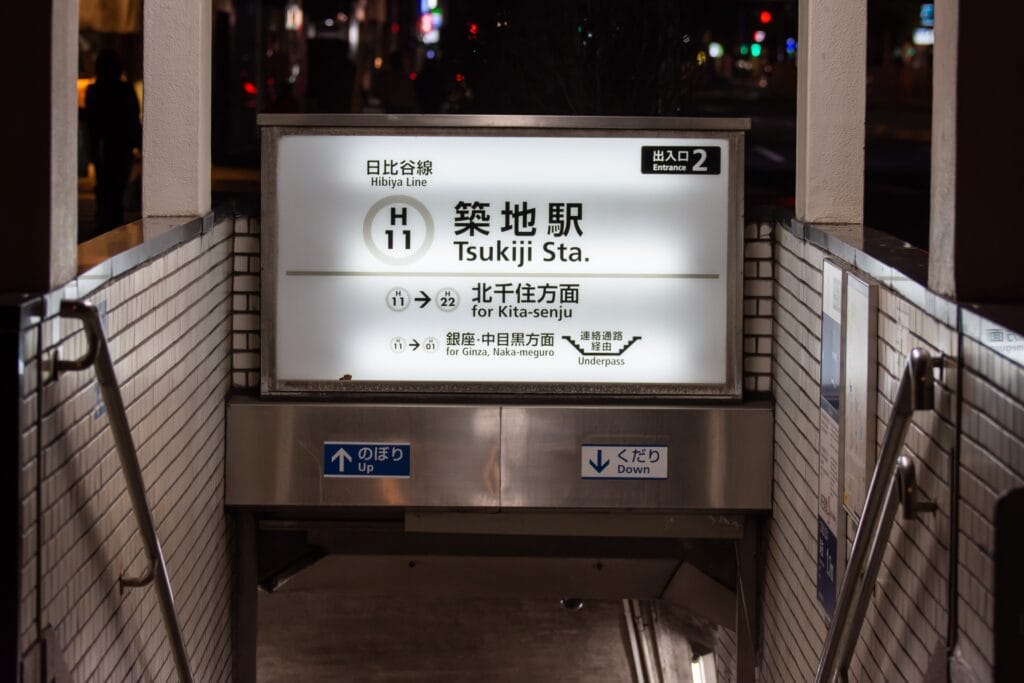
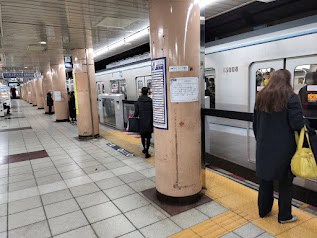
Smart Move: Don’t linger too long. Use the subway to jump to our next destination: Ueno.
Time: Approx. 15 minutes.
Route: Hibiya Line from Tsukiji Station to Naka-Okachimachi Station.
Cost: ¥180.
For our next stop, Takeya, head to Exit 3 at Naka-okachimachi Station (Hibiya Line). It’s only about 50 meters away!
🛍️ Ueno and Okachimachi: Where Tokyo Loosens Its Tie
Ueno and Okachimachi are neighboring stations on the JR Yamanote Line, located so close together—only about 600 meters apart—that you can easily walk from one to the other in under 10 minutes. Spanning this short distance, specifically beneath the elevated train tracks, flows the vibrant, chaotic energy of the Ameyoko market. This area is the gateway to “Deep Tokyo.”
👁️ Kajino’s Eye: The Story
If Ginza is Tokyo’s tuxedo, Ueno is its comfortable pyjamas. As you step off the train, the air changes. It smells of grilled meats, spices, and discount bargains. This is “Shitamachi” (downtown) – the spiritual home of the working class. Here, you don’t need polite bows or whispered conversations. Ueno is loud, messy, and unapologetically real. It’s where history meets hustle, and where bargaining is still considered a sport.
🏢 Takeya: The Brown Building of Wonders
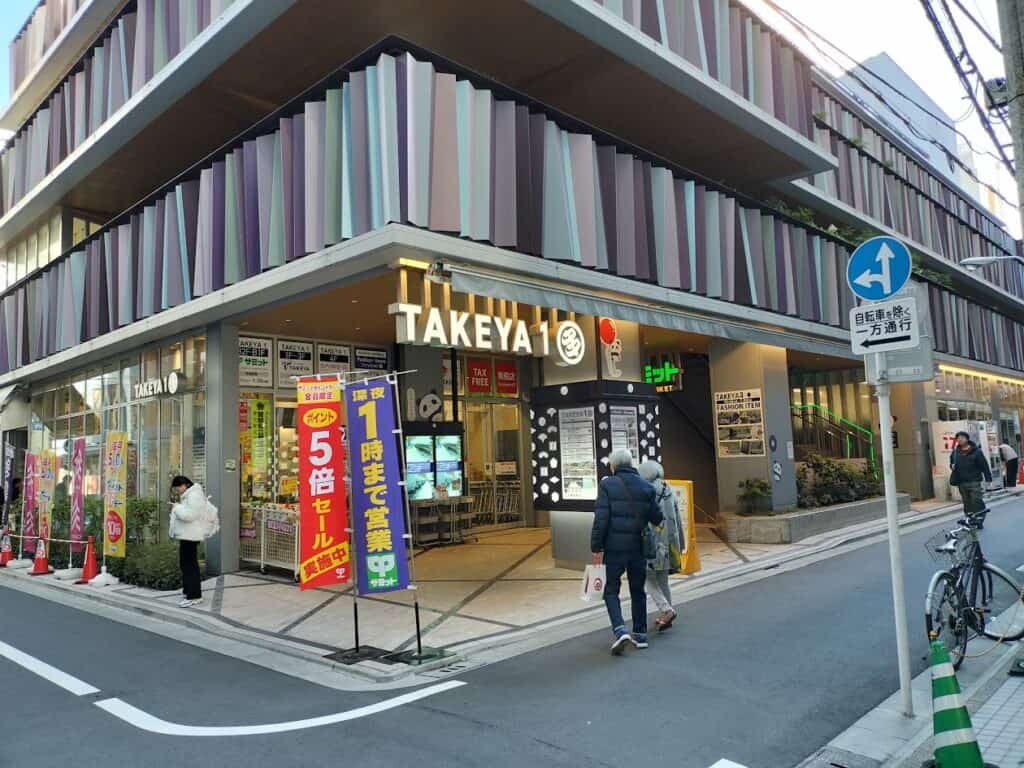
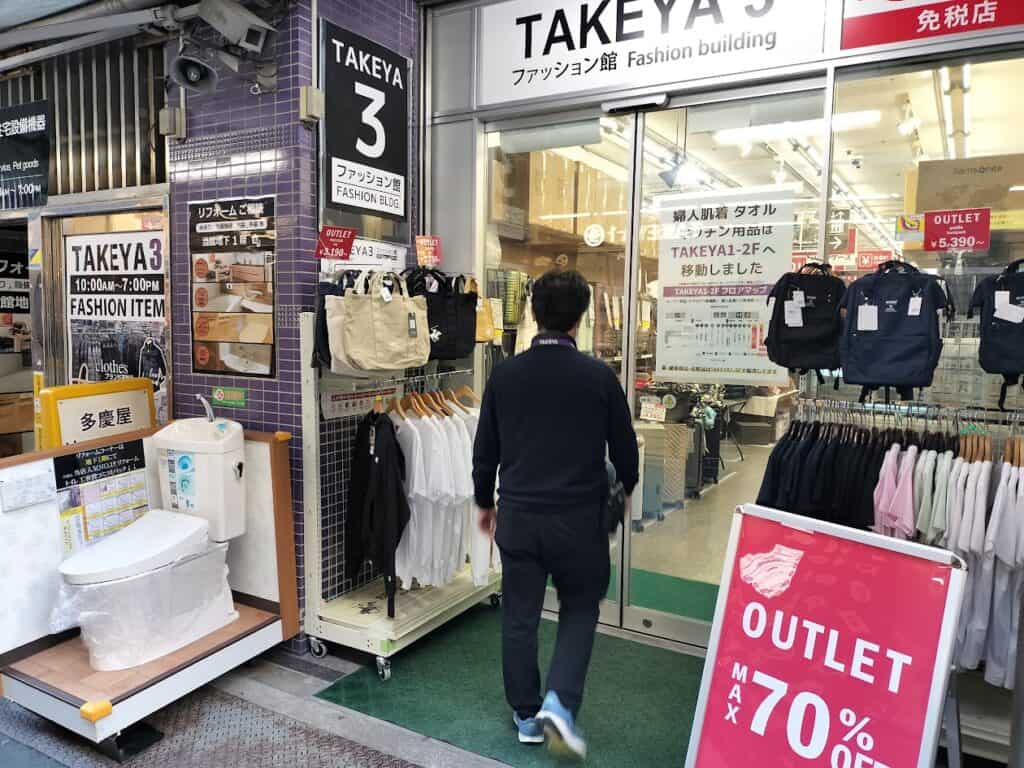
The Story Forget Don Quijote for a moment. For locals, the real discount king is Takeya. Its defining feature? The absurdity of its inventory. In Building 3, you might find a $10,000 Rolex displayed just a few aisles away from a $2 bag of rice crackers. It’s a chaotic retail ecosystem where high-end luxury and daily necessities coexist. While tourists crowd Akihabara for electronics, savvy Tokyoites come here for… well, everything.
- Name: Takeya (多慶屋)
- Location: 1-min walk from Ueno-Okachimachi Station (Exit 3)
- What to buy: Luxury watches (Building 3), Japanese snacks/medicines (Building 1)
- Tip: Look for the red price tags.
- Best Hours: 10:00 AM – 8:00 PM
- Many staff members speak basic English
- Tax-free shopping available
- Look for the red price tags indicating special discounts
- Compare prices with major department stores – some items can be 30-50% less
- Building 1: Main Store Electronics,Housewares,Pharmaceuticals,Daily necessities,Premium brand items
- Building 3: Specialty Store Luxury watches,Travel goods,Designer bags, International brands
Takeya You Tube Preview (Click here to expand)
👉Walking Route from Takeya to Ameyoko Miki’s Candy Store(Click here to expand)
Ameyoko: Where Old Tokyo Still Thrives
🎋The Story
🍬 Ameyoko: The Black Market Legacy
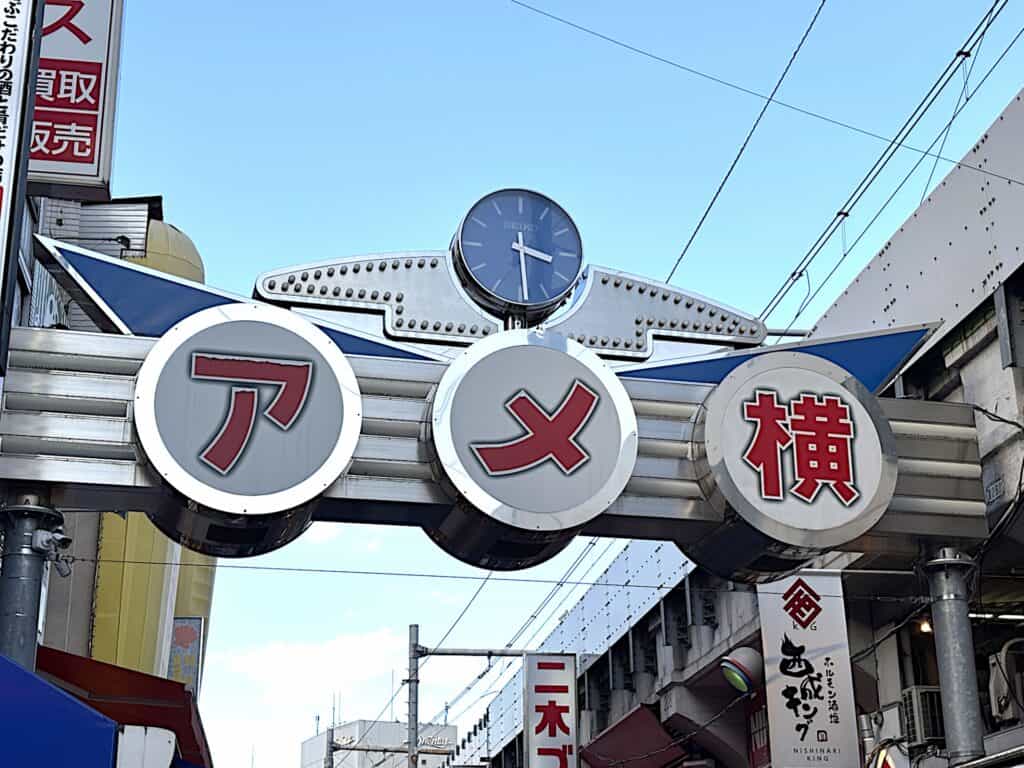
The Story “Ameyoko” pulses with the energy of post-war Tokyo. Originally a black market, today it’s a sensory overload of fishmongers yelling prices and tourists hunting for sneakers. Keep an eye out for Miki’s Candy Store. While airport duty-free shops charge premium prices for “exotic” KitKat flavors, Miki sells them at wholesale prices—often 50% cheaper. It’s the ultimate souvenir hack.
🚬 A Note on Smoking Surprisingly, Ueno is one of the last bastions for smokers in Tokyo. While most of the city has banned indoor smoking, many old-school cafes and izakayas here still allow it. If you hate smoke, choose your restaurant carefully. If you smoke, welcome to paradise.
- Spot: Ameyoko Market (アメ横)
- Must Visit: Niki no Kashi (Miki’s Candy Store) for cheap snacks.
- Best Time: 2:00 PM – 4:00 PM (Avoids the lunch rush).
You Tube Preview(Click here to expand)
🚇Walking Route from Miki’s Candy Store to Subway Entrance to Asakusa (Ginza-Line)
🎋Asakusa: Where Ancient Tokyo Greets Modern Visitors
The Story
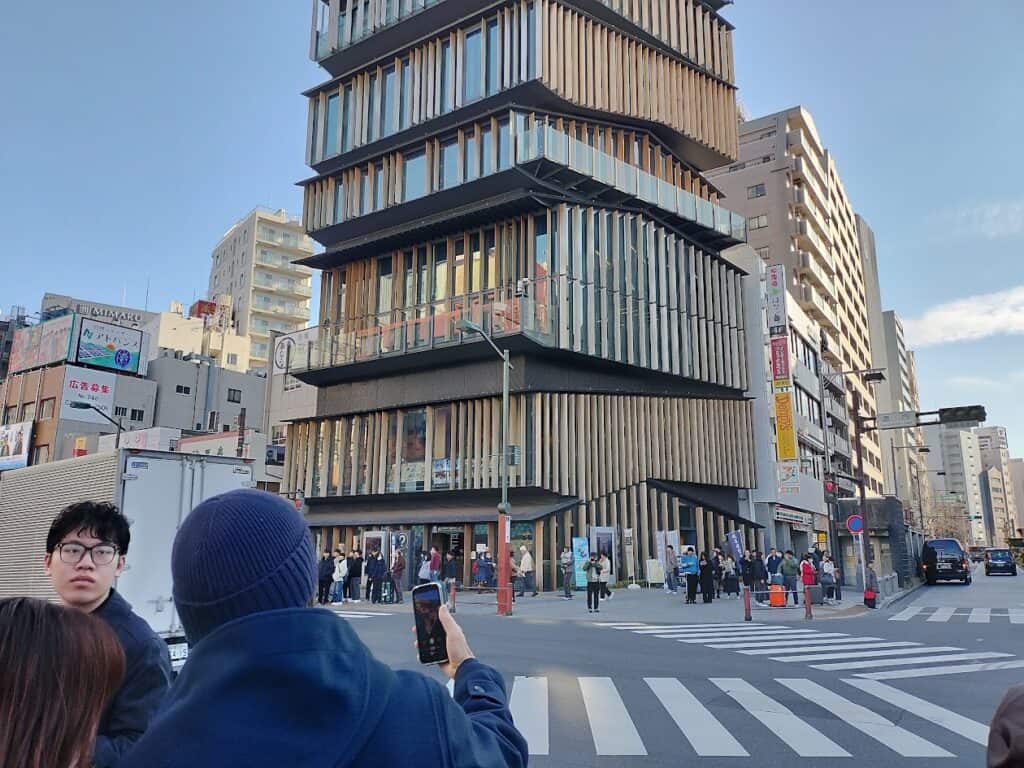
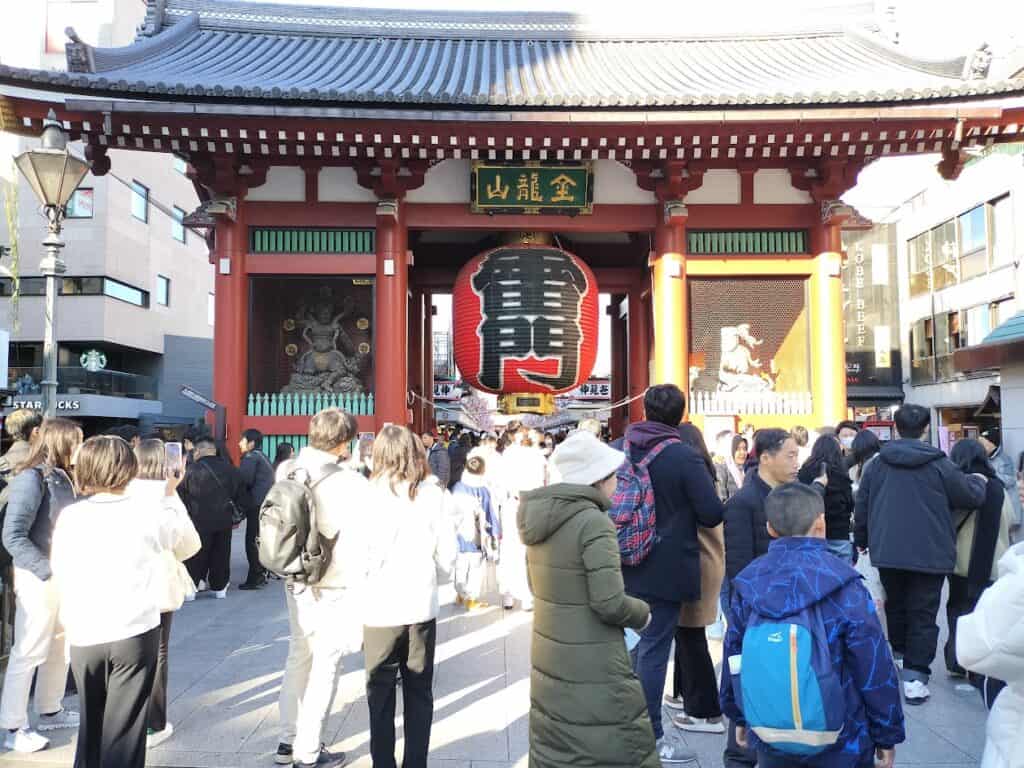
Asakusa is the grand finale of our tour. To navigate this area like a pro, start at Kaminarimon (Thunder Gate) for the obligatory photo. Before passing through, look across the street at the Asakusa Culture Tourist Information Center. The 8th-free observation deck offers a unique “bird’s-eye view” of the Nakamise shopping street stretching straight to the temple, as well as a clear view of the Tokyo Skytree.
- Tourist Information Center Standing at 11 o’clock when facing away from Kaminarimon, this modern facility offers more than just maps.
- The English-speaking staff aren’t typical tourist information agents – they’re passionate cultural ambassadors eager to share Asakusa’s rich history.
- The 8th-free observation deck offers a unique “bird’s-eye view” of the Nakamise shopping street stretching straight to the temple, as well as a clear view of the Tokyo Skytree.
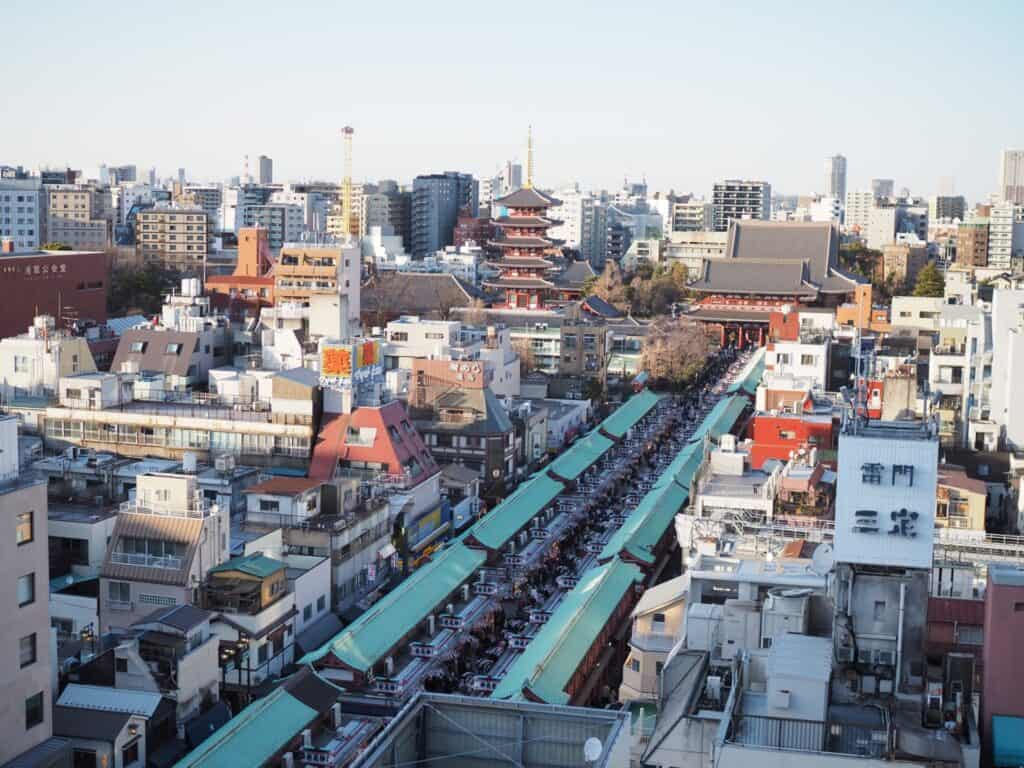
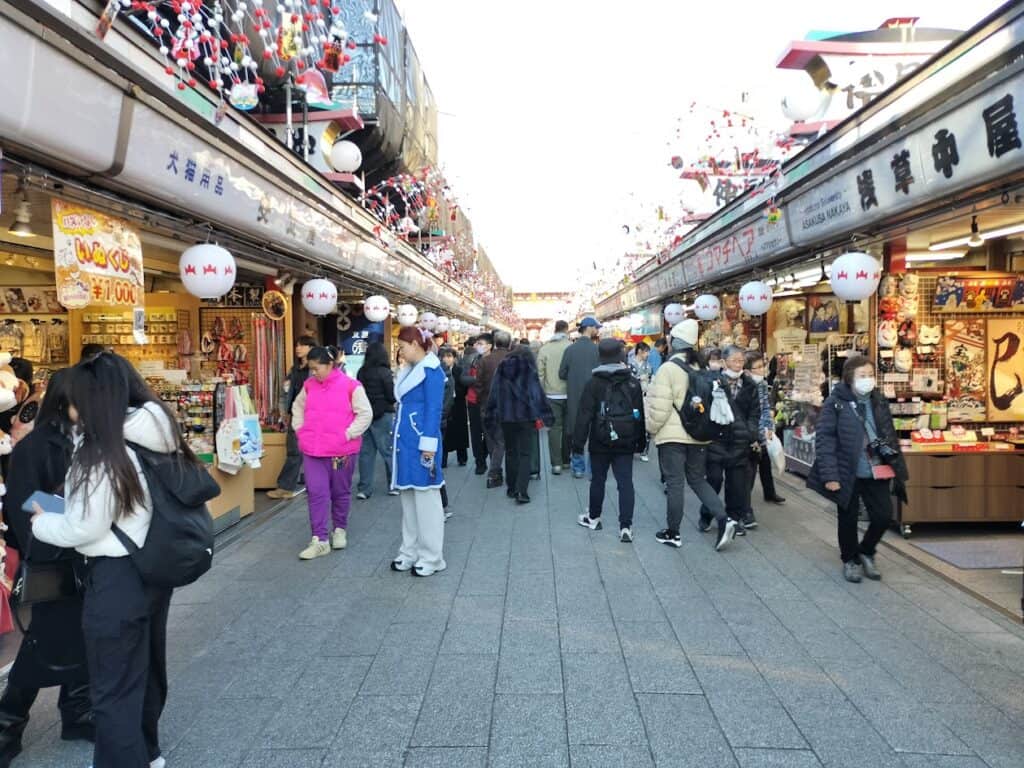
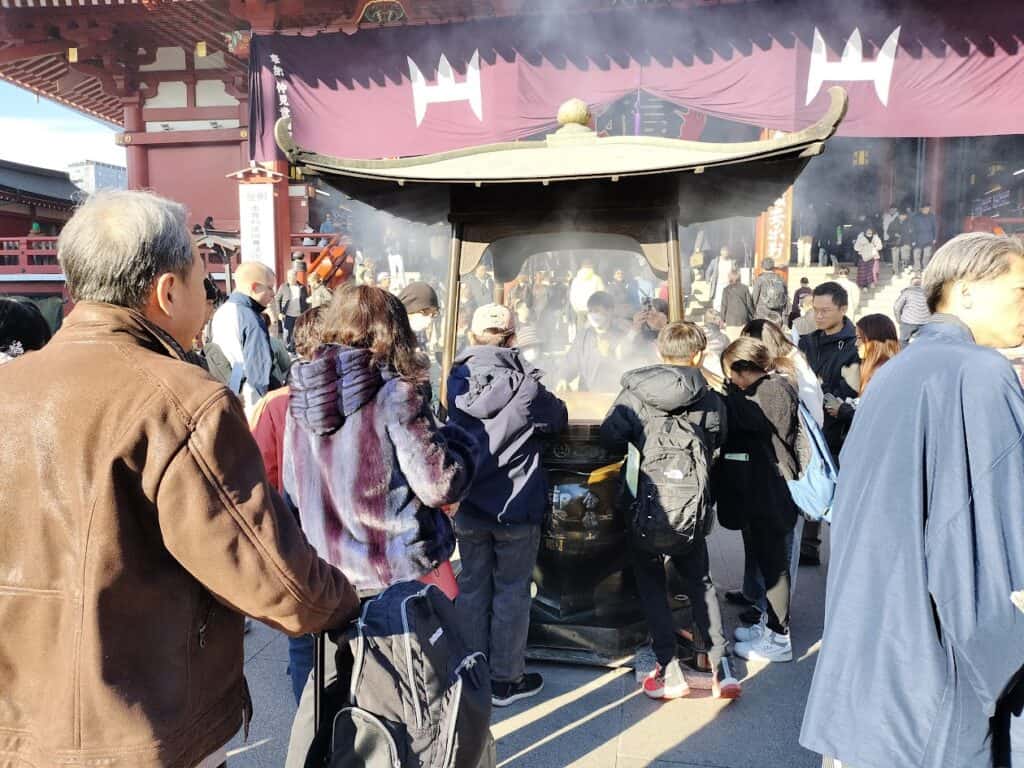
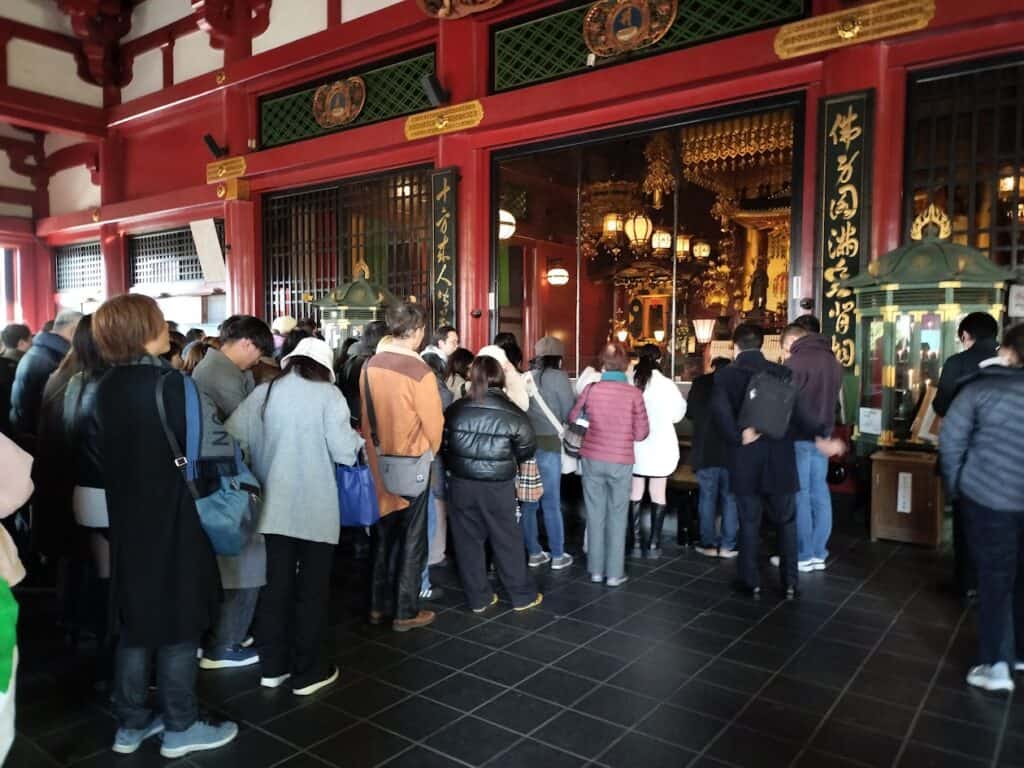
Once you pass the Thunder Gate, walk down Nakamise Street. While the souvenirs here are beautiful, they are often priced for tourists (you can find similar items cheaper at Takeya or Ameyoko), so window shopping is recommended. At the end of the street, you will find the main incense burner. Legend says that wafting the smoke onto your body heals ailments. Finally, approach the Sensoji Main Hall to offer a bow and perhaps toss a coin.
👣Walking Route from Asakusa Station to Thunder Gate(Click here to expand)
👁️ Kajino’s Eye: The Soul of the Old Downtown
Most guidebooks tell you to visit Asakusa for the Sensoji Temple. They aren’t wrong, but they are missing the point. As someone who was born and raised just a 3-minute walk from where the Don Quijote now stands, I can tell you the real soul of Asakusa lies in its stomach and its craftsmanship.
This district was the birthplace of Tokyo’s entertainment culture, and with it, Yoshoku (Western-influenced Japanese cuisine). Just as Japanese cars took Western technology and refined it, Asakusa’s chefs took Western dishes and transformed them into something uniquely Japanese.
Historically, Asakusa was also the town of leather shoes. You can still find shops selling high-quality, stylish shoes at reasonable prices, though many have recently been converted into Izakayas (pubs) to cater to the foreign tourism boom. If you spot a remaining shoe shop, take a look—it’s a fragment of the real Asakusa history.
After the temple, explore the “Cinema Street” (Rokku) area. This was Tokyo’s top entertainment district before Shinjuku or Shibuya took the crown, and it still holds that old-school flavor. Head toward the Don Quijote Asakusa store area—incidentally, my parents’ house is just a 3-minute walk from here! Nearby is the Tsukuba Express station, which takes you straight to Akihabara.
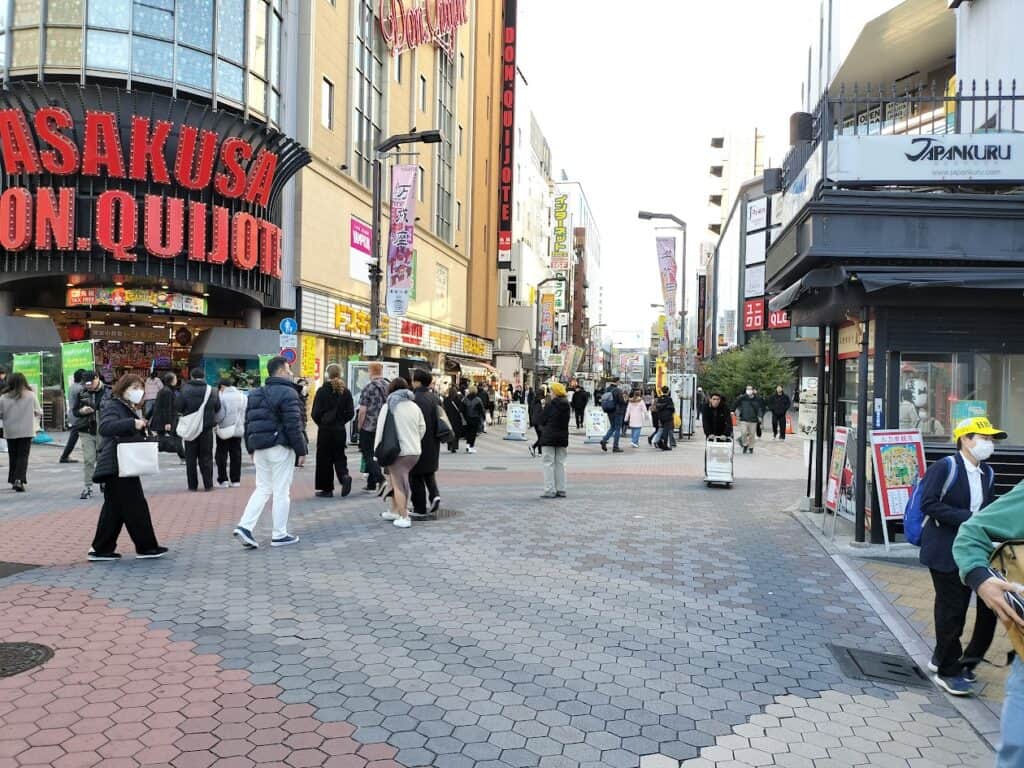
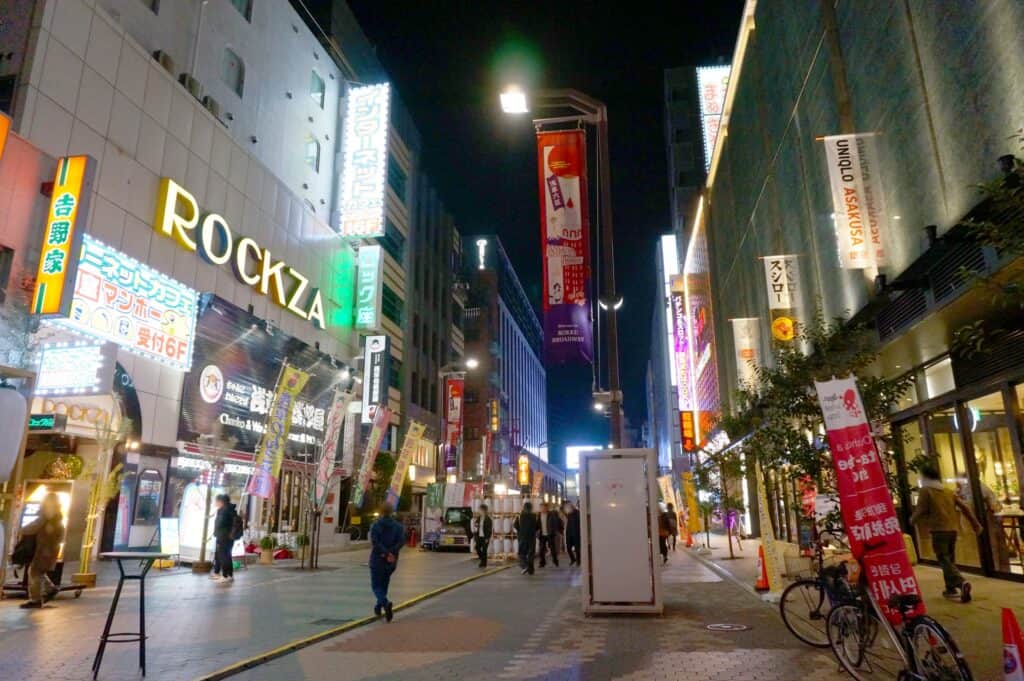
🚶♂️Walking Route from Senso-ji to Don Quijote Asakusa store(Click here to expand)
The Yoshoku Experience: Yoshikami
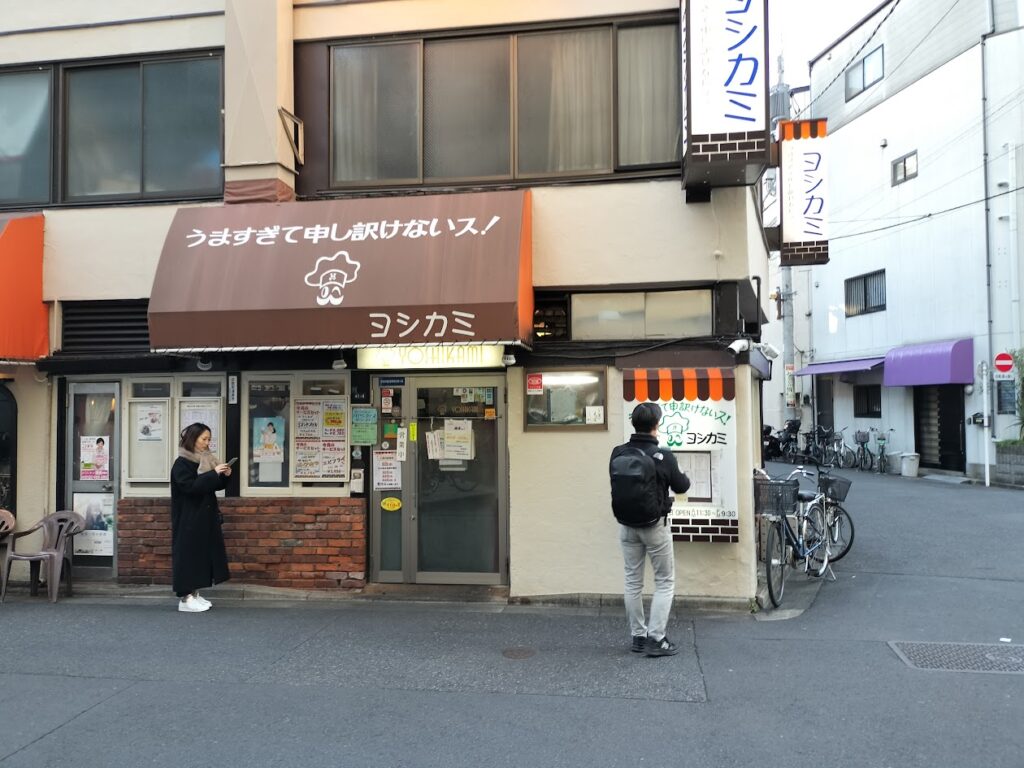
- The district’s greatest cultural contribution might be its role in the evolution of yoshoku – Western-inspired Japanese cuisine. While Ginza’s yoshoku restaurants cater to expense accounts, Asakusa’s establishments have maintained their working-class roots while perfecting their craft over generations. This is where Western cuisine was first adapted to Japanese tastes, creating beloved dishes like omurice, hamburger steak, and korokke that are now cornerstones of modern Japanese dining.
- If you arrive before 5 PM, make a beeline for Yoshikami – a living piece of culinary history. Their weekday ¥2,100 set meals (¥3,700 on weekends) offer a masterclass in yoshoku cuisine.
Evening Dining Options
Unlike our budget-conscious lunch in Ginza, Asakusa’s evening dining scene deserves a bit of splurging – though still at reasonable prices. The district offers Tokyo’s finest traditional cuisine, from sushi to tempura, in settings that haven’t changed for generations.
[Learn more about Asakusa restaurants and Izakaya]
More Guides for You:
All-You-Can-Eat & Drink in Ueno
Ueno’s Best Budget Dining Guide
Ueno’s Culinary Treasures: High-End Dining at Moderate Prices
20252/20