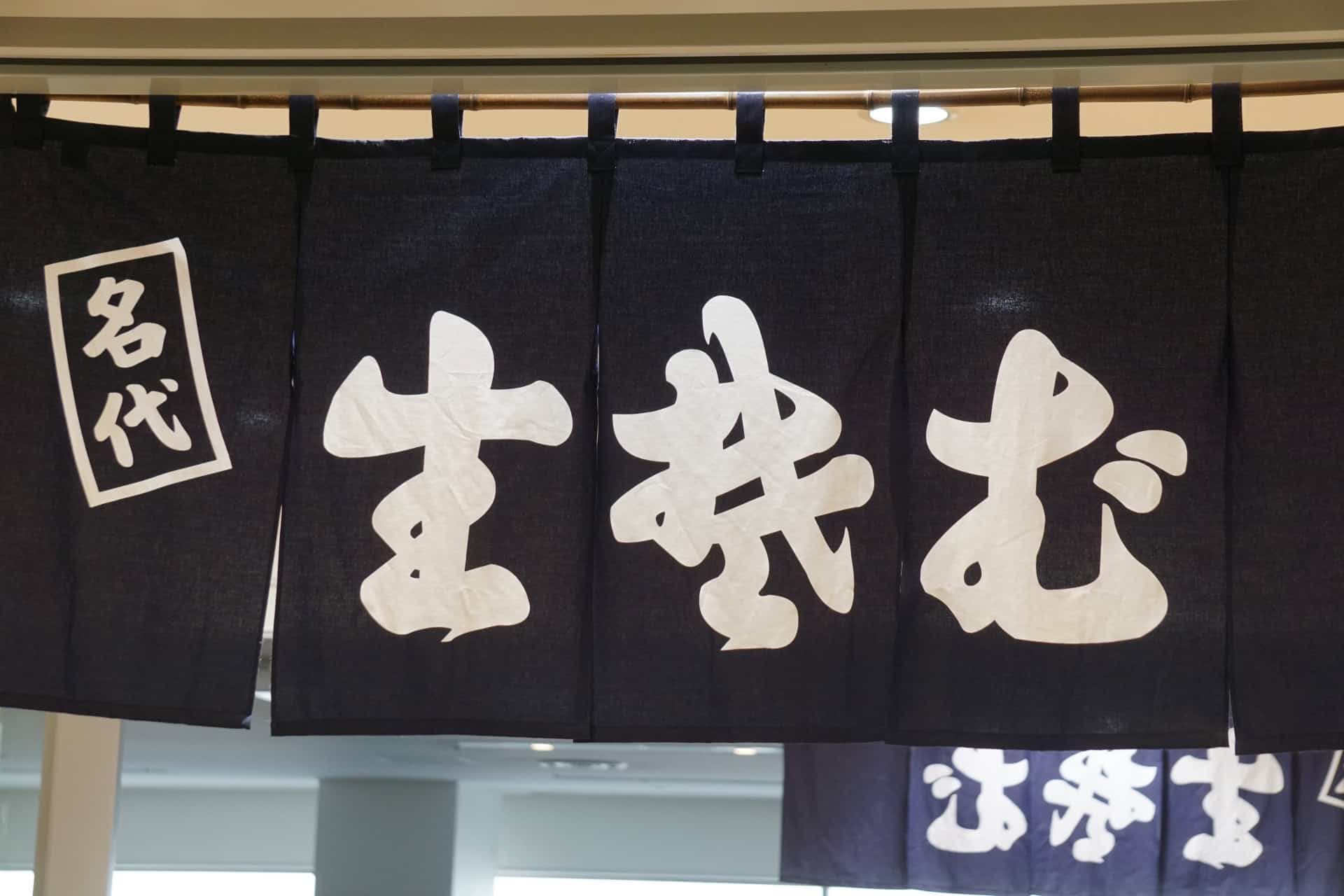
What is “Nadai Fuji Soba”?
If you walk out of almost any major train station in Tokyo (especially on the Yamanote Line) and hear the slurping of noodles accompanied by the smell of dashi broth, you are likely near a Fuji Soba.
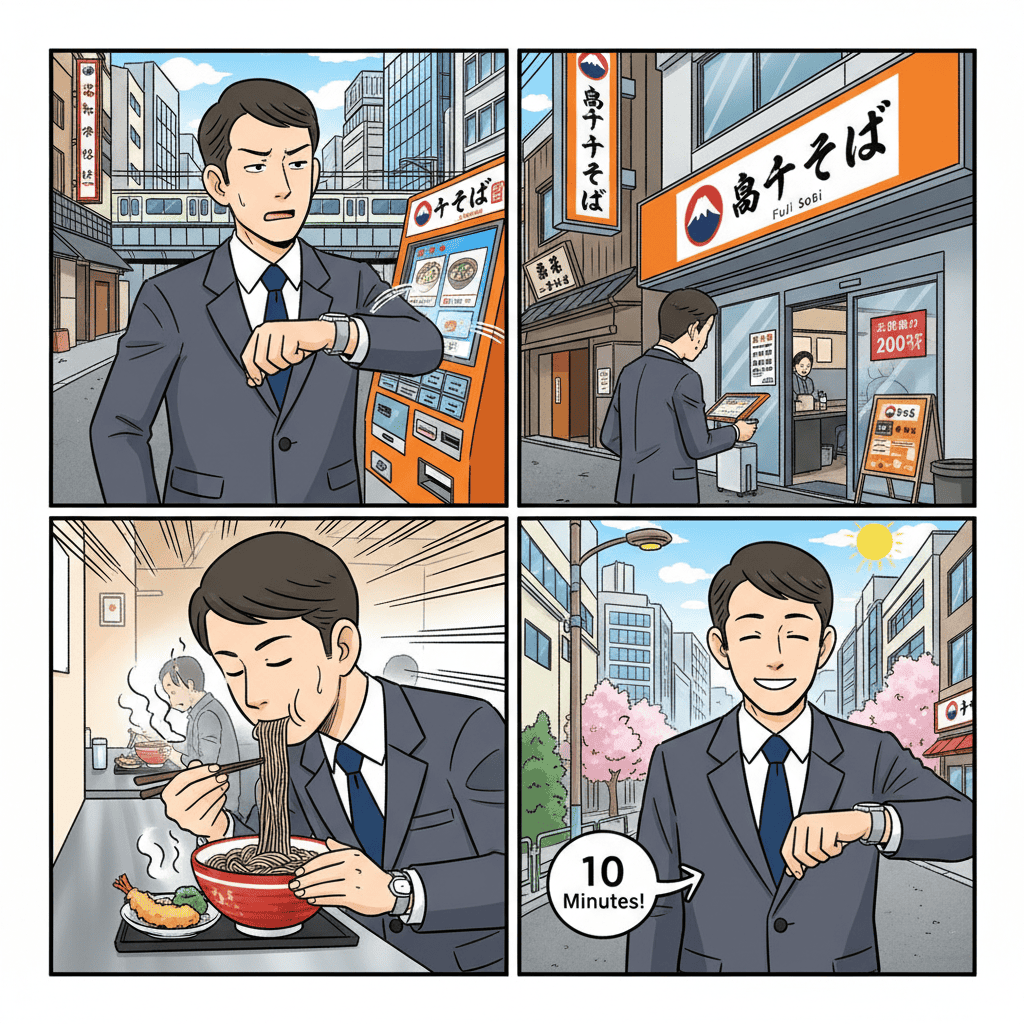
Known as the king of Tachigui (stand-up dining), Fuji Soba is the lifeblood of busy Tokyoites. It embodies three principles: Fast, Cheap, and Delicious. From entering the shop to finishing your meal and leaving, the entire process takes about 8 to 15 minutes. While it is famous as a “stand-up” noodle shop, many locations (like the popular Akihabara branch) now provide seats, making it accessible for travelers.
Operating Hours & Budget
- Hours: Most locations are Open 24 Hours.
- Note: Some branches may close for a few hours late at night for cleaning.
- Budget: ¥430 – ¥900 per person.
- Cash Only: Be prepared with yen notes and coins.
The Menu: More Than Just Soba
While “Soba” (buckwheat noodles) is in the name, the menu is extensive. You can choose between Soba or Udon (thick wheat noodles) for almost any noodle dish.
- Mori Style: Cold noodles served on a tray with dipping sauce.
- Kake Style: Hot noodles served in hot broth (Ramen style).
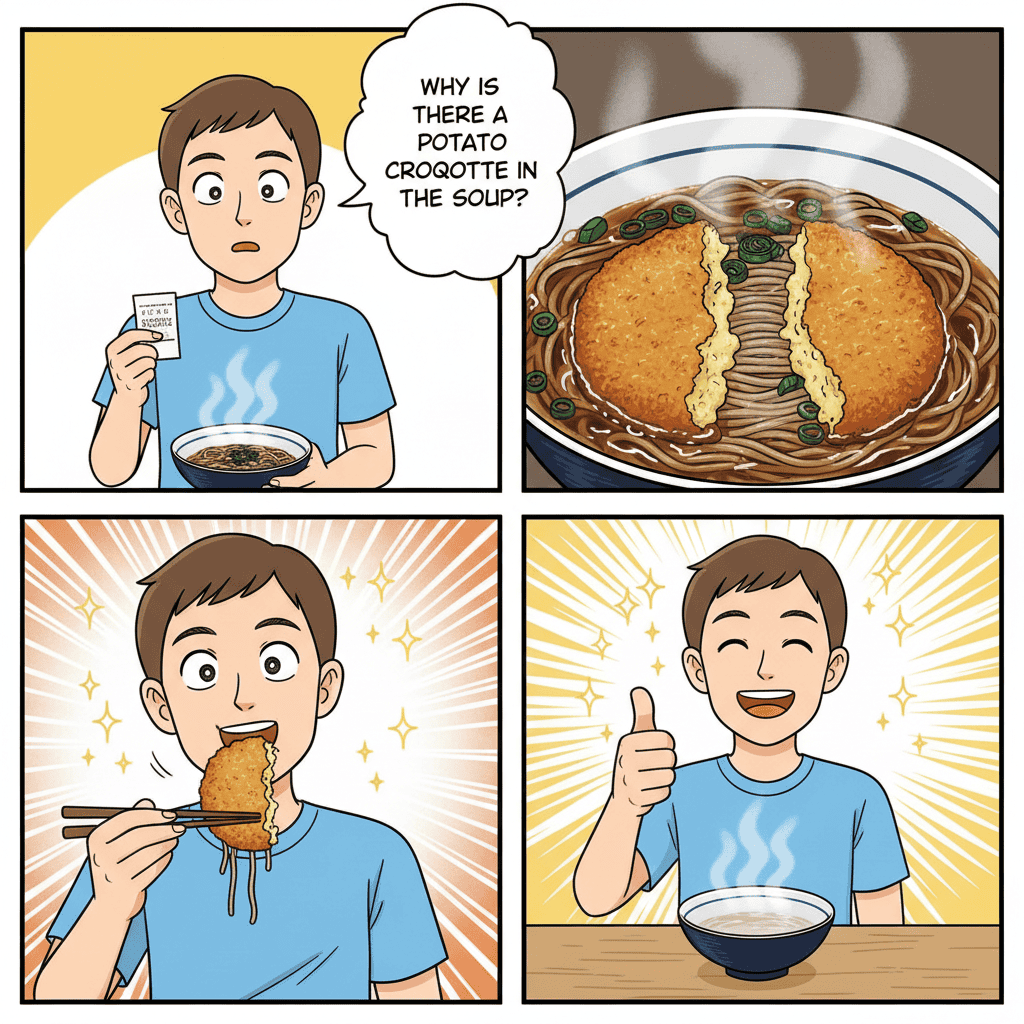
- Toppings: Tempura, Croquette (a cult favorite!), Wakame seaweed, Wild vegetables (Sansai), and Meat.
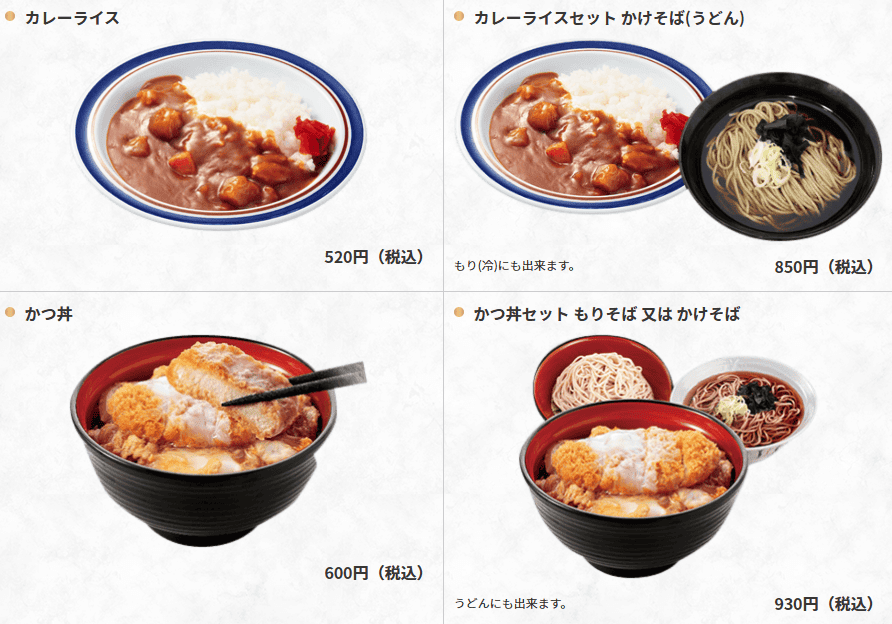
- Rice Bowls: Their Katsudon (Pork Cutlet Bowl) and Curry Rice are surprisingly famous and rival specialized shops.
🌅 The Best Value: Morning Soba (Asa-Soba)
If you want the ultimate budget breakfast, visit between 5:00 AM and 10:00 AM.
- Price: ¥450
- Menu: Morning Kitsune (Sweet Fried Tofu) or Morning Tanuki (Tempura bits).
- Includes: The noodle bowl + Onsen Egg (soft boiled) + Wakame seaweed.
- Available every day, including weekends and holidays.
How to Order: The “Ticket System”
Ordering can be intimidating because it is fast-paced, but the ticket machines are multilingual.
- Select & Pay: Choose your language on the screen. Insert cash. Select your item. Take the ticket.
- Hand Over Ticket: Go to the counter and hand the ticket to the staff.
- Crucial Step: The staff will likely ask “Soba or Udon?” (Soba or Udon?) and sometimes “Hot or Cold?”. State your preference clearly.
- Wait: Pour yourself a glass of water (self-service) and wait for your number to be called or displayed on the monitor.
- Eat & Return: Pick up your tray, enjoy your meal (slurping is encouraged!), and when finished, return your tray to the return shelf yourself.
Preview
💡 Fuji Soba Trivia & Secrets
1. The “Soggy Noodle” Innovation
Fuji Soba put massive effort into delivery services like Uber Eats. To solve the problem of noodles getting soggy during the 30-minute delivery window, they developed a system to separate the noodles and the broth. Customers combine them and heat them in the microwave for a “near-perfect” fresh taste.
2. The “Soft Tempura” Misunderstanding
Fuji Soba sometimes receives complaints from delivery customers saying the tempura is “too soft” or “not hot enough.” Here is the secret: Fuji Soba’s tempura is designed to be soaked in the hot broth. It is meant to be soft and fluffy, not crispy like high-end tempura. It absorbs the dashi flavor, creating a delicious harmony.
3. Every Shop is Slightly Different
Unlike other strict chains, Fuji Soba allows variations.
- Noodles: They source noodles from two different manufacturers (Kowa and Kishuya) to avoid supply risks.
- Broth: They use an automated “Draft Broth Server” (like a beer tap!) that mixes soy sauce (kaeshi) and dashi instantly to ensure freshness and consistency.
- Akihabara Style: The Akihabara Electric Town branch sees 300 foreign tourists a day!
- Foreigner Favorites: 1. Katsudon, 2. Meat Soba, 3. Tempura Soba.
- Japanese Favorites: 1. Tempura Soba, 2. Katsudon, 3. Croquette Soba.
Top 10 Popular Menu Items
(Based on 407 votes from Minna no Ranking)
- Katsudon & Kake Soba Set (The King of volume!)
- Croquette Soba (A unique Tokyo experience—potato croquette soaking in broth)
- Niku Fuji Udon (Meat Udon)
- Katsudon (Single bowl)
- Tempura Egg Soba (Tempura + Raw or Onsen Egg)
- Kake Soba (Plain hot soba)
- Curry Rice (Nostalgic, thick Japanese curry)
- Wakame Soba (Seaweed Soba)
- Mori Soba (Basic cold dipping soba)
- Tempura Soba (Classic Kakiage tempura)