Missed Part 1? Start from Kyoto here.
# Night Bus Adventure Part 2: Nara’s Sacred Deer, Great Buddha & Osaka Soul Food **Welcome back to the “Night Bus Adventure” series!** In **[Part 1 bellow] **, we conquered the night bus from Tokyo, cycled through the ancient streets of Kyoto, and enjoyed the vibrant nightlife of Osaka. But the journey isn’t over yet. **Day 3 is dedicated to Nara.** Nara is Japan’s first permanent capital, predating even Kyoto. It is a place where history breathes, and wild nature coexists with ancient temples. Today, we will travel back 1,400 years to meet the Great Buddha, interact with sacred bowing deer, and finish our trip with Osaka’s ultimate soul food before catching the night bus home. Let’s dive into the final chapter of this budget luxury trip!
🍜 Day 3: Nara Historical Journey
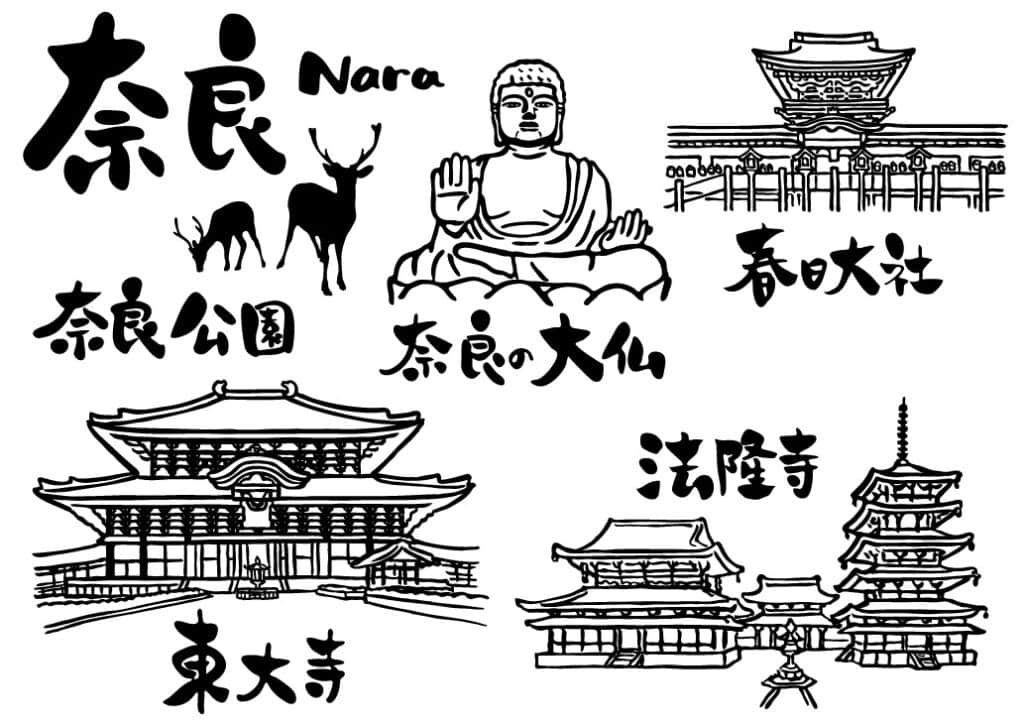
Great Buddha • Sacred Deer • Ancient Temples 🦌
Day 3 is a journey to Nara, the ancient capital that predates even Kyoto. For those who want to touch the spiritual heart of Japan, this is the place.
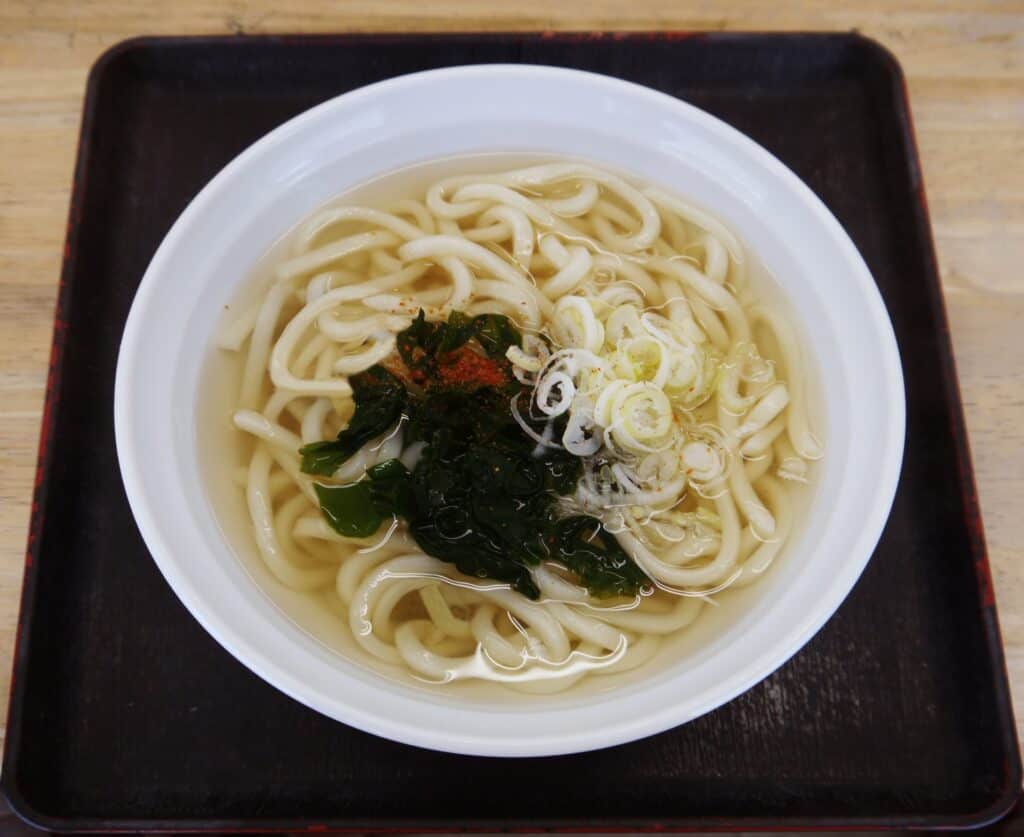
🍜 Breakfast: The Great “Udon” Culture Shock
Before heading to Nara, start with a classic standing udon breakfast at the station. But be warned, if you are coming from Tokyo, you might be surprised.
💡 Kajino’s Insight: The Broth Divide If you are from Tokyo or Eastern Japan, you are used to udon broth being dark brown (soy sauce base). But here in Kansai, the broth is transparent and golden! When I first saw this, I was shocked. “Is there any flavor?” I thought. But one sip changed everything. It is rich in kombu (kelp) dashi and has a sophisticated, deep umami. It is completely different from Tokyo style, and absolutely delicious.
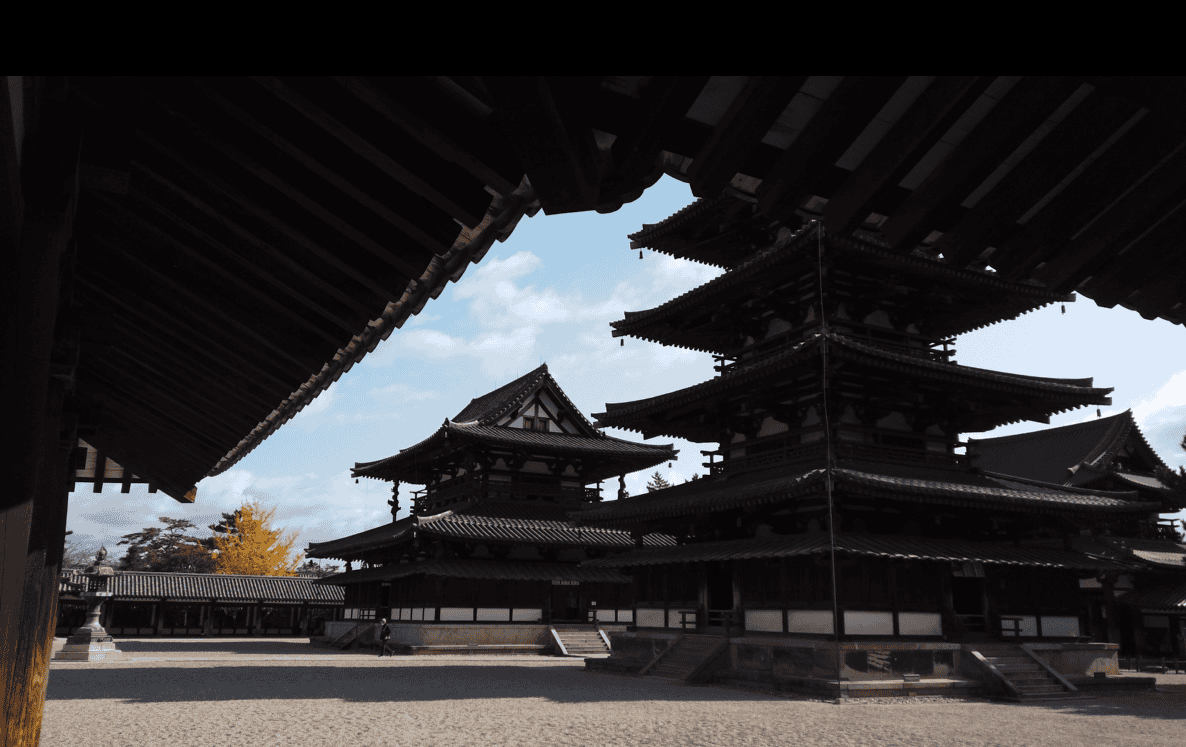
🏛️ Morning: Horyu-ji Temple (10:00 AM)
Our first stop is Horyu-ji, a World Heritage site founded over 1,400 years ago by Prince Shotoku.
- Why it’s special: It contains the world’s oldest surviving wooden structures.
- Access: JR Namba Station → Horyu-ji Station (40 min, JR Yamatoji Line).
- Getting to the Temple: It is a 20-minute walk from the station. I highly recommend renting a bicycle at the station to save energy.
🧐 Kajino’s Confession: Defeated by History I was born and raised in Asakusa, Tokyo. I always believed, “Senso-ji Temple in Asakusa is the best and oldest!” I honestly looked down on other temples. But standing in front of Horyu-ji… I felt completely “defeated.” The overwhelming dignity of 1,400 years of history left me speechless. Senso-ji is great, but this is on another level. It is a once-in-a-lifetime encounter with ancient history. You must see this.
(Insert Photo: Horyu-ji Temple) 📍 [Map: Horyuji Station to Horyuji]
🍱 Lunch: Authentic Nara Cuisine
Since you are in Nara, skip the fast food and try local specialties near Nara Station. Nara food is known for being healthy and gentle, contrasting with Osaka’s heavy flavors or Kyoto’s visual elegance.
- Must-try dishes: Kakinoha-zushi (sushi wrapped in persimmon leaves), Miwa Somen (ultra-thin noodles), and Chagayu (tea porridge).
- Where to eat: Mochidono Center-gai, an arcade street near the station with many traditional restaurants.
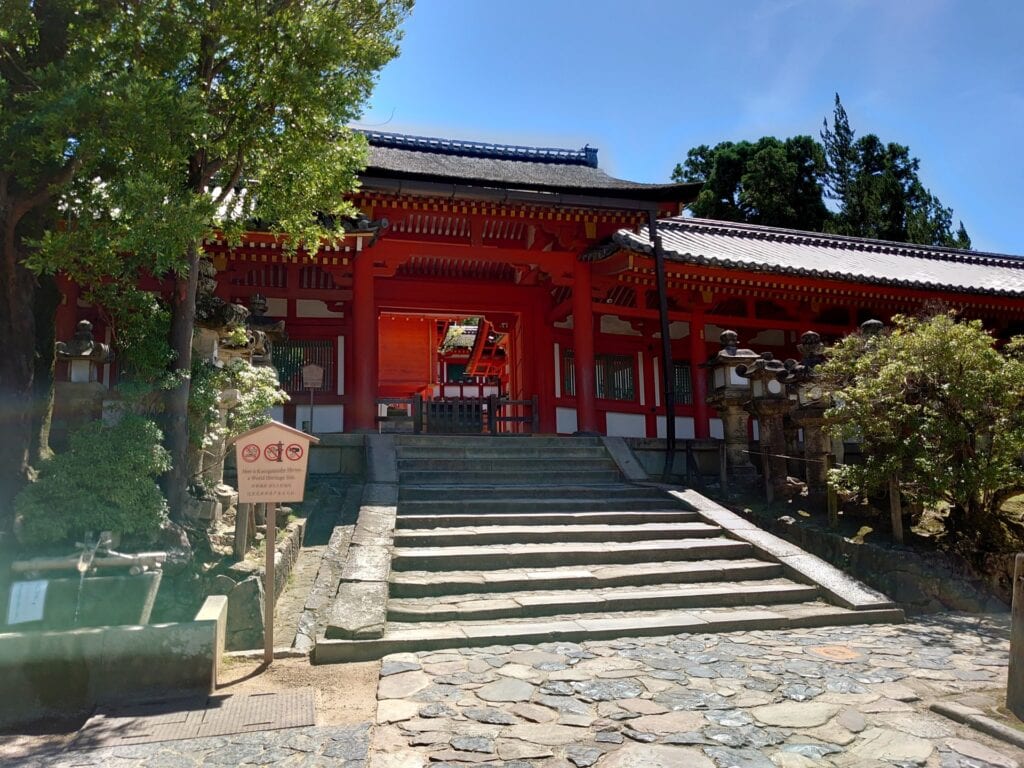
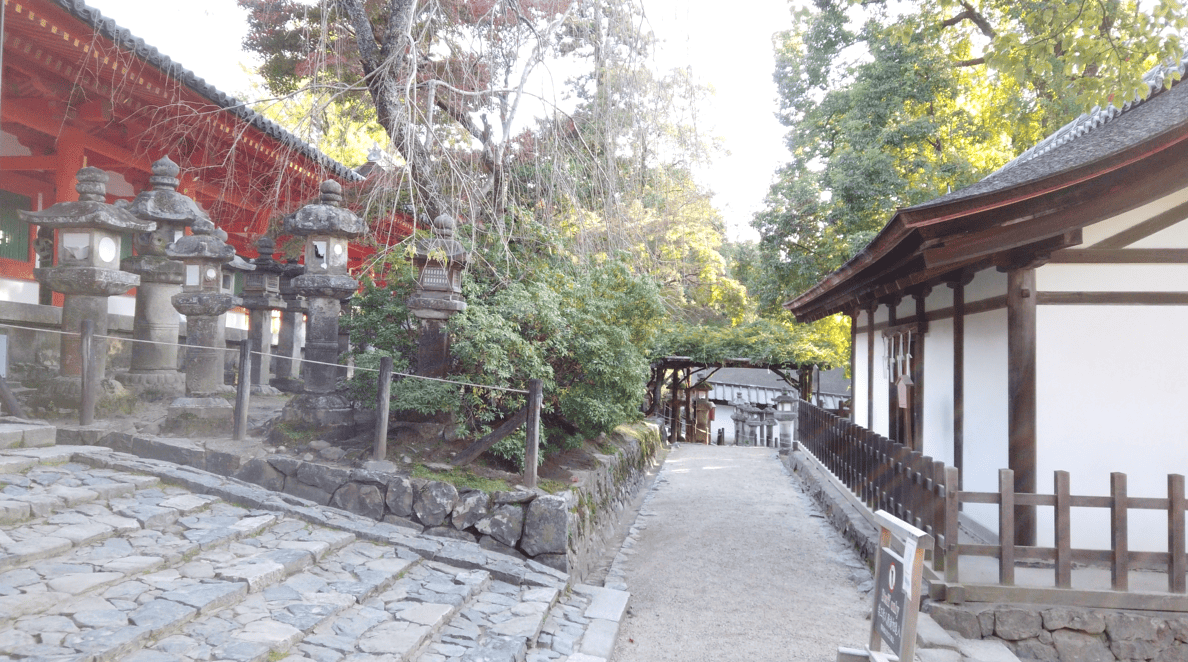
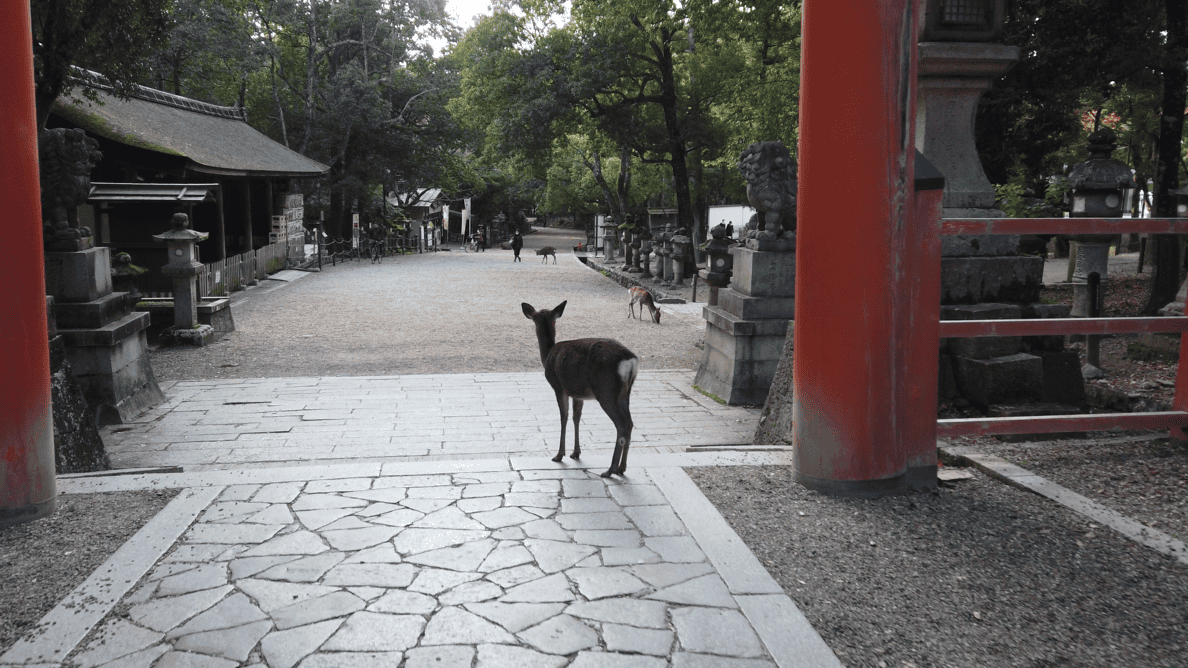
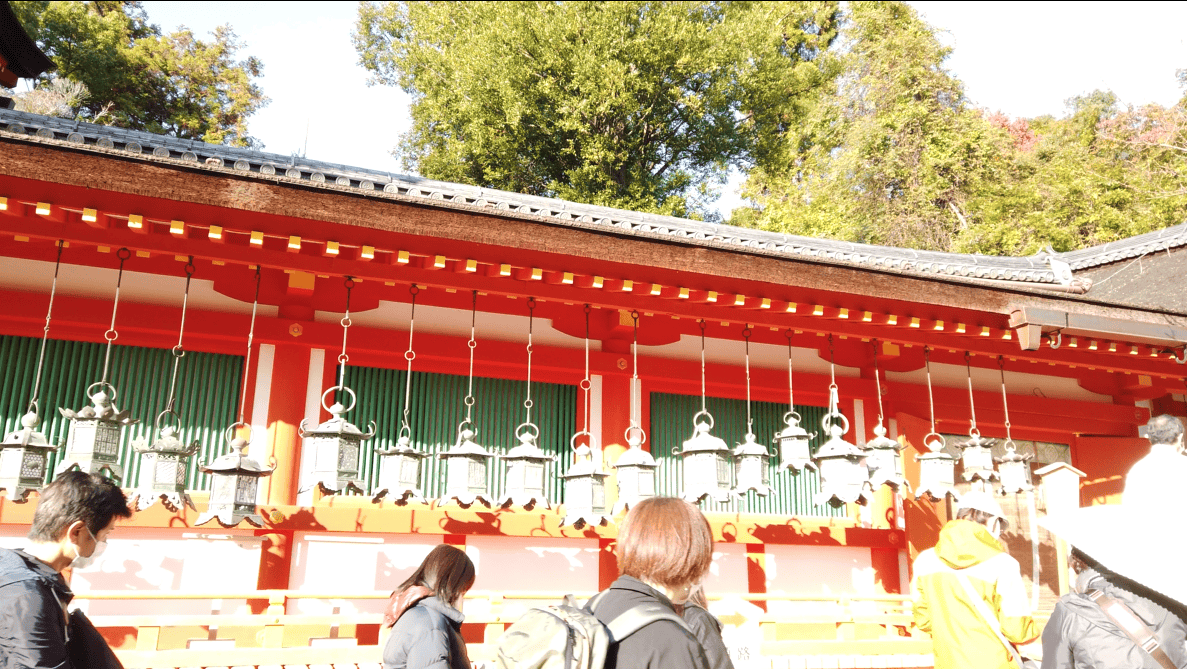
🦌 Afternoon: The Sacred Trinity (Todai-ji, Kasuga Taisha & Deer)
💡 Kajino’s Logistics Guide: How to Navigate Efficiently
Nara Prefecture has many historical sites (like ancient burial mounds) spread across a vast area, often taking a whole day to see just one. However, the core highlights—The Great Buddha, Kasuga Taisha Shrine, and the Deer Park—are compactly located in one area. You can efficiently see them all in 3–4 hours.
My Recommended Route (The “Save Your Legs” Strategy): Walking the entire route from the station can be exhausting. Here is the route I actually took:
- Go: Taxi or Bus from JR Nara Station to Todai-ji Temple (2.7km).
- Taxi Tip: Just say “Todai-ji” to the driver. It costs about ¥1,000. It’s faster and easier than the bus.
- Walk: Todai-ji → Kasuga Taisha Shrine (1.1km). Enjoy the deer along the way.
- Return: Kasuga Taisha → Nara Station (2.7km).
- Pro Tip: Instead of walking back, I used a “Mini-Taxi” (Golf Cart) circulating in Nara Park. It cost only ¥500! I told the driver “Nara Eki Chikaku” (Near Nara Station), and he took me to the park exit near the station.
🚲 Option B: Rental Bicycle If you prefer cycling, there is a rental shop called Yamato Kanko Rental Cycle near the station.
Note: There are also guided bike tours (via Viator, etc.), but they can be pricey (around ¥14,000). The self-guided rental is much cheaper and easy to navigate
Foreigner Friendly: Yamato Kanko Rental Cycle hasu an English website and a ticket vending machine with English instructions, so you don’t need to worry about the language barrier.
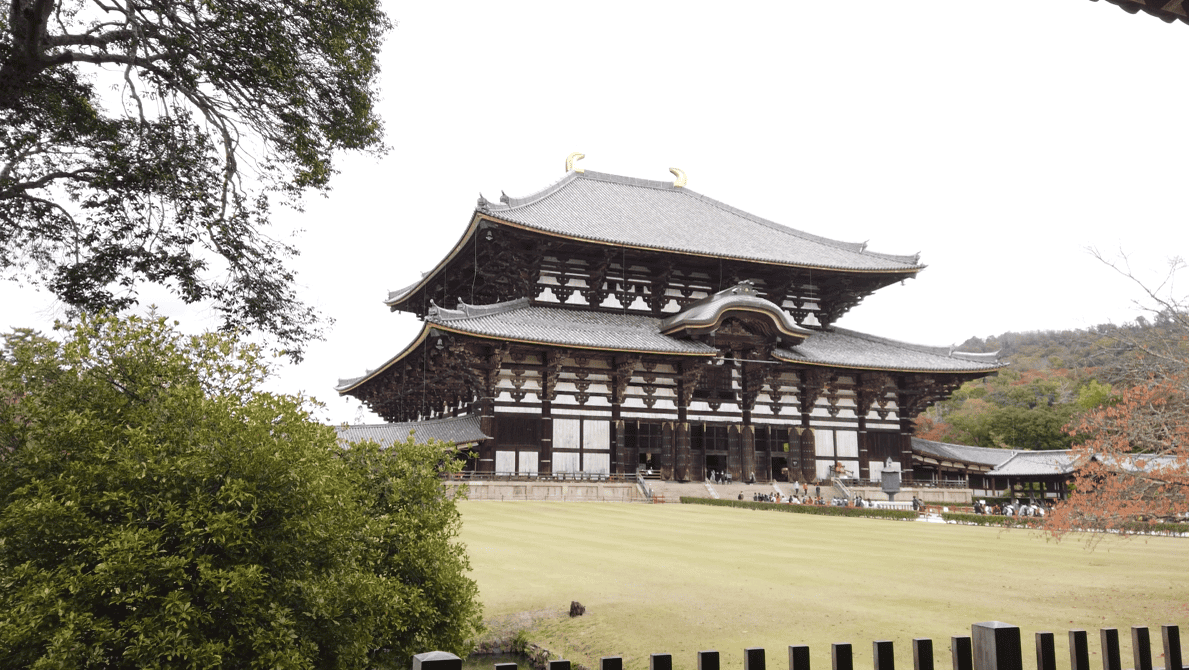
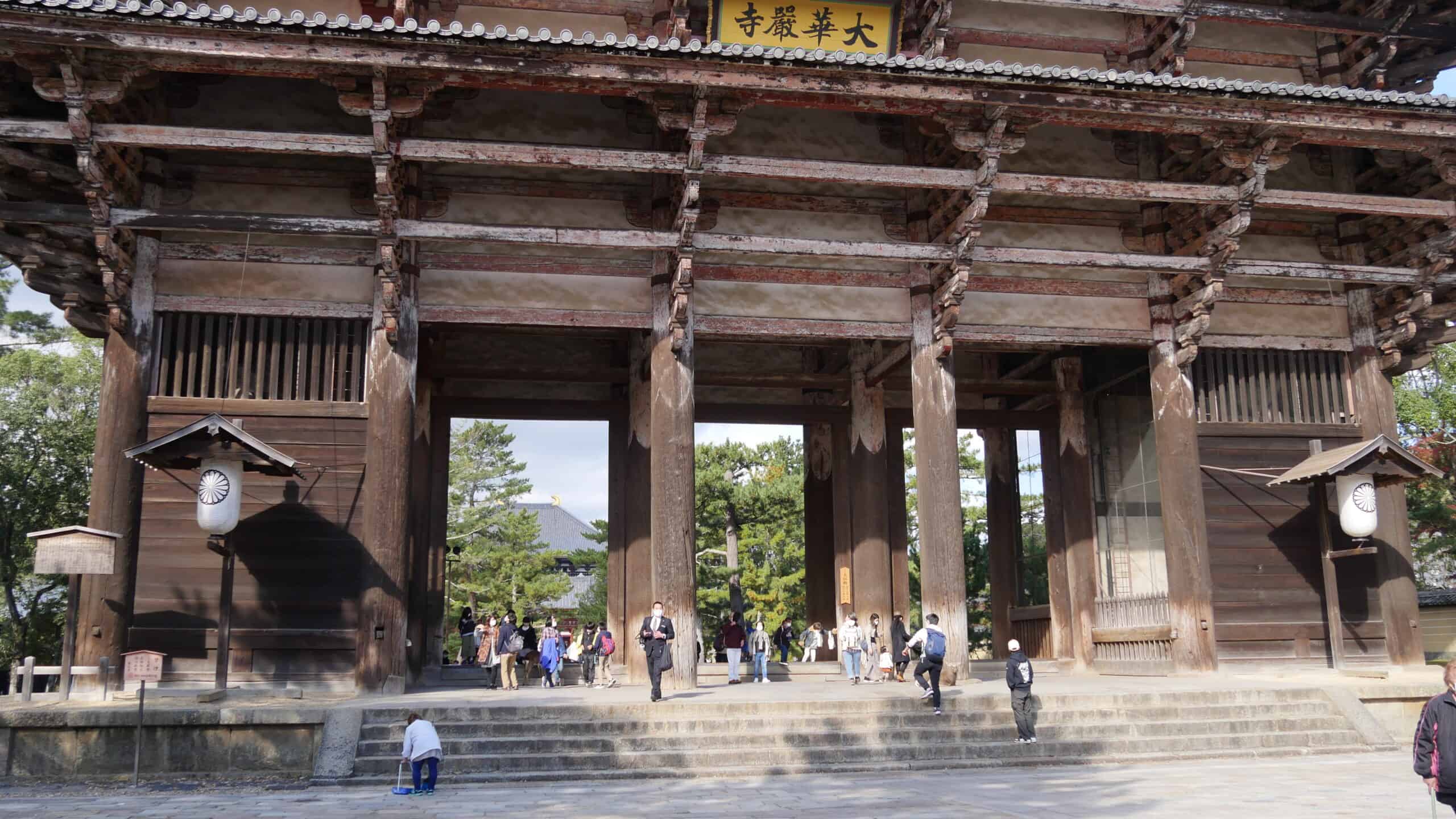
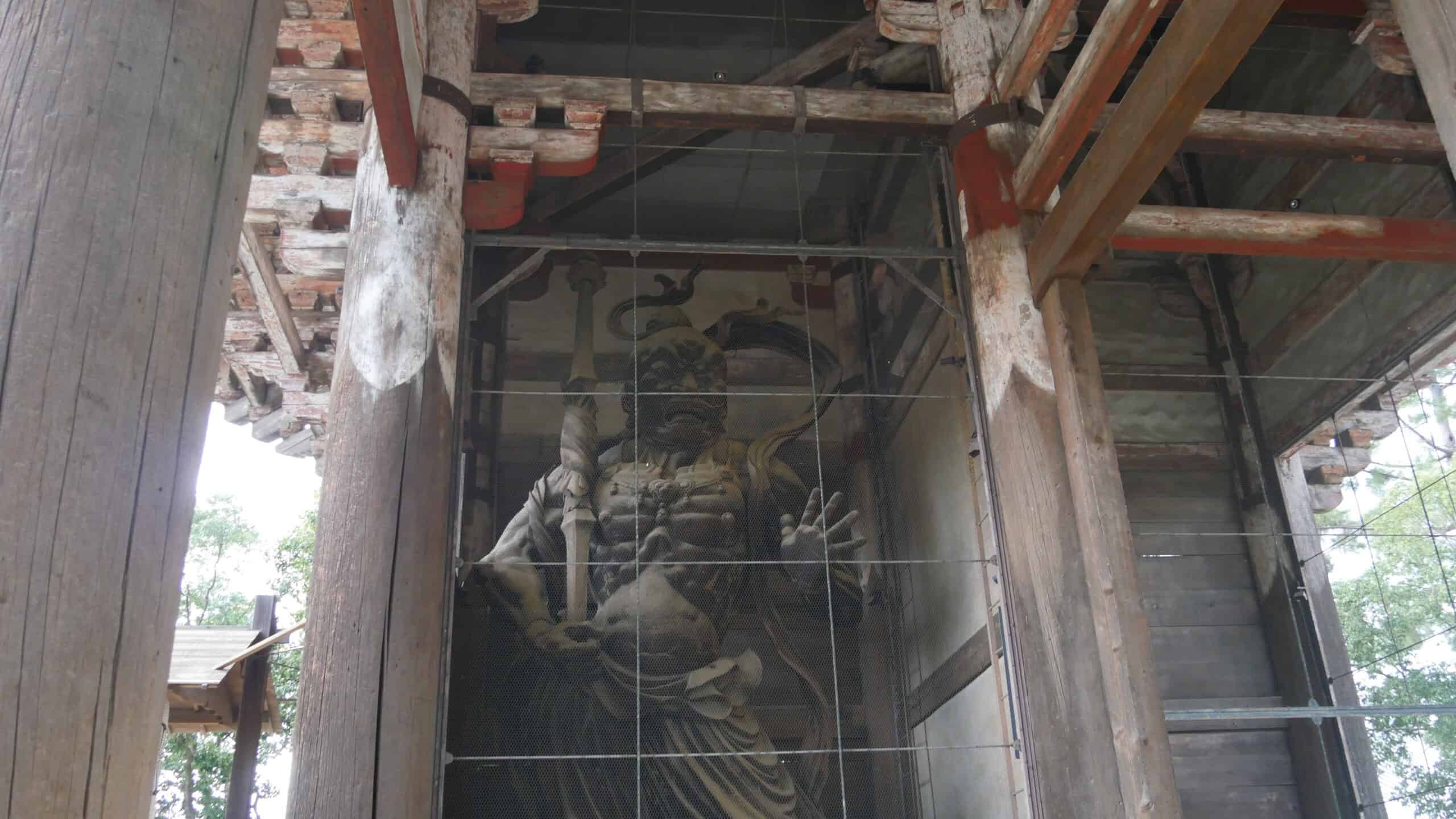
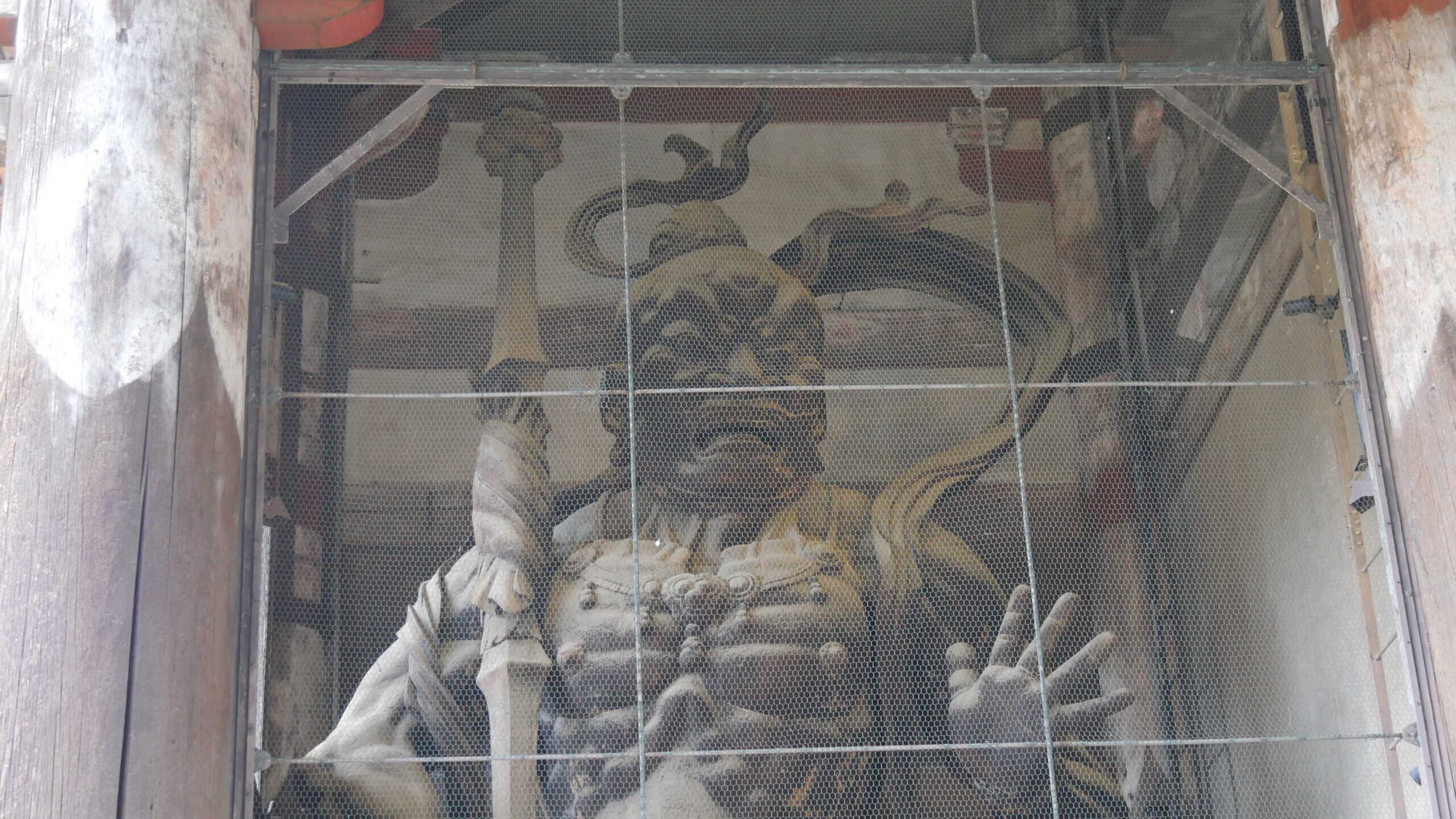
1.Todai-ji Temple: The Great Buddha
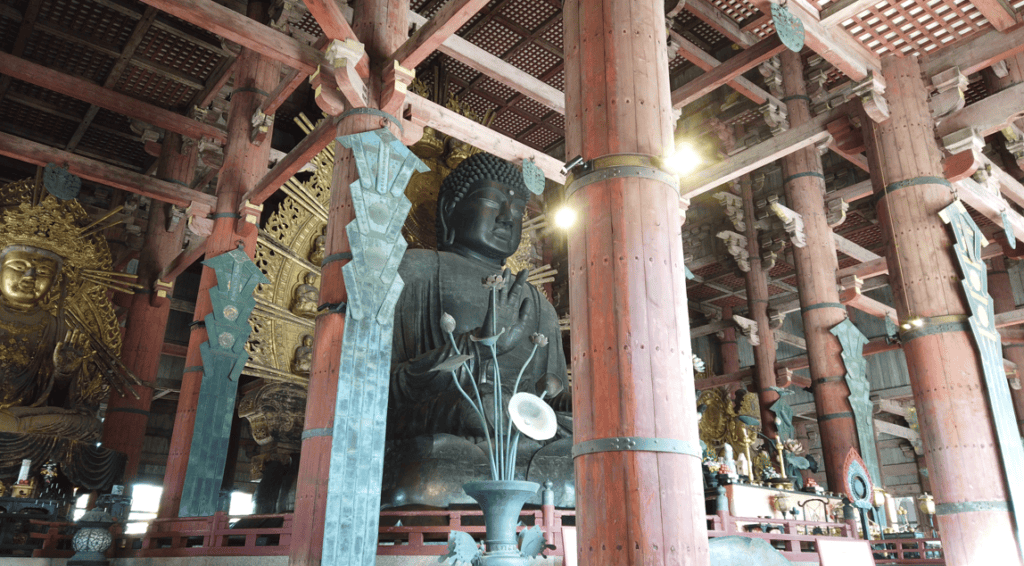
- The Scale: The Buddha is nearly 15 meters tall.
- The Story: Built in 752 AD. 1,300 years ago, half of Japan’s population contributed to this project to pray for salvation from epidemics and famine. When you look at his face, you are looking at the prayers of millions of ancient people.



📍 Map: Nara Station to Todaiji