
Introduction
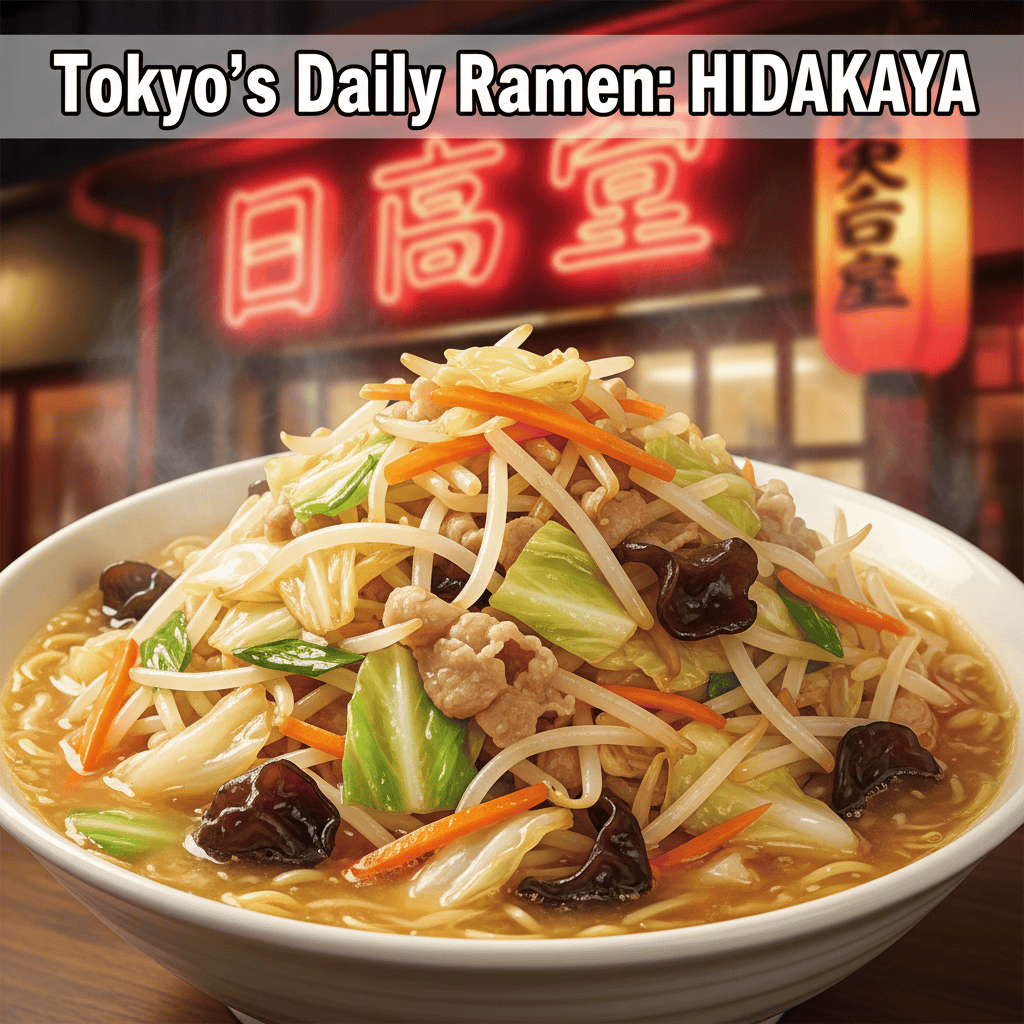
If you walk around any train station in Tokyo, you will see a white sign with black Kanji “日高屋” (Hidakaya). While famous chains like Ichiran or Ippudo are popular for “special” meals, Hidakaya is the undisputed King of Daily Life.
Why? Because it is ridiculously cheap, surprisingly healthy, and offers a “taste you never get tired of.”
Shocking Fact: Hidakaya holds the No. 1 spot in sales in the Japanese ramen industry (Kanto region focused), beating out global premium brands.
👁️ Kajino’s Eye: The Magic of “Second-Rate” Taste
Let me be honest: Hidakaya’s ramen is not “Michelin Star” quality. It doesn’t try to be. But this is actually its greatest strength. If a ramen is too rich or too unique, you get tired of it after eating it once a week. But Hidakaya’s flavor is simple, nostalgic, and gentle. It is designed to be a flavor you can eat every single day without getting bored. In Japan, we call this the “Power of Standard.” It’s the dining room for Tokyo’s salarymen, students, and elderly locals. It’s unpretentious and relaxed.
🏭 Business Secrets: Why So Cheap?
How can they sell Ramen for ¥420 in Tokyo? It’s not magic; it’s extreme corporate strategy.
1. The “Vegetable Tanmen” Strategy
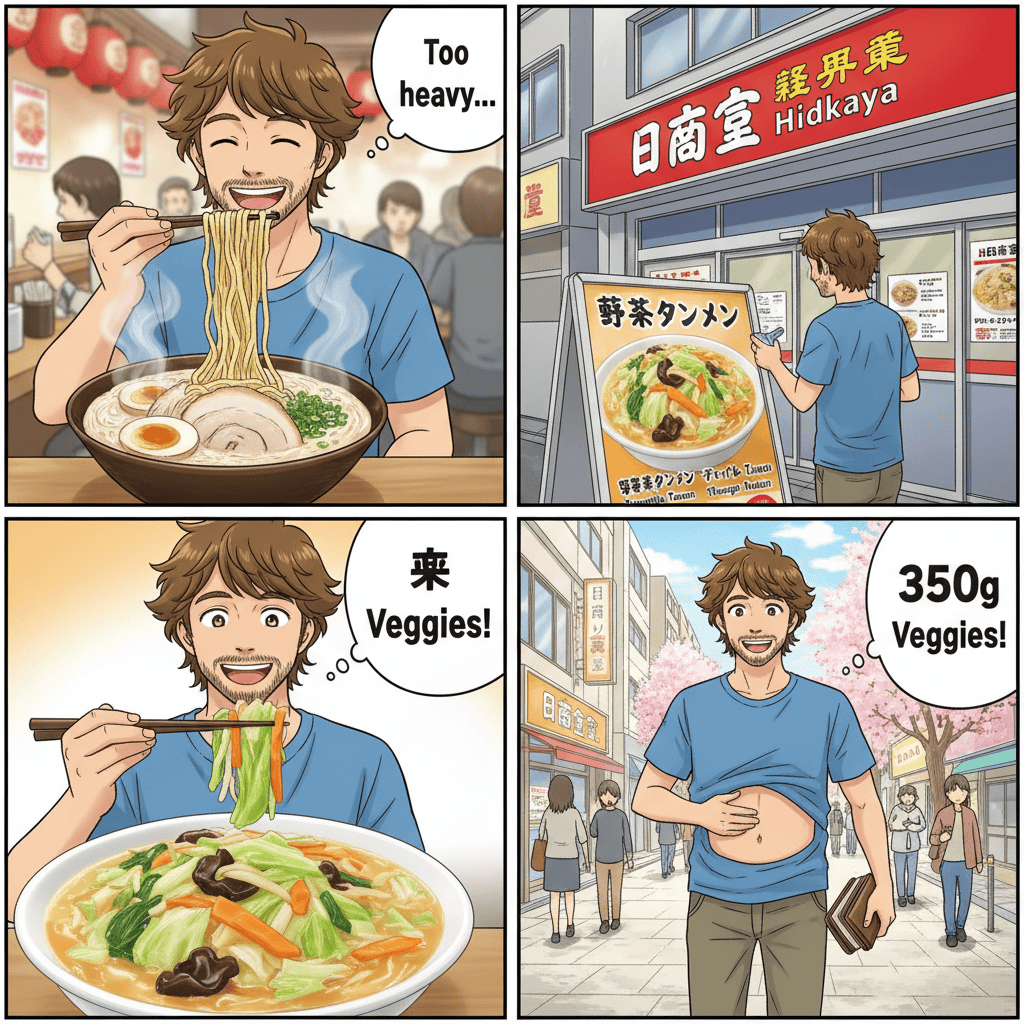
Usually, ramen soup costs a lot of money (pork bones, seafood, etc.). Hidakaya’s star product, “Yasai Tappuri Tanmen” (Vegetable Tanmen), uses the umami from 350g of vegetables (the ideal daily intake) mixed with chicken broth.
- Benefit: Low cost for soup + High health value for customers. It’s a Win-Win.
2. The “Kanto Only” Fortress
Hidakaya does not expand nationwide. They concentrate all 400+ stores in the Tokyo Metropolitan area (Tokyo, Kanagawa, Chiba, Saitama).
- Central Kitchen: They have one massive factory in Gyoda, Saitama. Noodles, dumplings, and char siu are made here and delivered directly to all stores. This cuts logistics costs significantly.
3. Efficiency & Volume
- Bulk Buying: One factory buying for 400 stores means massive discounts on ingredients.
- Limited Menu: They focus on what sells. Less waste, easier cooking for staff.
- Self-Service: Water is self-service. Tablets are used for ordering. This reduces labor costs, keeping your ramen cheap.
🏆 Top 10 Popular Menu Ranking
Based on local voting (Minna no Ranking). Note: Prices are subject to change, but usually stay very low.
Yasai Tappuri Tanmen (Vegetable Rich Soup Noodles)
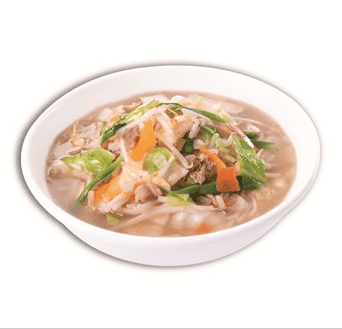
The absolute King. 350g of veggies.
Nira Reba Itame (Liver & Leek Stir-fry)

- Stamina food. Goes perfectly with beer or rice.
Bakudan Itame (Spicy Kimchi Pork Stir-fry)
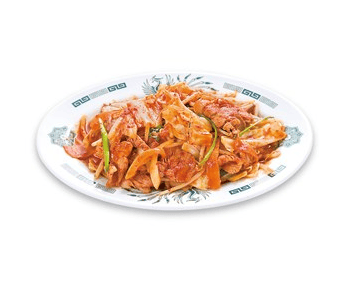
- Means “Bomb Stir-fry.” Spicy and addictive.
Shirunashi Ramen (Broth-less Oil Soba)

- Mix the noodles with the sauce at the bottom. Very popular recently.
Shogayaki (Ginger Pork)
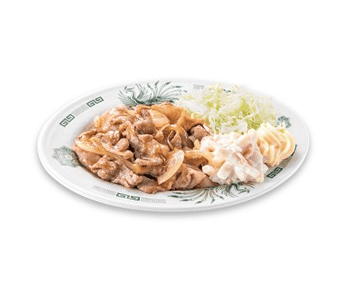
- A classic Japanese set-meal dish.
Chige Miso Ramen (Korean Style Spicy Miso Ramen)
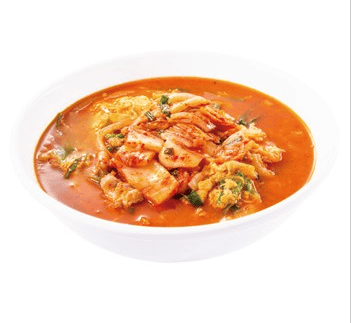
- A winter favorite. Spicy and warming.
Chuka Soba (Classic Soy Sauce Ramen)
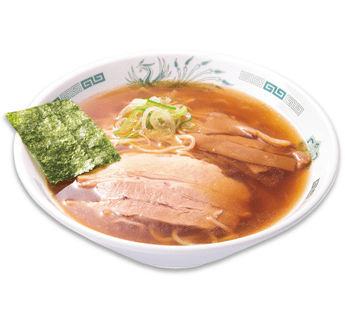
- The cheapest item. Simple, nostalgic taste.
Pirikara Tonkotsu Negi Ramen (Spicy Green Onion Pork Broth)
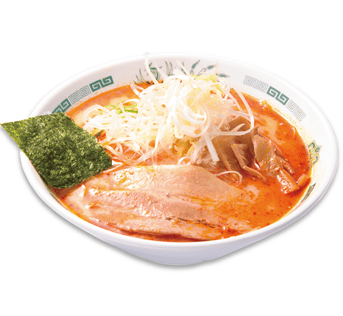
Gyoza (Potstickers)
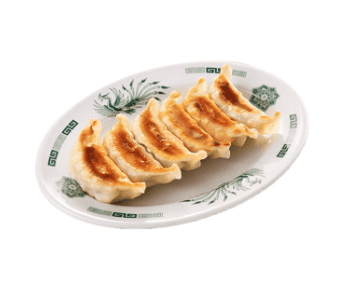
- Standard side dish. Cheap and reliable.
Chahan (Fried Rice)
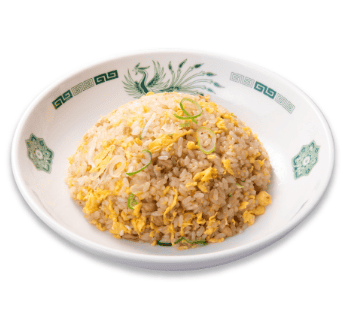
- High heat cooking makes it fluffy and delicious.
💰 Insane Pricing Examples (Reference)
Prices fluctuate slightly, but here is the general idea of the “Hidakaya Shock”:
- Ramen: Approx. ¥390 – ¥450 ($2.50 – $3.00)
- Veggie Tanmen: Approx. ¥590
- Gyoza (6 pcs): Approx. ¥270
- The “Set” (Half Ramen + Half Fried Rice + 3 Gyoza): Approx. ¥700 – ¥800