
Most visitors experience Tokyo through famous places such as Shibuya, Shinjuku, and the crowded streets of Asakusa.
But just a few stations away lies another Tokyo — quiet neighborhoods, historic restaurants, nostalgic sweets shops, and a neighborhood bathhouse that welcomes everyone, even travelers with tattoos.
This walk begins near Minowa Station, just north of Asakusa.
Instead of focusing on famous landmarks, it follows a much more local rhythm: eat well, relax in a traditional bathhouse, wander through old streets, and finish with a peaceful walk along the Sumida River into Asakusa.
Along the way, you’ll also encounter pieces of Tokyo’s layered history — from Edo-period districts to the setting of one of Japan’s most famous manga.
I grew up in Asakusa, so these neighborhoods are familiar to me.
Route Overview
Minowa Station →
Dote no Iseya (historic tempura restaurant) →
Yudonburi Sakaeyu (tattoo-friendly hot spring bathhouse) →
Mishimaya (retro sweets shop) →
Yoshiwara historical gate →
Ashita no Joe statue & Sanya district →
Sumida River walk →
Senso-ji Temple in Asakusa
Estimated time: 4–5 hours including bath time
Stop 1:Minowa – Gateway to Old Tokyo
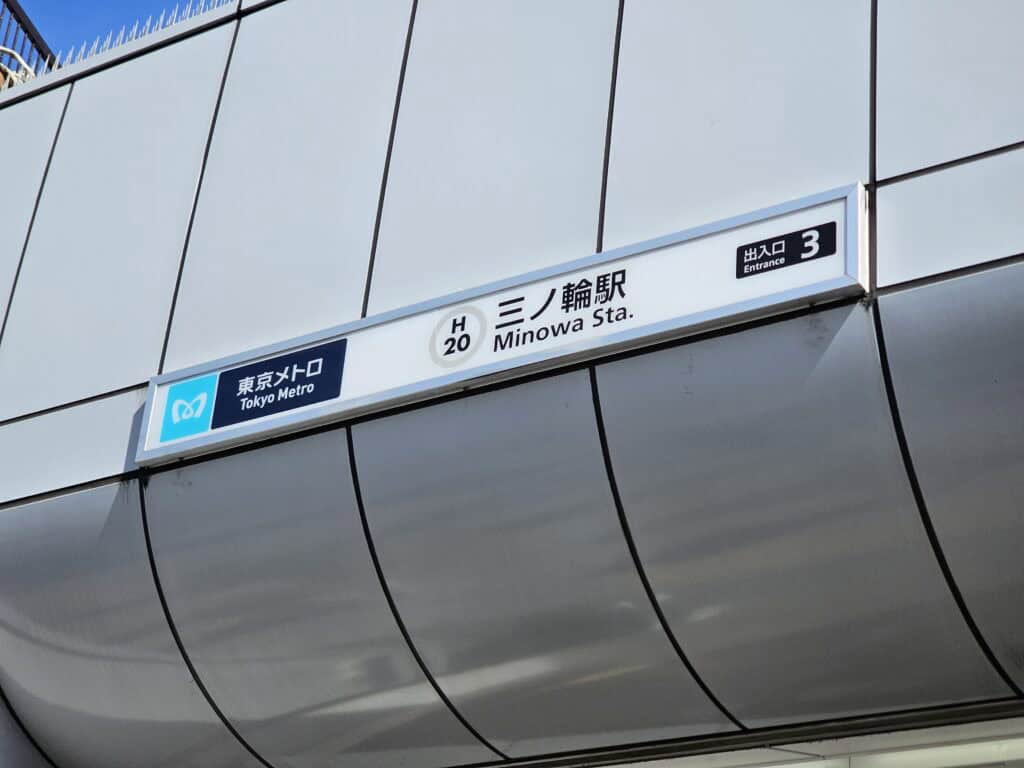
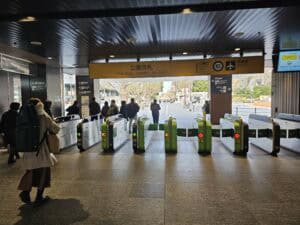
Take the Tokyo Metro Hibiya Line and get off at Minowa Station.
This neighborhood sits just north of Asakusa and historically belonged to Tokyo’s working-class districts. Compared with central tourist areas, the atmosphere here feels calm and local.
Small shops, neighborhood restaurants, and residential streets dominate the area.
It’s a quiet starting point for discovering a side of Tokyo many travelers never see.
Stop 2:Dote no Iseya – Edo-Style Tempura
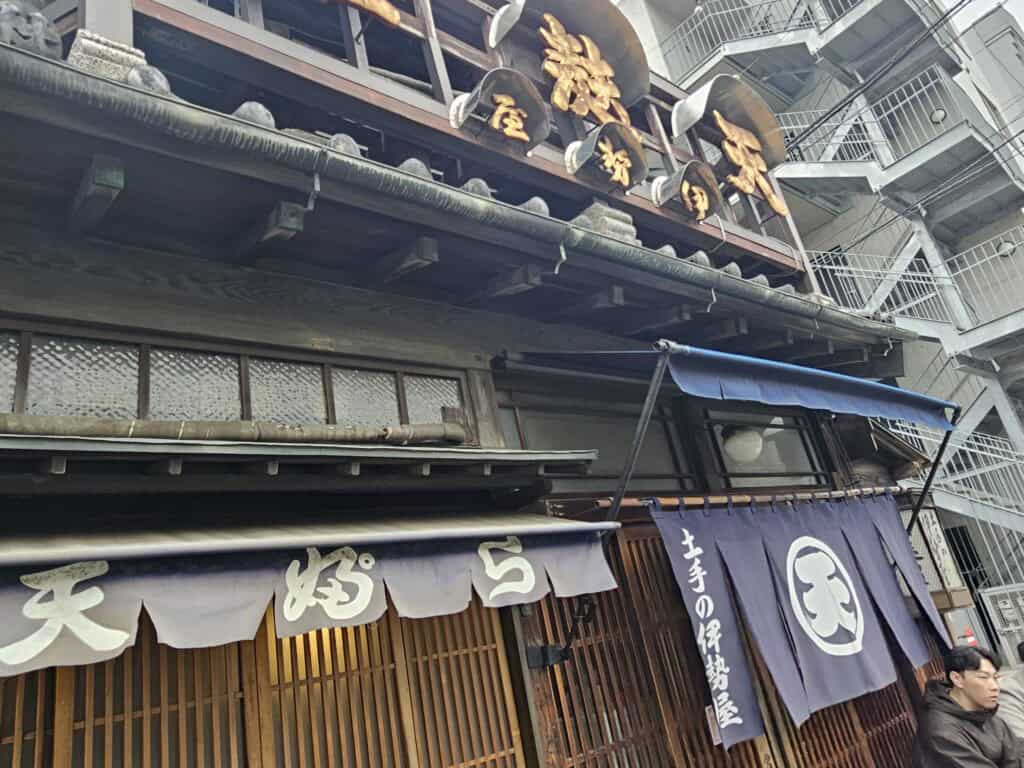
A short distance from the station stands Dote no Iseya, one of Tokyo’s oldest tempura restaurants.
The building looks fragile, almost collapsing under the weight of centuries. Dark wood, narrow stairs, and the smell of old oil tell you immediately: this is not a modern restaurant. This is Edo still alive.
Inside, tempura is fried in traditional sesame oil, producing the rich flavor associated with Edo-style tempura.
Many visitors come here specifically for the famous tendon (tempura bowl) topped with shrimp and seasonal vegetables.
Even if you simply stop to look at the building, it feels like stepping briefly into Tokyo’s culinary past.
Stop 3:Yudonburi Sakaeyu – Tokyo’s Tattoo-Friendly Hot Spring Bathhouse
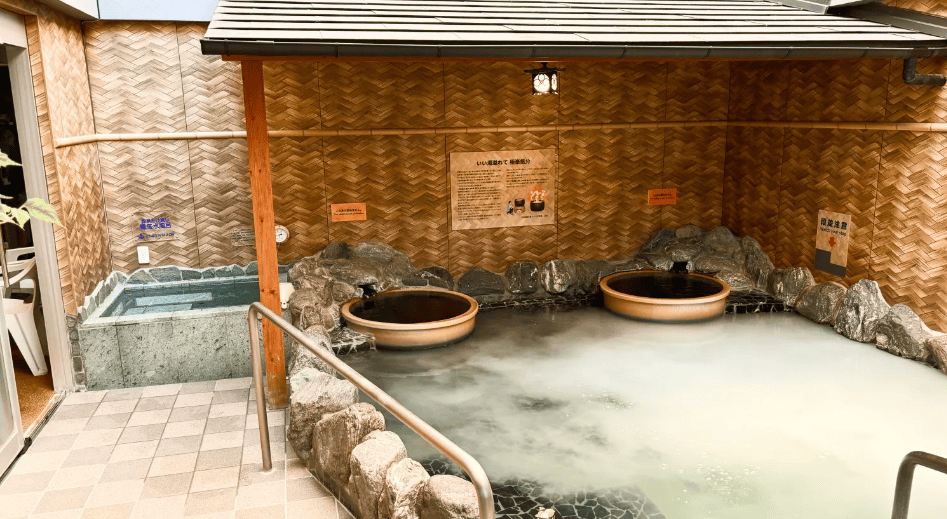
The highlight of this walk is Yudonburi Sakaeyu, one of the most impressive neighborhood onsen bathhouses in Tokyo.
What makes this place special is that tattoos are allowed.
Layout & Facilities
Yudonburi Sakae is larger and more modern than many traditional sento in Tokyo, but it still keeps the relaxed atmosphere of a neighborhood bathhouse.
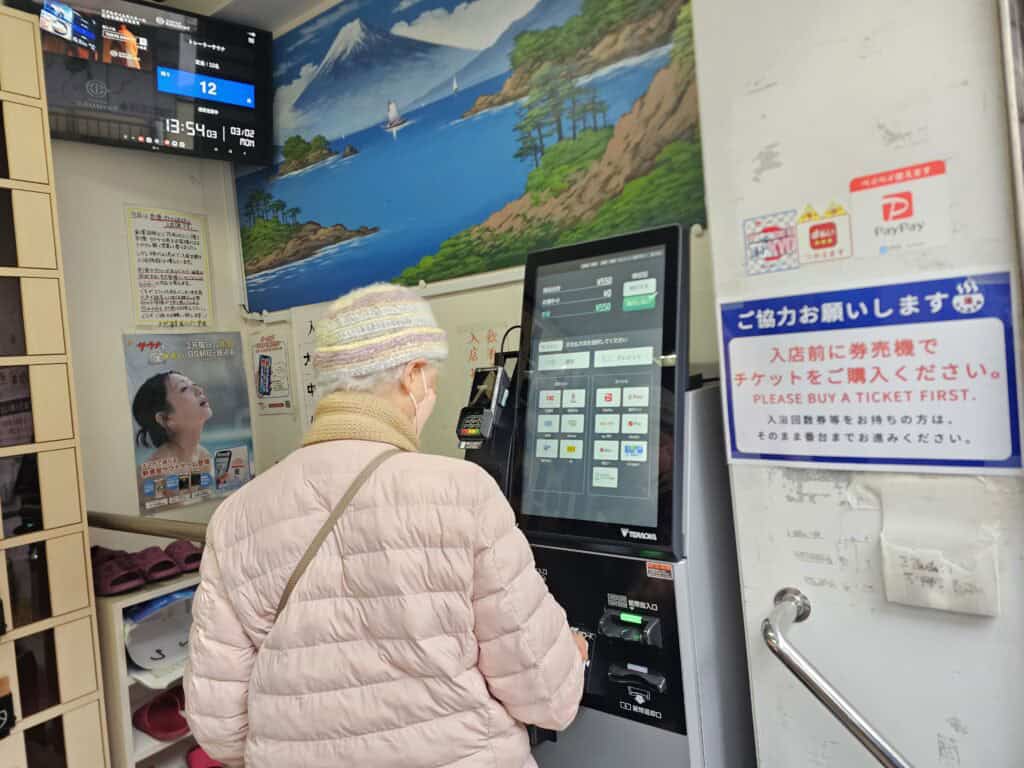
The experience begins at the front desk, where you pay the standard sento entrance fee.
Just before the bath area, there is a small relaxation lounge, where locals sit and cool down after bathing.
Passing through the red and blue noren curtains, you enter the changing room.
Inside the Bath Area
The main bath floor contains several different types of baths.
- Carbonated bath (炭酸風呂)
- Jet bath (ジェット風呂)
- Electric bath (電気風呂)
- Lying bath (寝風呂)
Next to these baths is the washing area, where shower stations are equipped with free shampoo and body soap.
The Herbal Bath
Walking a little deeper into the bath area, you reach a bath filled with dark brown herbal water.
This medicinal bath has a strong color and aroma and is one of the distinctive features of this sento.
Sauna Area
Behind the herbal bath area is the sauna zone, which includes:
- sauna room (additional fee)
- shower space for cooling down
The sauna costs about ¥600 extra, which is common for Tokyo sento.
Semi-Open-Air Onsen
The most impressive part of Yudonburi Sakae is the semi-open-air bath area.
Here you will find:
- a natural hot spring bath (onsen)
- a cold plunge pool large enough for about three people
The roof is partially open, creating an outdoor atmosphere while still protecting bathers from rain.
Kajino’s Eye
I spent about 90 minutes here and did not see a single foreign tourist.
Everyone was local.
Salarymen quietly bathing after work. Elderly residents chatting softly. At one point, a heavily tattooed man washed beside other customers, and nobody paid attention.
It felt like a genuine Tokyo neighborhood bathhouse rather than a tourist attraction.
Basic Info
- Entrance fee: ¥550
- Towel rental: ¥150
- Sauna: +¥600
- Tattoo policy: generally relaxed
- Facilities: onsen, carbonated bath, sauna, cold plunge, jet bath
Stop 4:Mishimaya – A Retro Sweet Shop from Old Tokyo
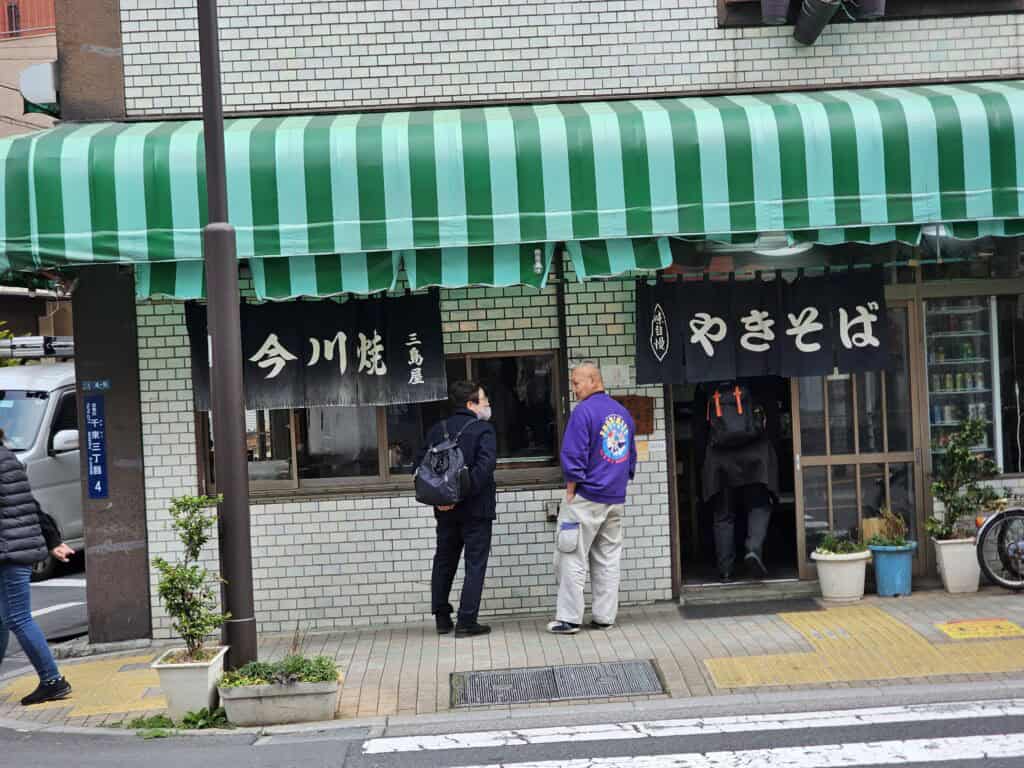
Just a few minutes from the bathhouse stands Mishimaya, a tiny neighborhood shop that feels like a surviving piece of the Showa era.
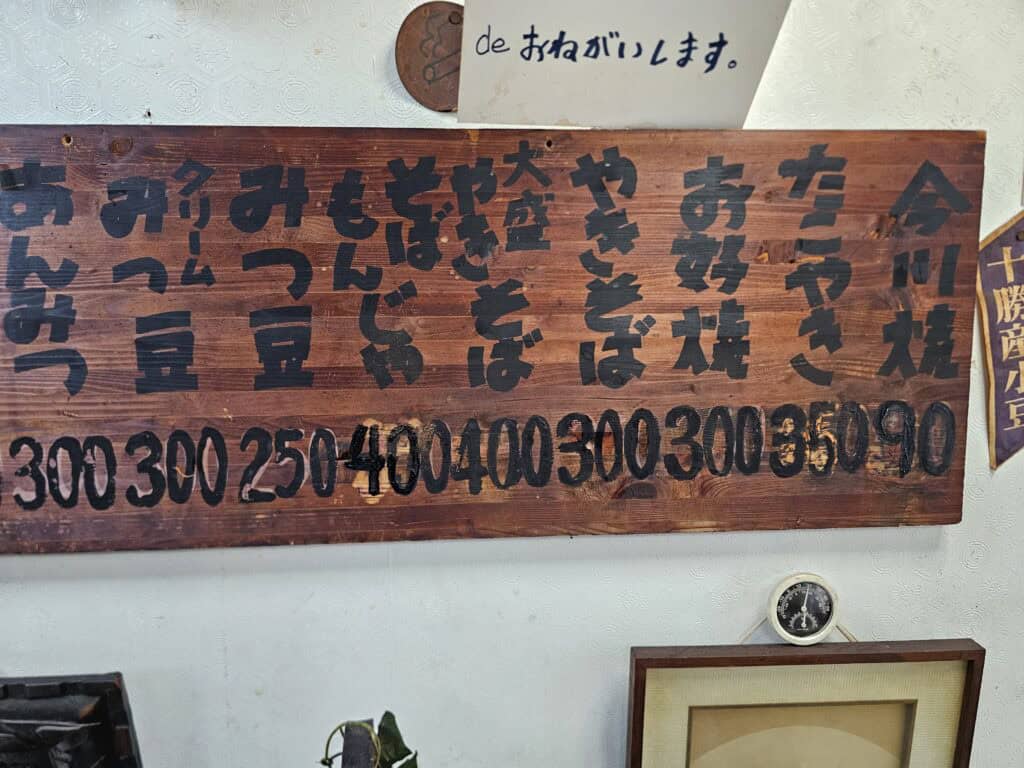
The handwritten wooden menu looks like it hasn’t changed for decades.
Some desserts still cost only a few hundred yen.
One of the most popular treats is imagawayaki, a small pancake filled with sweet red bean paste.
Amazingly, it still costs only 90 yen, a price that feels almost impossible in modern Tokyo.
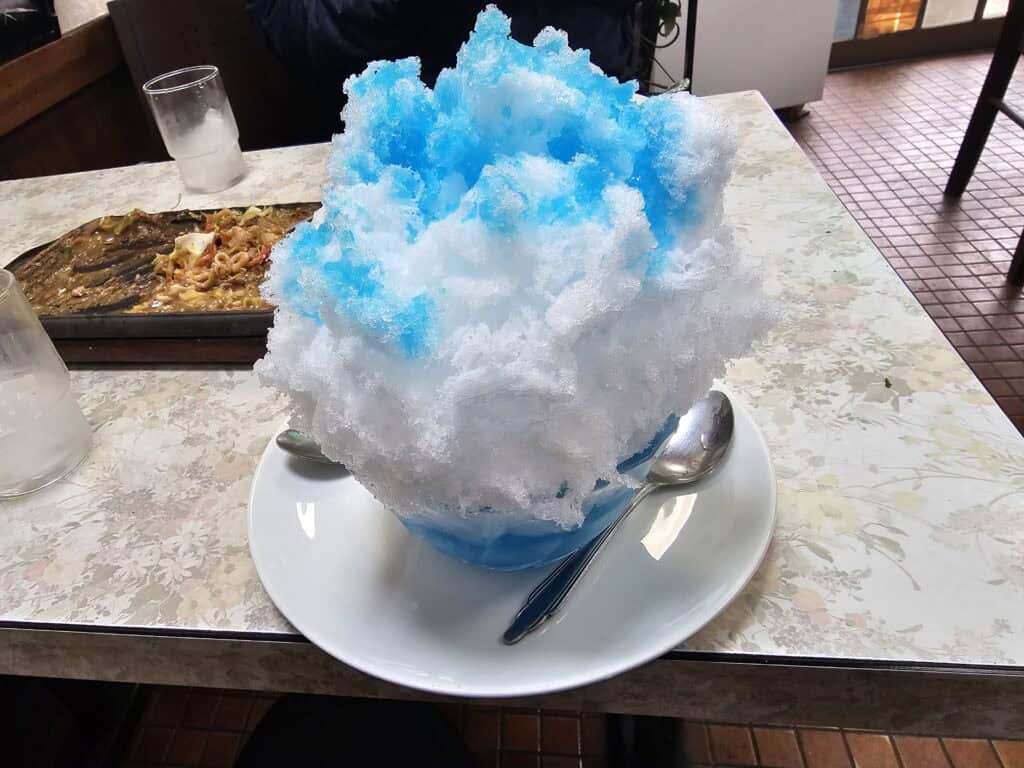
Locals often stop here for simple desserts such as shaved ice, anmitsu, or imagawayaki.
The atmosphere is nostalgic and relaxed — exactly the kind of neighborhood shop that once defined everyday life in Tokyo.
History Stop: Yoshiwara – The Former Pleasure District of Edo
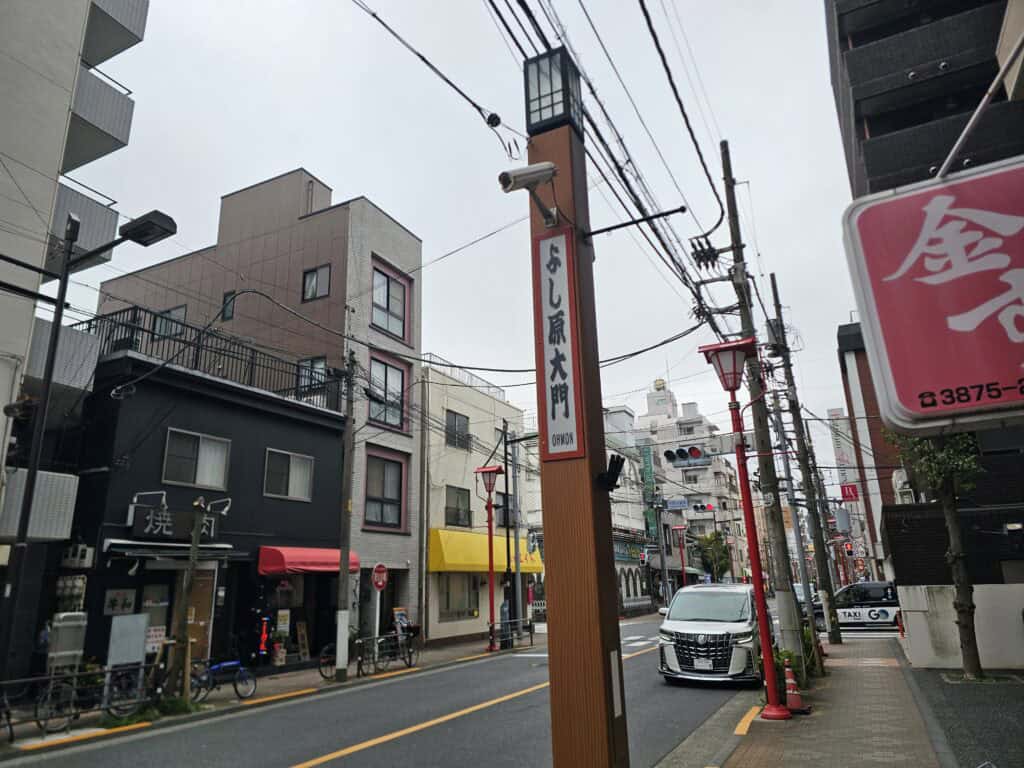
Leaving Mishimaya, the route passes through the historic area of Yoshiwara.
During the Edo period, this district was the licensed pleasure quarter of Tokyo.
The entrance known as Yoshiwara Omon once marked the boundary of the district, and ordinary women were not allowed to pass beyond this gate.
Today the neighborhood is quiet and residential, but the streets still carry traces of this complex chapter of Tokyo’s history.
Culture Stop: Ashita no Joe and the Sanya District
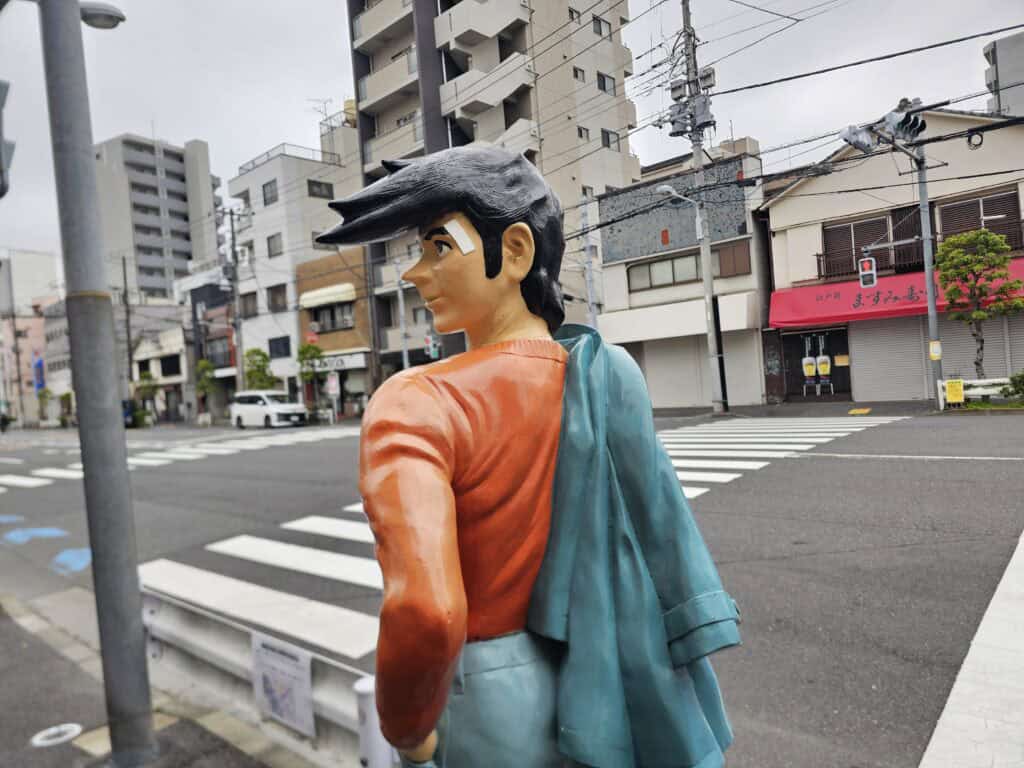
Nearby lies the Sanya district, once known as a center for day laborers and inexpensive wooden lodging houses.
This area became the setting for the famous boxing manga Ashita no Joe, a story that captured the struggles of postwar Japan.
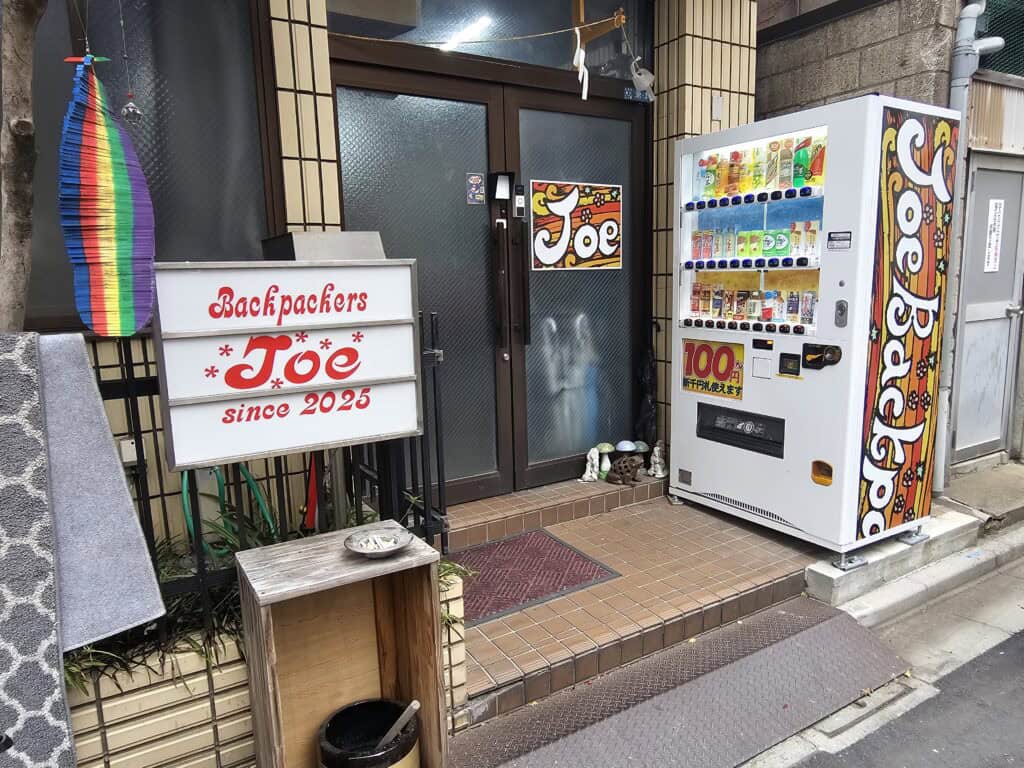
Today many of the old lodging houses have been transformed into budget hostels and backpacker hotels, attracting travelers from around the world.
The district that once housed laborers now quietly welcomes international backpackers.
The Final Walk:Sumida River and the Road to Asakusa
Eventually the streets open onto the Sumida River, one of the most pleasant walking areas in eastern Tokyo.
The wide riverside path offers a calm break after exploring the dense streets of the neighborhood.
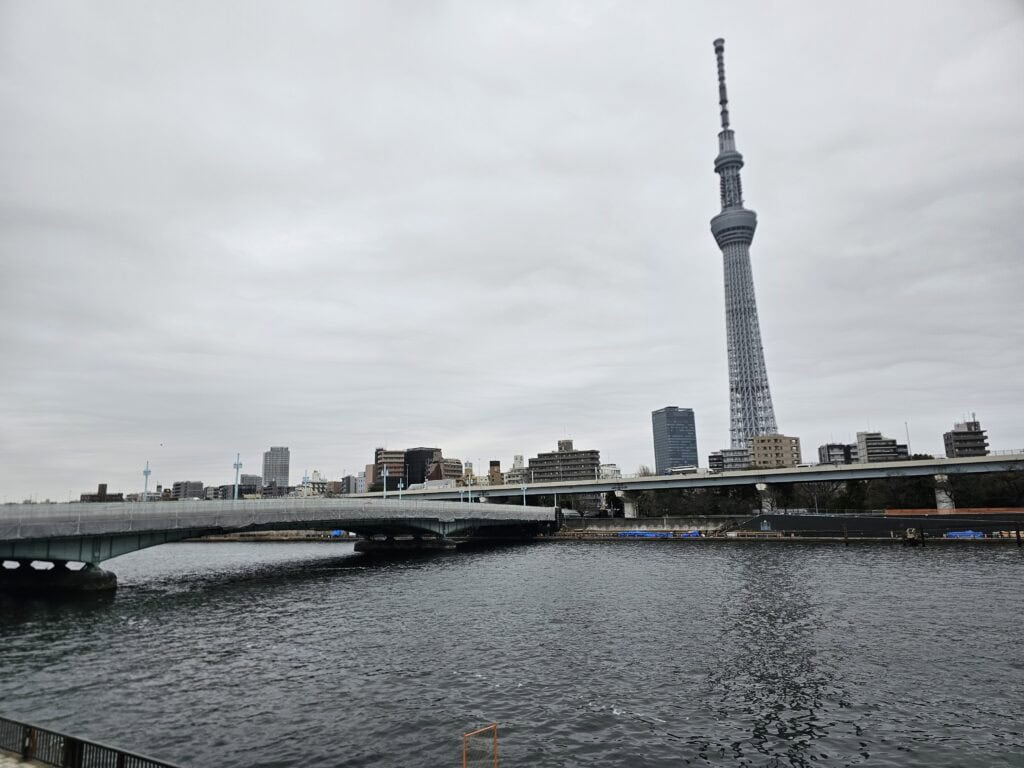
From here, Tokyo Skytree rises above the skyline, creating a striking contrast between the quiet river and the modern city beyond.
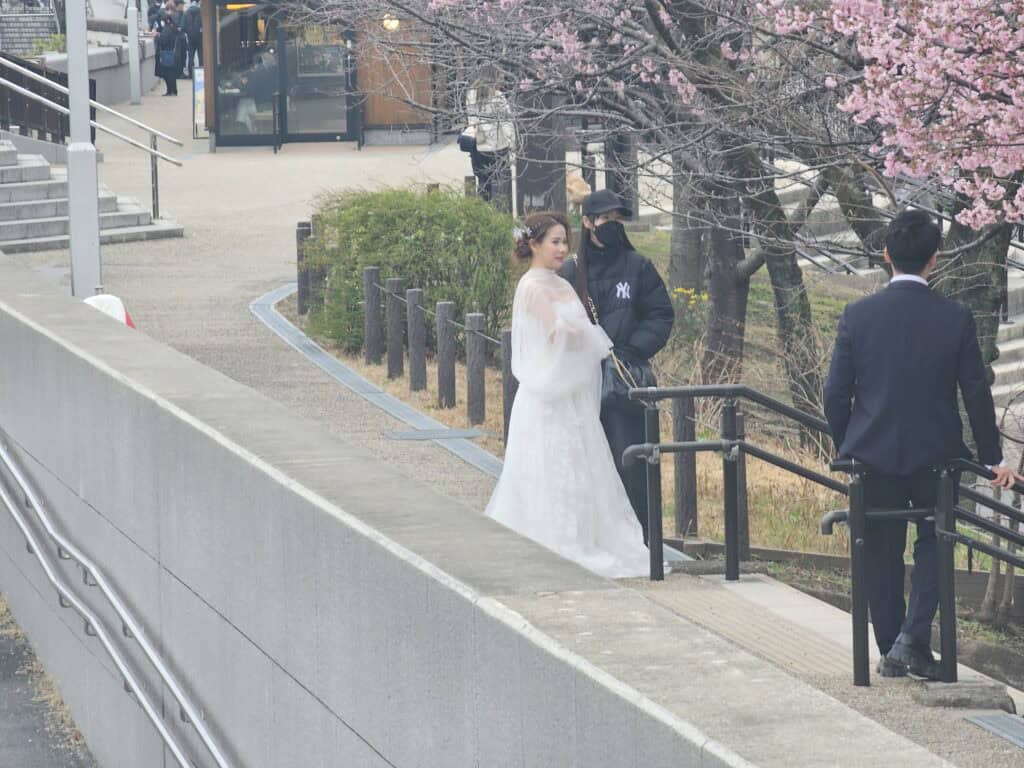
The riverside area is also a favorite place for visitors taking photos in traditional kimono or simply enjoying the view of the river.
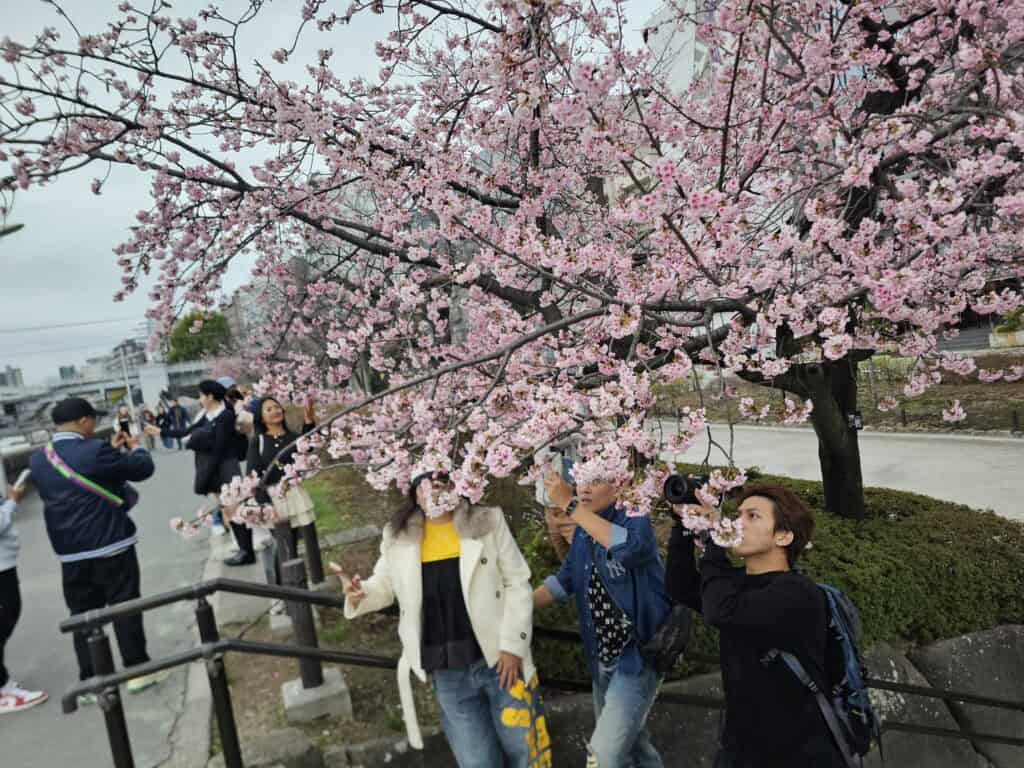
During spring, the path becomes even more beautiful as cherry blossoms appear along the riverbank.
The combination of water, sky, and the distant tower creates one of the most relaxing scenes in Tokyo — a peaceful walk that naturally leads toward Asakusa.
The quiet river, old neighborhoods, and modern tower create a scene that perfectly captures Tokyo’s layered identity.
Finish: Arrival at Senso-ji Temple
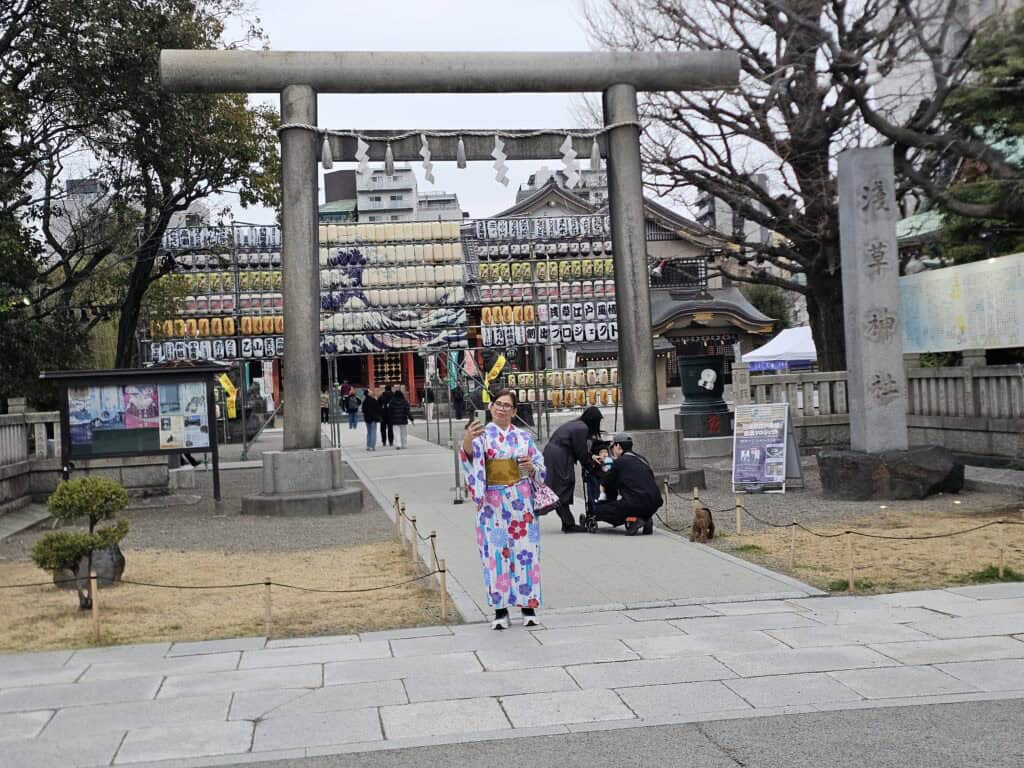
The walk ends in Asakusa, one of Tokyo’s most famous historic districts.
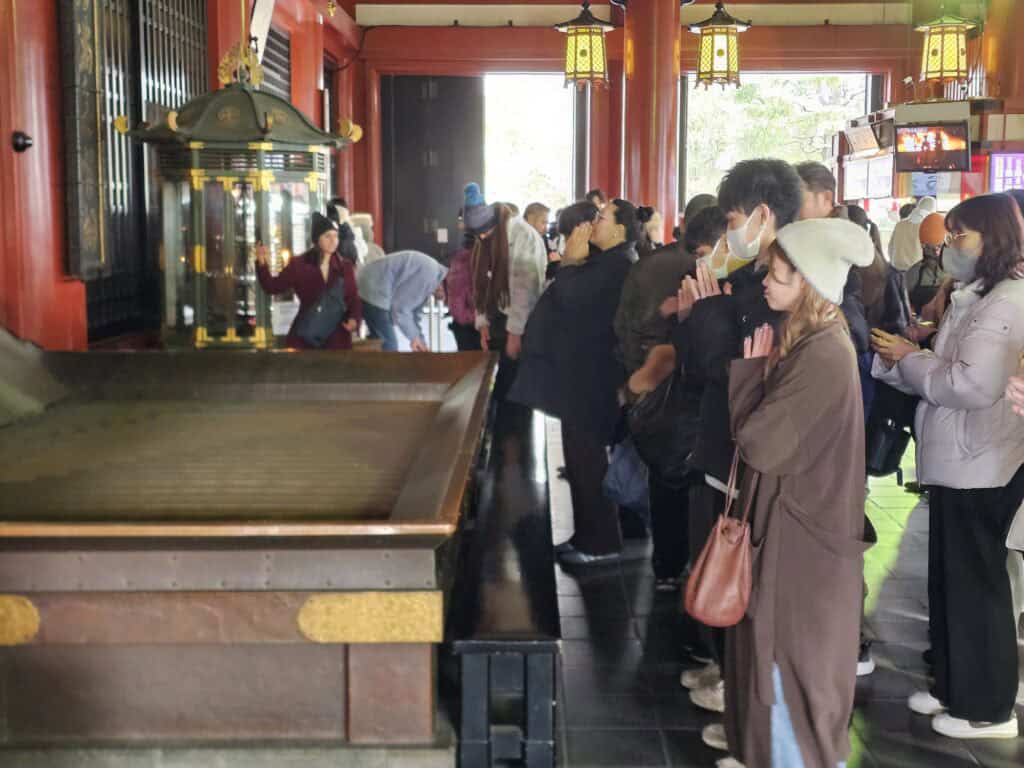
After exploring quiet neighborhoods, historic streets, and a hidden bathhouse, arriving at the lively temple area feels like stepping back into the center of the city.
Map of This Walk

コメント