
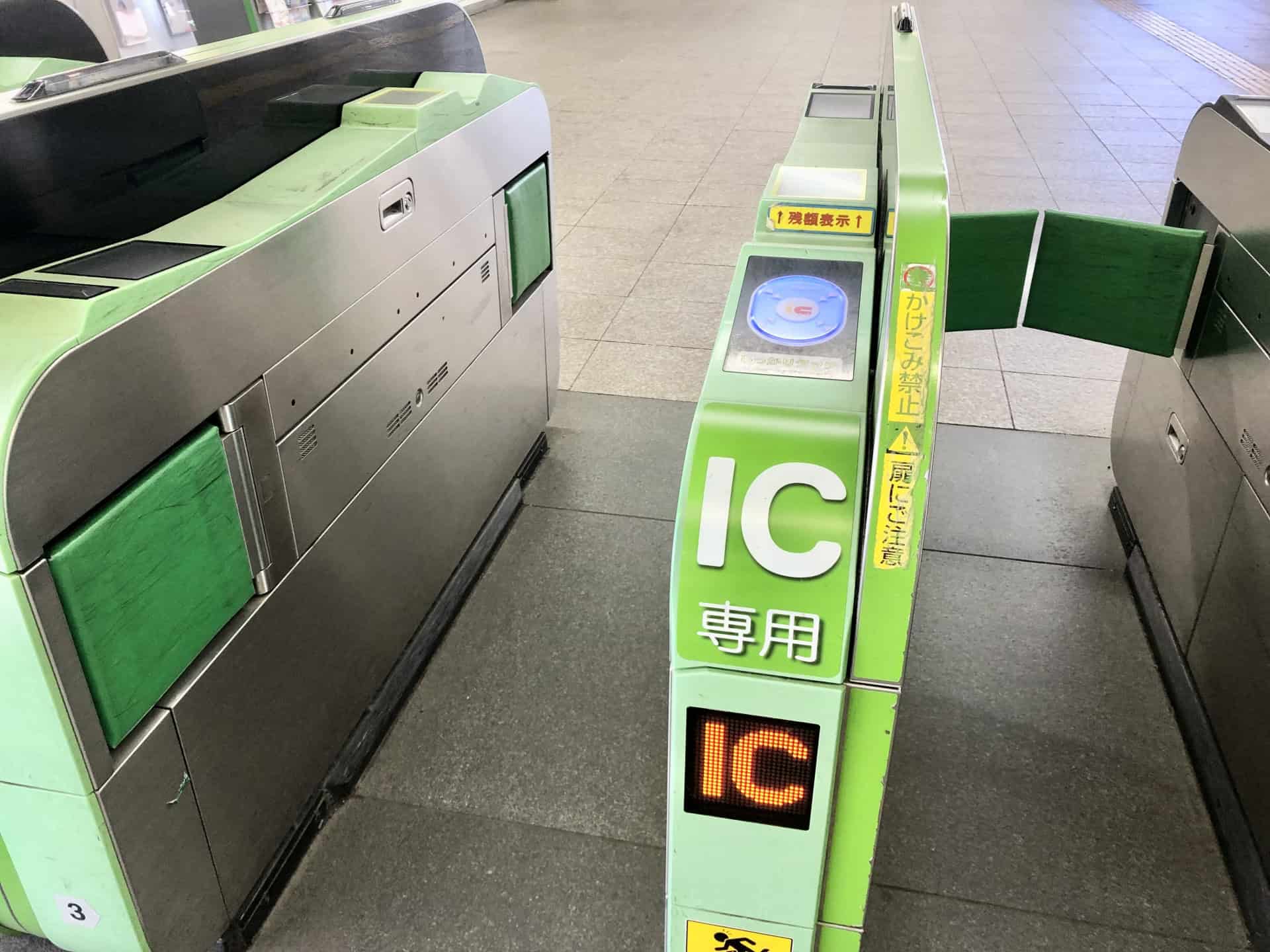
In Tokyo, an IC card is not just a train ticket.
It is the easiest way to move through the entire city.
With a single tap, you can ride trains and buses, buy drinks from vending machines, pay at convenience stores, and even unlock shared bicycles. For many daily transactions in Tokyo, IC cards function as a universal payment system.
The two main cards used in Tokyo are Suica and Pasmo.
Suica vs Pasmo
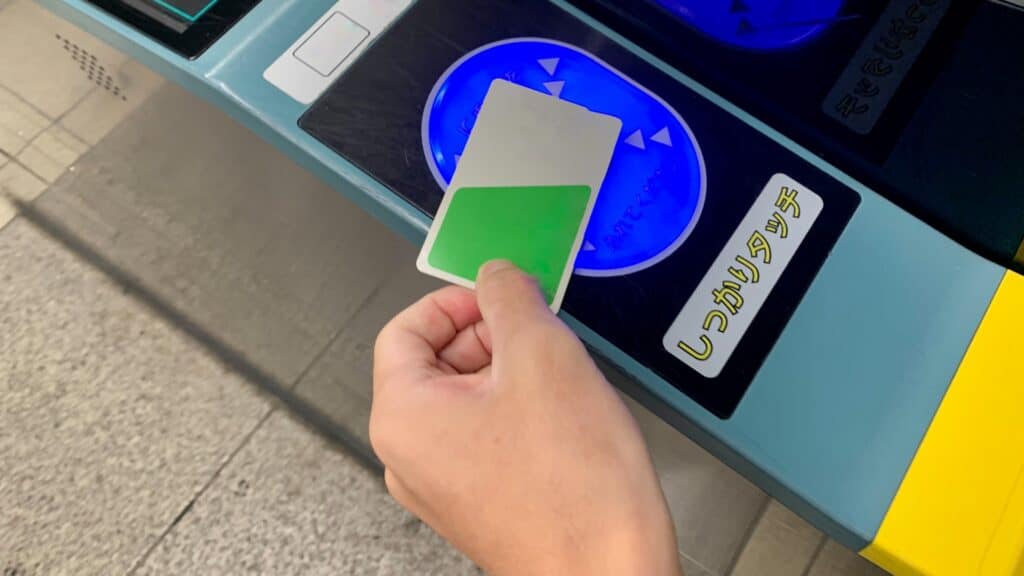
Suica is issued by JR East, while Pasmo is issued by private railways and subway companies.
In practice, there is almost no difference for travelers. Both cards can be used on nearly all trains, subways, and buses in the Tokyo area. They also work at most convenience stores, vending machines, and many small shops.
For visitors, choosing between Suica and Pasmo usually does not matter.
Why Train Tickets Can Be Difficult
Tokyo’s ticket machines can look intimidating to first-time visitors.
Buying a paper ticket usually requires several steps:
- Find your destination on the railway map
- Check the fare for that station
- Purchase a ticket for that exact amount
This becomes even more confusing when transfers are involved. A typical route may include subways, JR trains, or private railways operated by different companies.
For someone unfamiliar with the system, the process can feel like navigating a maze.
IC cards remove this complexity.
Instead of calculating fares yourself, you simply tap in and tap out, and the system automatically charges the correct amount.
Where You Can Use IC Cards
IC cards are accepted almost everywhere in Tokyo’s transportation network.
Typical uses include:
- JR trains
- subways
- private railways
- city buses
- convenience stores
- vending machines
- drugstores
- coin lockers
Because they work for both transportation and small purchases, IC cards quickly become one of the most useful tools for navigating Tokyo.
Where to Get an IC Card
IC cards can normally be purchased at ticket machines in train stations.
JR stations issue Suica, while private railways and subway stations issue Pasmo. Both work across most transportation systems in Tokyo.
In recent years, however, some regular IC cards have occasionally faced temporary sales suspensions due to semiconductor shortages.
For travelers, there are special tourist versions designed for short stays.
The most common is Welcome Suica.
Unlike regular cards, Welcome Suica does not require a deposit. However, it is valid for 28 days, and any remaining balance cannot be refunded.
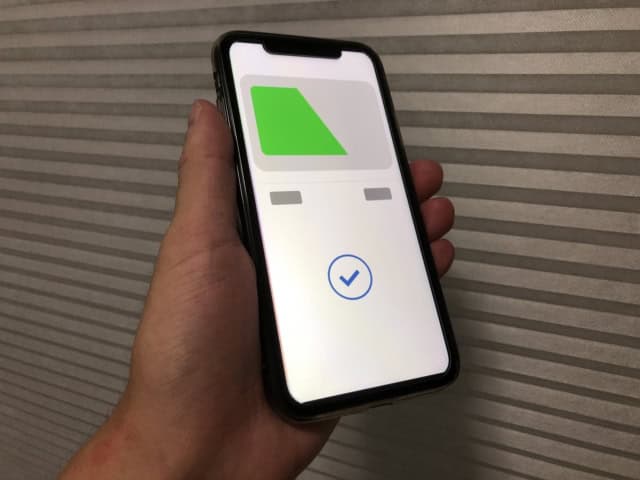
Another convenient option for many travelers is Mobile Suica, which can be added directly to Apple Wallet and used without a physical card.
Charging Your Card
You add money to an IC card through a process called charging.
You can charge your card at:
- train station ticket machines
- convenience stores
- some ticket counters
Once charged, you simply tap the card at ticket gates or payment terminals.
What Happens if Your Balance Is Too Low
If your balance is insufficient when exiting a station, the ticket gate will close and a warning sound will play.
This does not mean you are in trouble.
Near the gates you will find fare adjustment machines.
You simply tap your card there, pay the missing amount, and then pass through the gate normally.
The system is designed so passengers can resolve small mistakes quickly without needing staff assistance.
A Small but Useful Detail
Train ticket gates require one IC card per passenger.
However, on buses the system can be more flexible. In some cases, the driver may allow one card to pay for multiple passengers by tapping the card several times.
If you are traveling with others, it is best to confirm with the driver.
IC Card Trivia
The technology behind Suica is FeliCa, a contactless system developed by Sony.
When the railway companies were designing the system, they reportedly required ticket gates to process cards within 0.1 seconds. FeliCa was the only technology capable of meeting that speed requirement at the time.
This fast processing speed is one reason Tokyo’s ticket gates can handle enormous passenger flows without slowing down.
Another small but interesting detail is that many locals rarely buy paper tickets anymore.
With IC cards and mobile versions widely available, ticket machines are now used far less often than they once were.
Kajino’s Eye
IC cards are often introduced to travelers as transportation tools. In reality, they are something more.
Tokyo is a city where millions of small transactions happen every day — train fares, drinks, snacks, quick purchases. IC cards allow these tiny payments to happen instantly.
Because of that speed, people keep moving.
In many ways, IC cards are not just tickets.
They are part of the invisible infrastructure that keeps Tokyo flowing smoothly.





コメント