
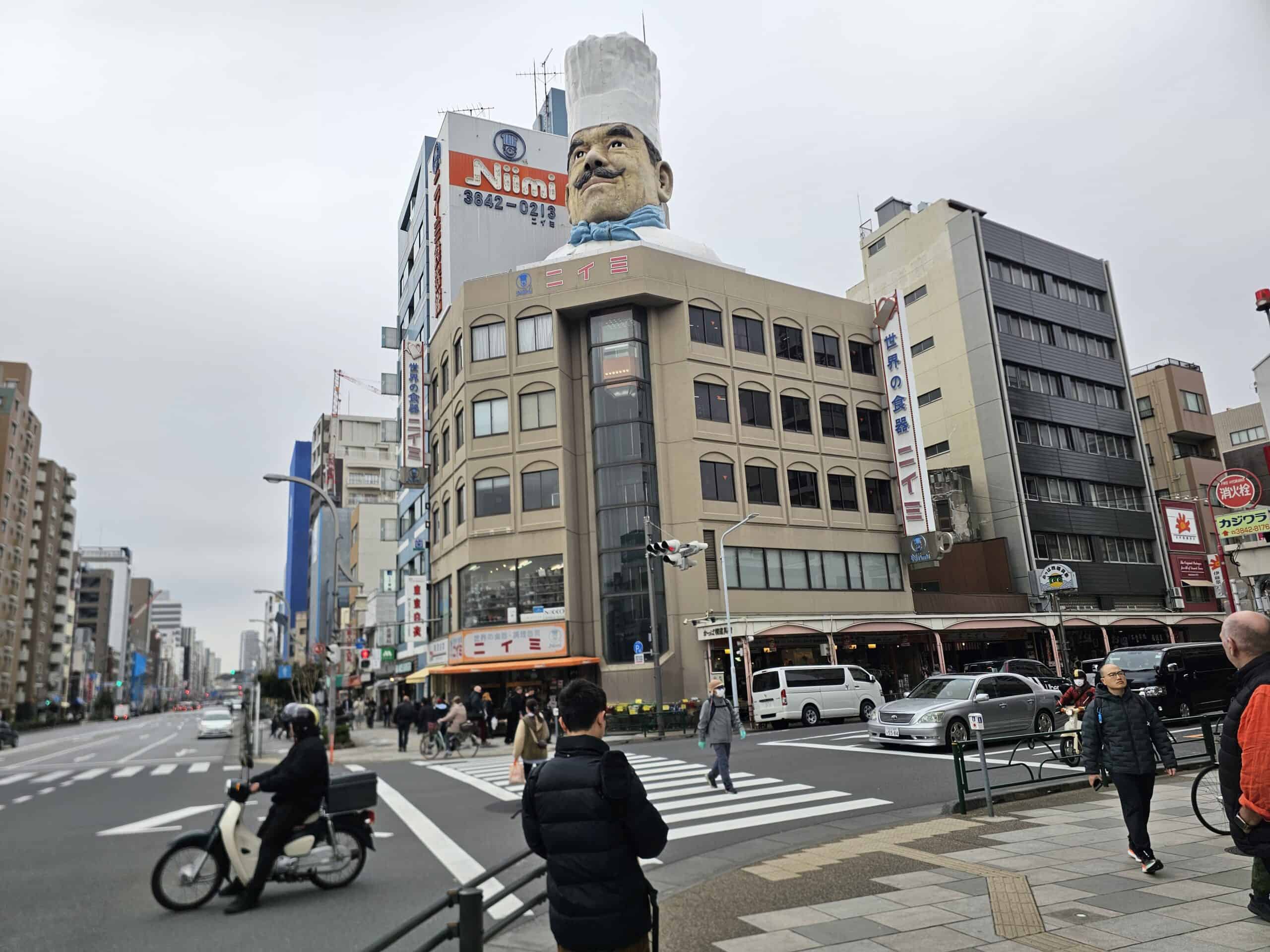
Just a short walk from Asakusa, Kappabashi Street is one of the most unique shopping districts in Tokyo.
The street runs for about 800 meters from north to south and is lined with roughly 170 specialty shops dedicated to cooking and restaurant supplies. For decades, Kappabashi served mainly professional chefs and restaurant owners. Today it has also become a fascinating destination for travelers.
Here you can find almost everything related to food preparation — from traditional Japanese knives and cookware to modern kitchen gadgets and restaurant tableware.
Even if you are not a cook, the street is an enjoyable place to explore.
What You Can Find in Kappabashi
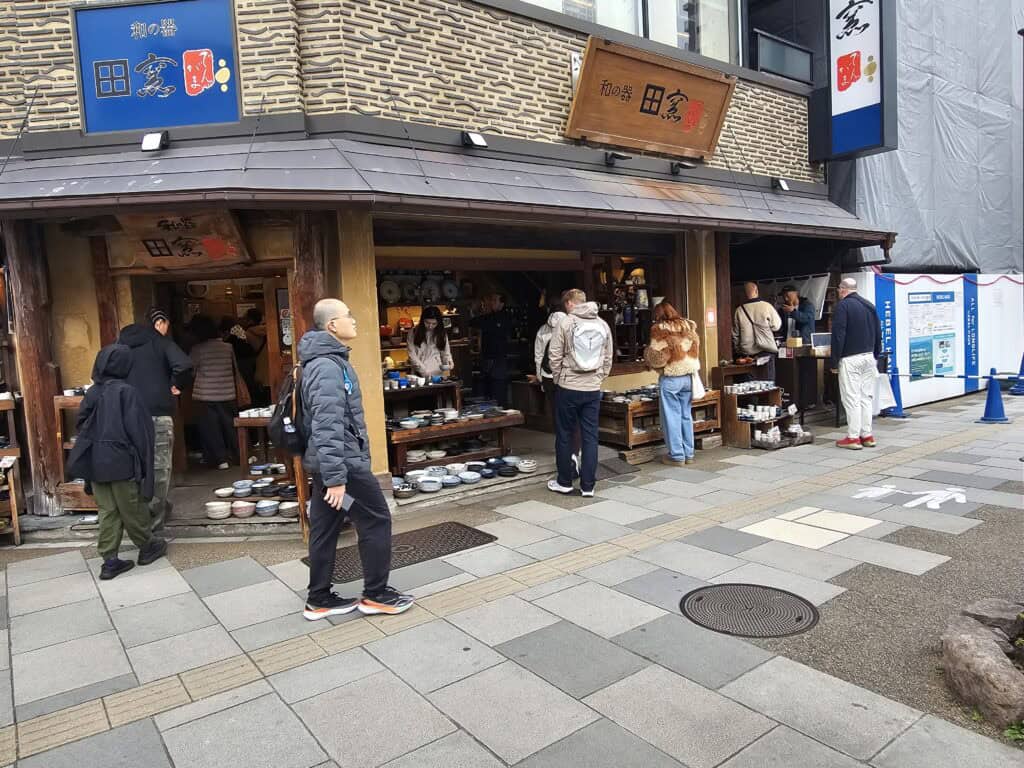
Kappabashi is often called “Kitchen Town” because of the extraordinary variety of tools available.
Visitors will find:
- professional Japanese knives
- cooking pots and pans
- restaurant tableware
- plastic food display models
- kitchen tools used by professional chefs
Many of these shops once served primarily the restaurant industry, but today they also welcome visitors and home cooks from around the world.
Knife Shops and Japanese Craftsmanship
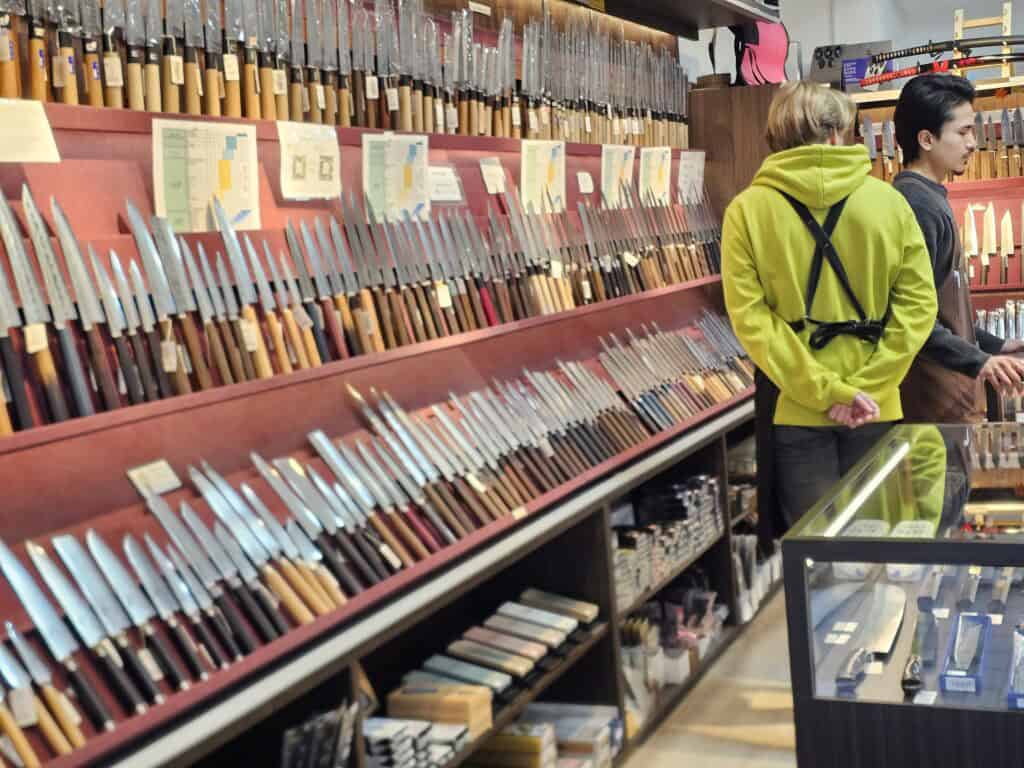
Among international visitors, Japanese knife shops are especially popular.
Many stores demonstrate the sharpness of their blades in front of customers. Shop owners sometimes cut pieces of meat to show how effortlessly the knives slice.
When the blade glides through the meat, visitors often react with an impressed “Wow.”
Japanese knives are highly specialized. Some are designed specifically for meat, others for fish or sashimi, and others for vegetables. Kappabashi is one of the few places where all these different types of knives can be found in one district.
Japan’s Famous Food Replicas
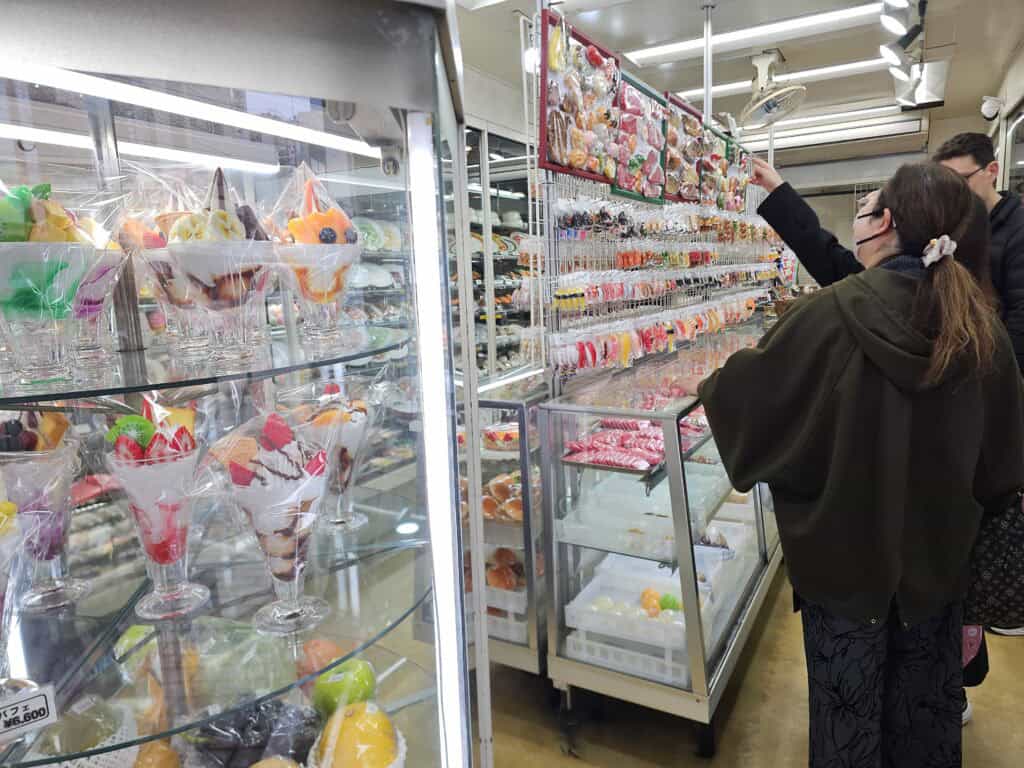
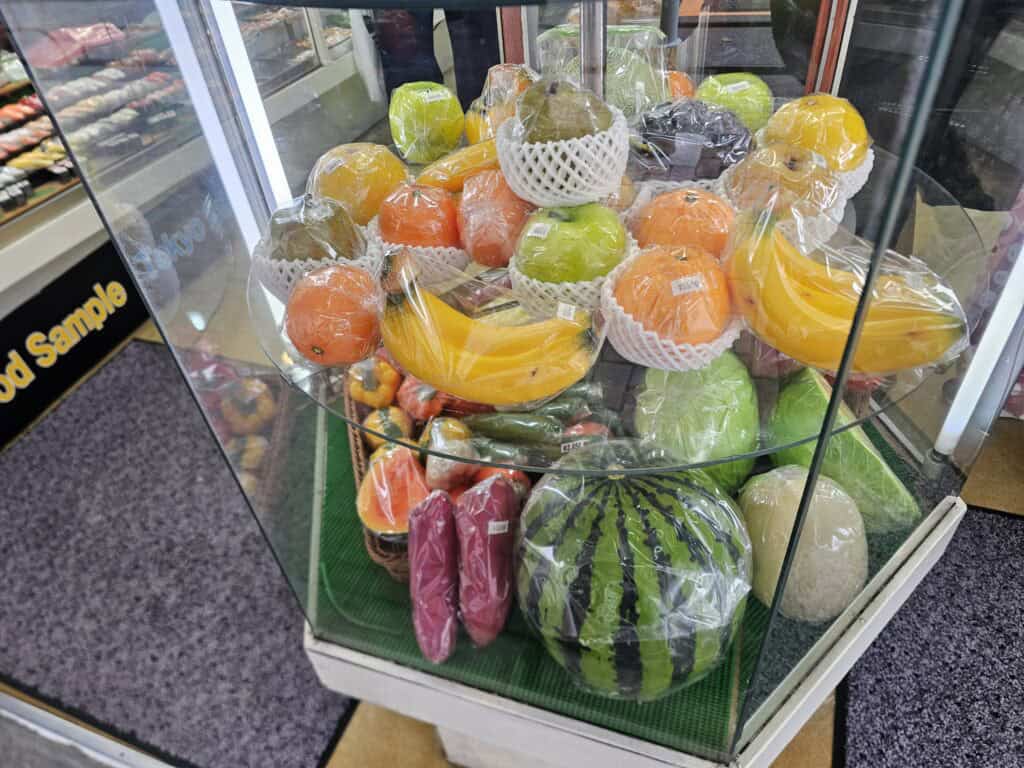
Another highlight of Kappabashi is the shops selling realistic food replicas.
These imitation dishes are made from wax or plastic and were traditionally used by restaurants to display their menus in shop windows.
Today they are also popular souvenirs.
Visitors can find incredibly detailed models of:
- ramen bowls
- sushi plates
- parfaits
- pasta dishes
Unlike the miniature replicas sold at 100-yen shops, the ones in Kappabashi are full-size restaurant models made with professional techniques.
In some cases, the replica fruit can cost around ¥5,000 — sometimes more expensive than the real fruit itself.
Cooking Classes for Visitors
Kappabashi also offers cooking experiences designed for international visitors.
Travel agencies organize classes where participants learn to prepare Japanese dishes such as:
- izakaya-style meals
- okonomiyaki
- sushi rolls
- handmade soba noodles
Under the guidance of instructors, participants cook the dishes themselves and then enjoy the meal afterward.
These classes usually take four to five hours and typically cost between ¥5,000 and ¥10,000.
A Must-Visit Store: Iidaya
One of the most famous shops in Kappabashi is Iidaya.
The store carries more than 8,500 types of kitchen tools and is often described as a paradise for cooking enthusiasts. Professional chefs and home cooks from around the world visit the shop.
Even visitors who do not plan to cook may enjoy exploring the wide variety of unusual cooking gadgets.
The shop is open year-round, and items can be purchased individually.
Getting There
The most common access point is Tawaramachi Station on the Ginza Line, about a five-minute walk away.
However, if you are already in the entertainment area near Don Quijote Asakusa, there is a quicker route.
Stand in front of Don Quijote with the police box behind you and walk straight past the left side of the building. Continue forward and you will soon reach Kappabashi Street.
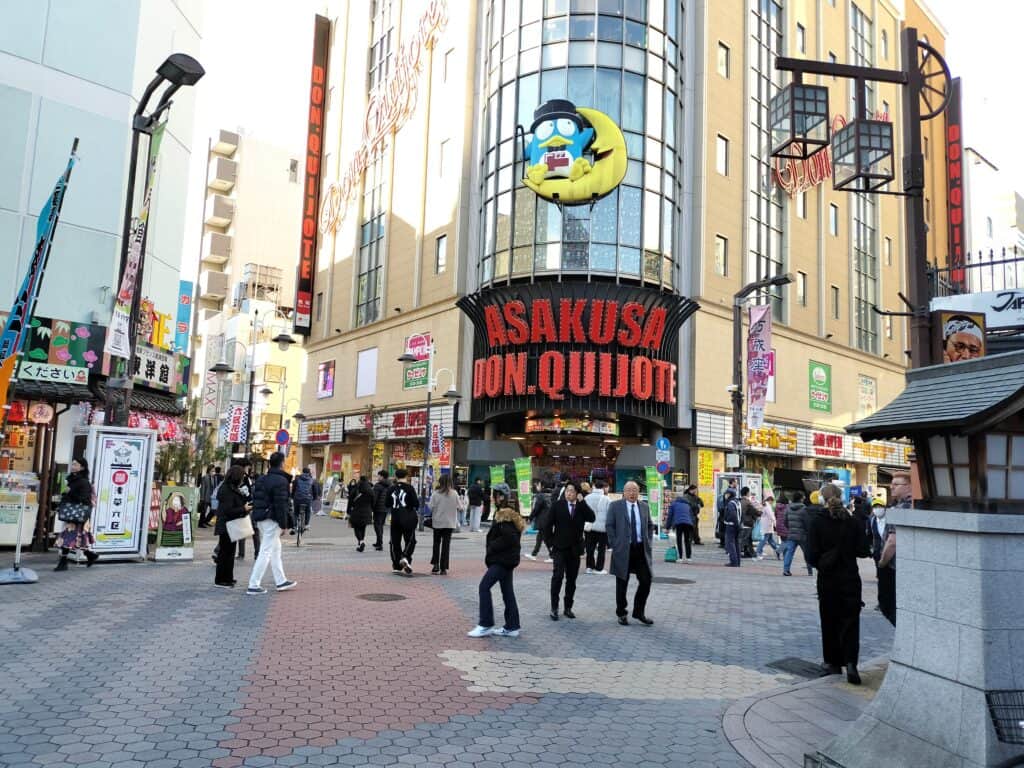
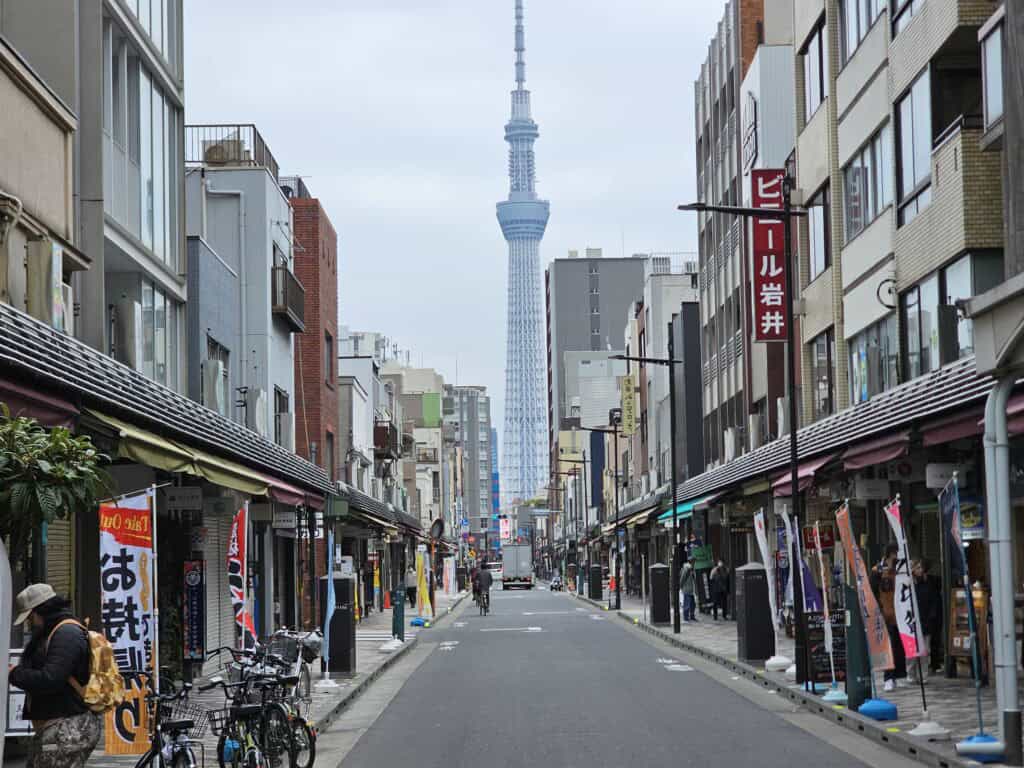
On the way back, look for the side street where you can see Tokyo Skytree in the distance. Walking toward the tower will bring you back to Don Quijote.
Opening Hours
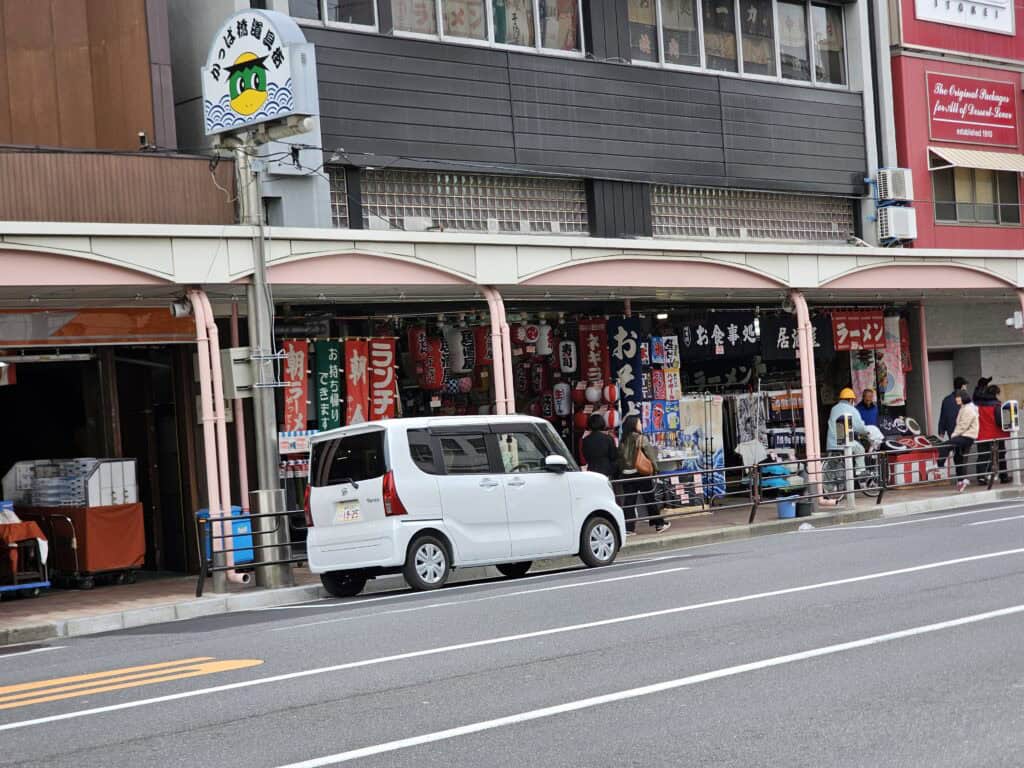
Most shops in Kappabashi operate roughly between
10:00 and 17:00
although individual shops may have different closing days.
The Rooftop Chef View
If you look carefully while walking along Kappabashi Street, you may notice that the famous giant chef statue on the Niimi building is not just a decoration.
From certain angles, the chef appears to be looking down the street as if welcoming visitors into Kitchen Town.
Because of this, many visitors treat the statue as an unofficial “gatekeeper” of Kappabashi. People often stop nearby to take photos with the chef watching over the street.
It has quietly become one of the most photographed landmarks in the district. The giant chef statue stands at the southern end of Kappabashi Street and becomes visible soon after entering from Tawaramachi Station.
Kajino’s Eye
Kappabashi is only about a ten-minute walk from my family home in Asakusa, so I often passed through the area when I was a child.
When I visited again recently, I was surprised by how many international visitors were there. English signage has increased, and the area is clearly adapting to the growing number of tourists, much like nearby Asakusa.
What struck me most was the difference in visitors. While Nakamise Street in Asakusa attracts many Asian travelers, Kappabashi seemed to have more visitors from Europe and North America.
The knife shops were especially crowded. In one store, the owner gathered several foreign visitors and demonstrated the sharpness of a knife by slicing meat. When the blade slid cleanly through, a chorus of “Wow” echoed around the shop.
It was a small moment, but it perfectly captured why Kappabashi fascinates so many visitors.