
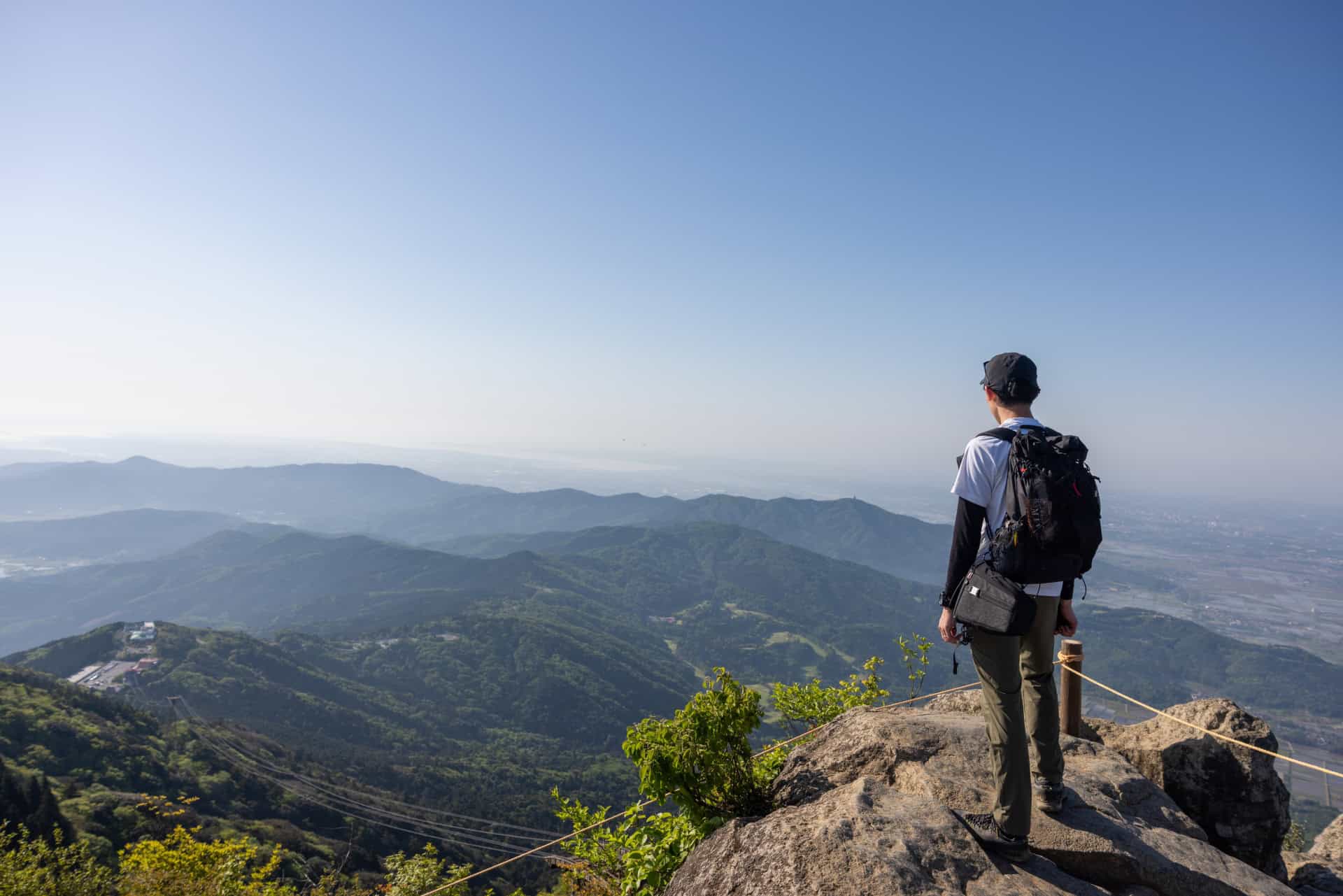
While Takao-san drowns in foreign tourists, Mt. Tsukuba remains virtually undiscovered—I encountered just five foreigners during my entire visit in a week day of October 2025. This twin-peaked mountain sits only 80 minutes from Akihabara, features cable car and ropeway access for all fitness levels, and offers enchanted forest trails through pristine Japanese nature. Complete this guide’s model itinerary for under ¥6,000 including transportation, mountain access, and meals.

Five Reasons Mt. Tsukuba Surpasses Tokyo’s Crowded Alternatives
- Unmatched Accessibility: Akihabara → Tsukuba Station (45min) → Shrine Entrance (35min bus) = 80 minutes total
- Universal Mountain Access: Twin peaks (871m & 877m) both accessible via cable car/ropeway—families with infants easily reach summits
- Beginner to Expert Trail Diversity: Three climbing routes plus three hiking courses—from Ghibli-like enchanted forests to advanced rocky terrain
- Foreign Visitor Vacuum: My census: 5 foreigners total across entire mountain. Mukae-ba Course (60min): 30 hikers encountered, 100% Japanese. Compare to Takao-san’s international crowds.
- Year-Round Operations: Never closes—spontaneous visits always possible. Tsukuba never closes and rarely experiences snowfall—spontaneous visits possible year-round with standard hiking gear. Unlike higher altitude alternatives requiring winter equipment and facing seasonal closures, Mt. Tsukuba remains accessible in all seasons.
- No Bear Risk:Low elevation prevents bear habitat—zero bear sightings at Mt. Tsukuba. Takao-san reports multiple bear encounters. Eliminates major wildlife safety concern.
Itinerary


8:22 AM: Depart Akihabara Station Board Tsukuba Express toward Tsukuba Station.
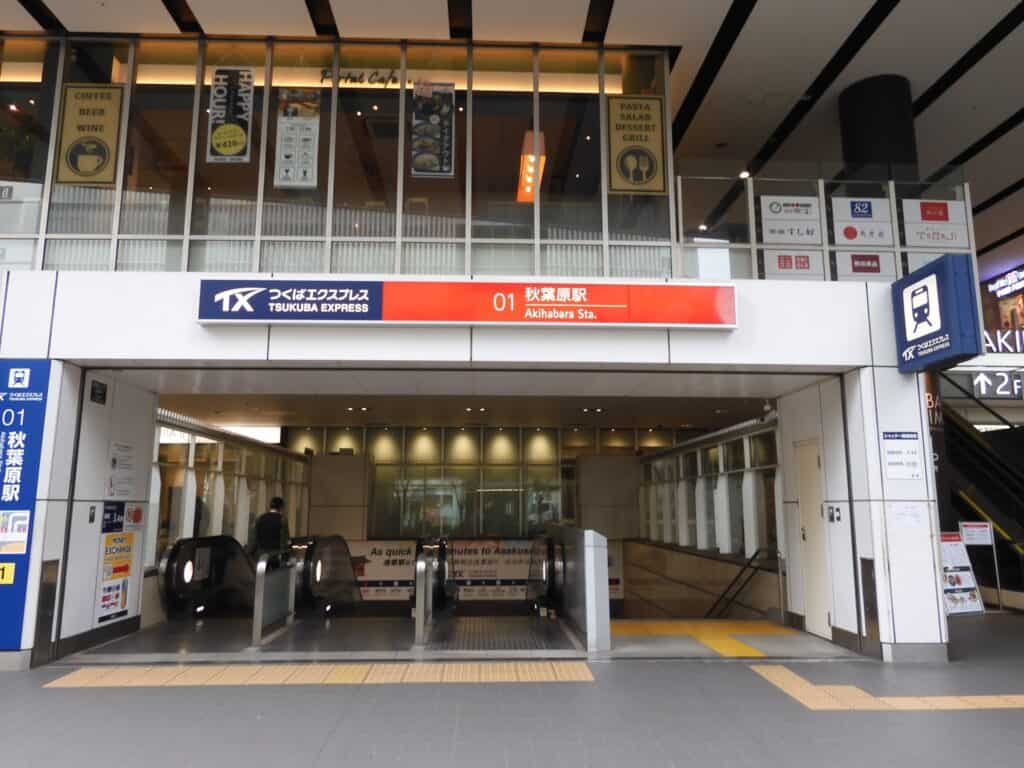
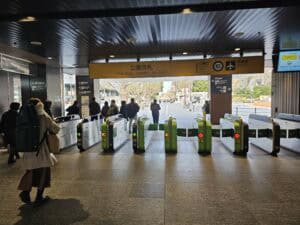
9:19 AM: Arrive Tsukuba Station Underground station—target A4 surface exit. Bus stop #1 immediately outside serves Mt. Tsukuba routes
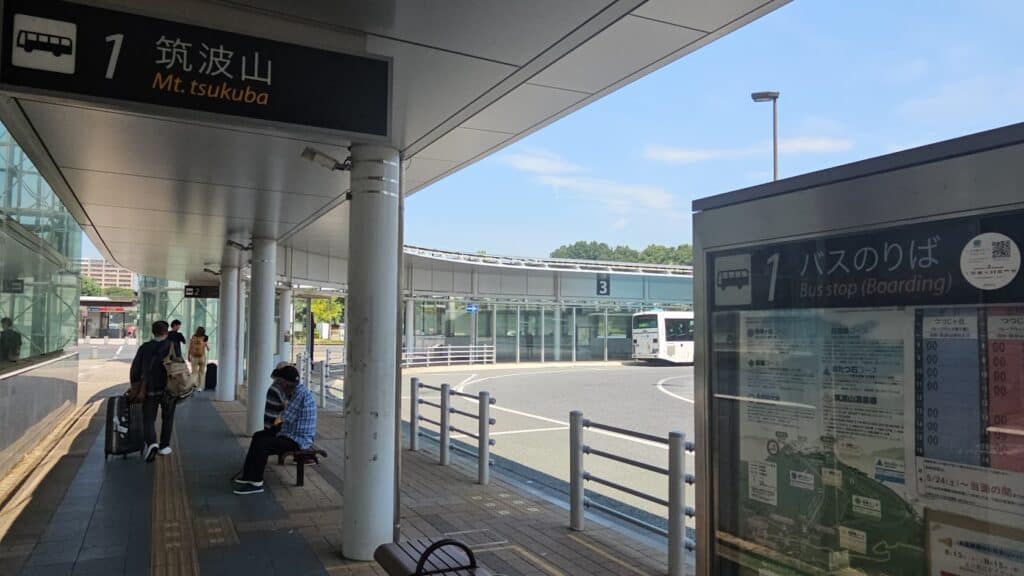
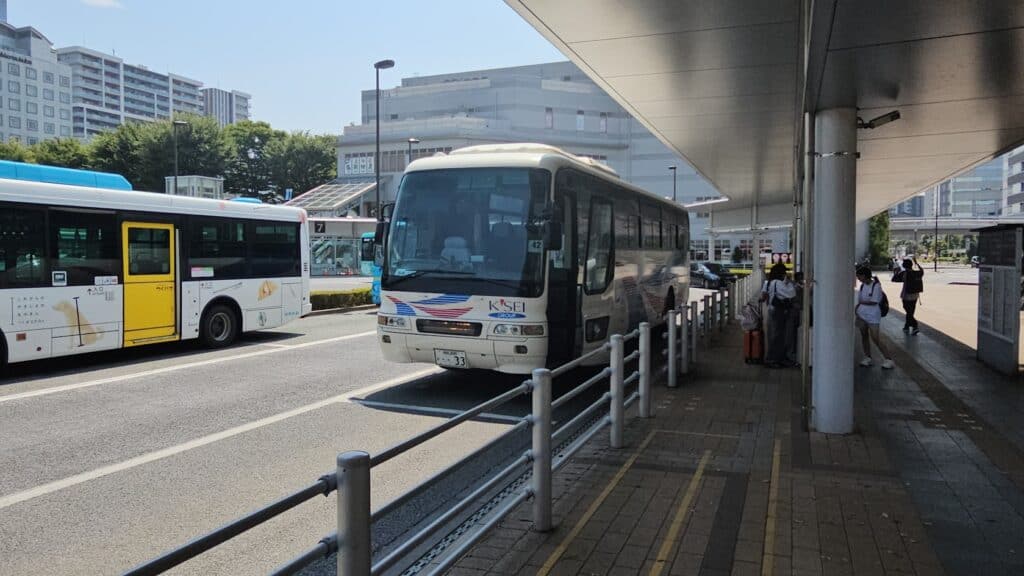
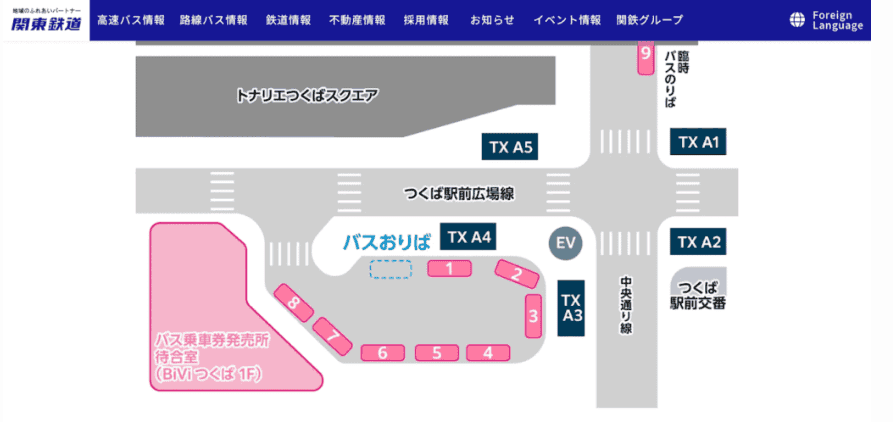
Bus Schedule & Stops
Mt. Tsukuba buses stop at three locations: Numata, Tsukuba Shrine Entrance, and Tsutsuji-ga-oka. This itinerary uses the second stop: Tsukuba Shrine Entrance.
From Tsukuba Station to Mt. Tsukuba:
- First departure: 8:00 AM (weekdays), 7:30 AM (holidays)
- Frequency: approximately every 40-50 minutes
- Final departure: 2:20 PM
From Tsukuba Shrine Entrance to Tsukuba Station:
- Operating hours: 9:20 AM to ~5:00 PM
- Frequency: approximately every 40-50 minutes
Important Note: Holiday first buses often fill to capacity—be prepared to wait for the next departure if unable to board.
9:40 AM: Board Bus From stop #1 to Tsukuba Shrine Entrance
10:18 AM: Arrive Tsukuba Shrine Entrance Tourist Information Center visible. Large torii gate nearby. Pass through torii, walk straight 5 minutes to Tsukuba Shrine (left-side stairs/slope).
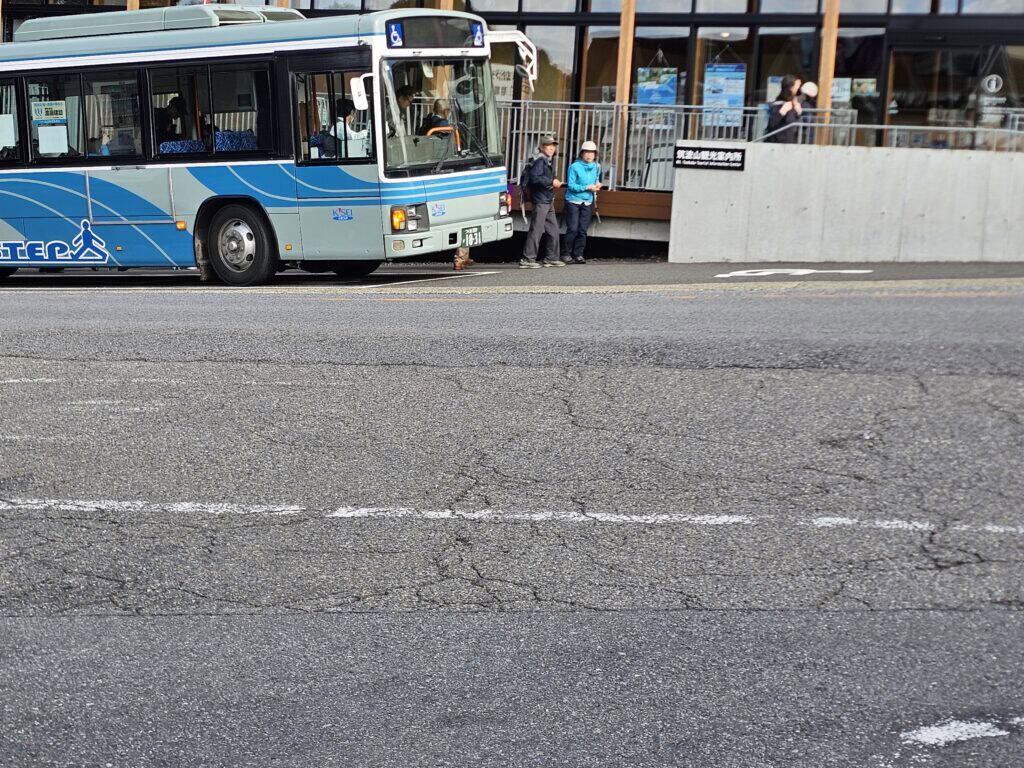
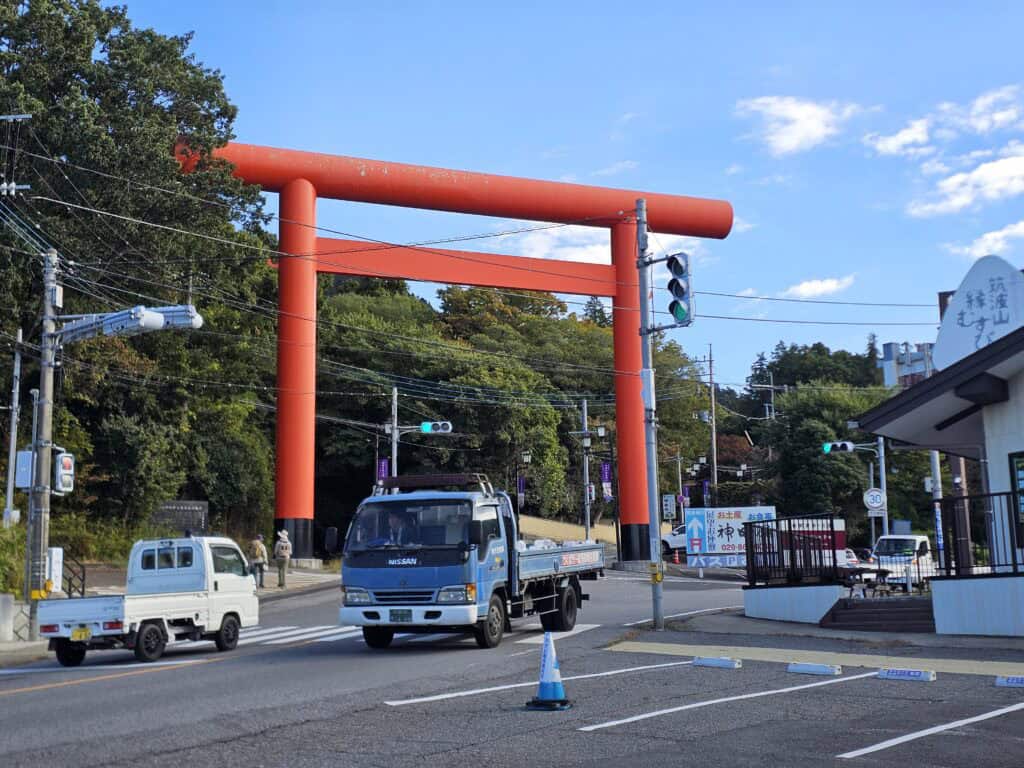
10:30 AM: Reach Tsukuba Shrine
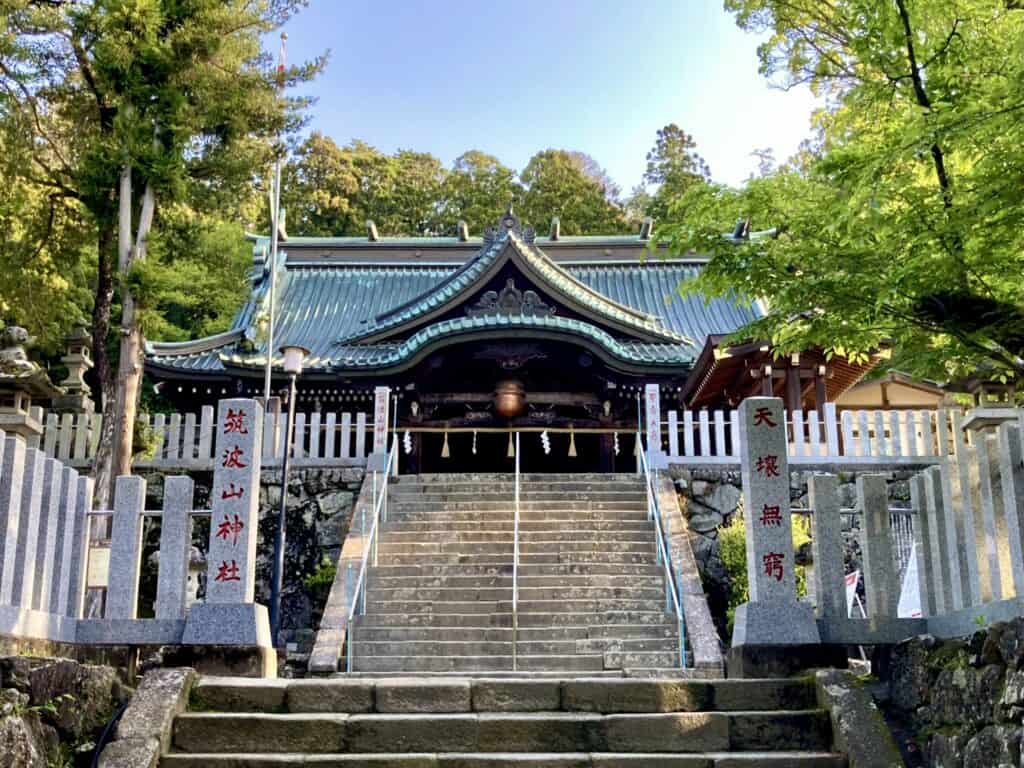
- Left: ropeway station
- Right: Mukae-ba Forest Trail entrance
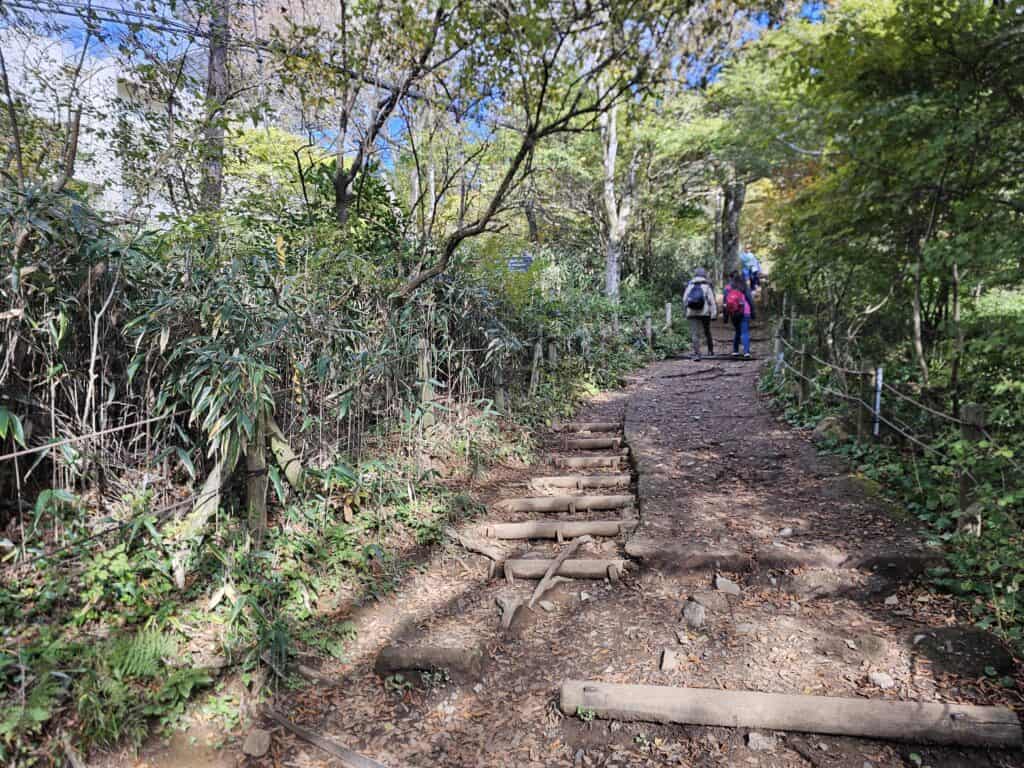
Follow right path to forest trail. Dead-end → left to stairs → descend → left toward gentle slope. Small white torii marks trail entrance. Follow other hikers.
10:40 AM: Begin Mukae-ba Forest Trail Single-path 2.3km Tsukuba Shrine → Tsutsuji-ga-oka
- Continuous gentle uphill (surprisingly strenuous)
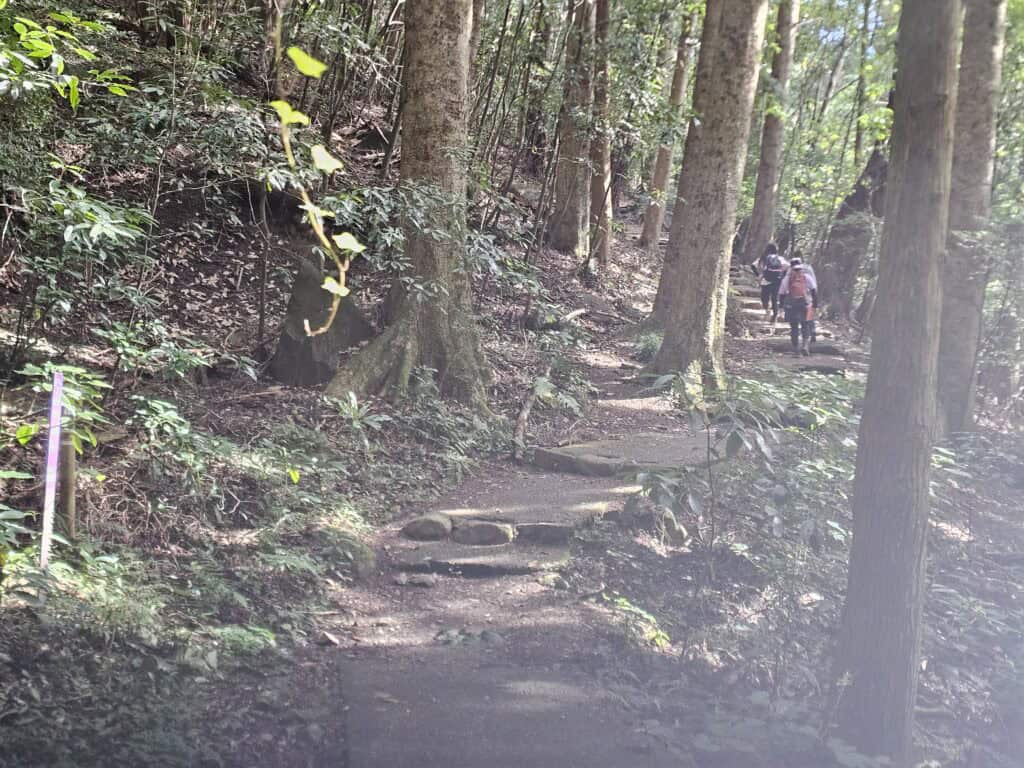
- Standard walker: 40-50 minutes
- Sedentary pace: 80 minutes
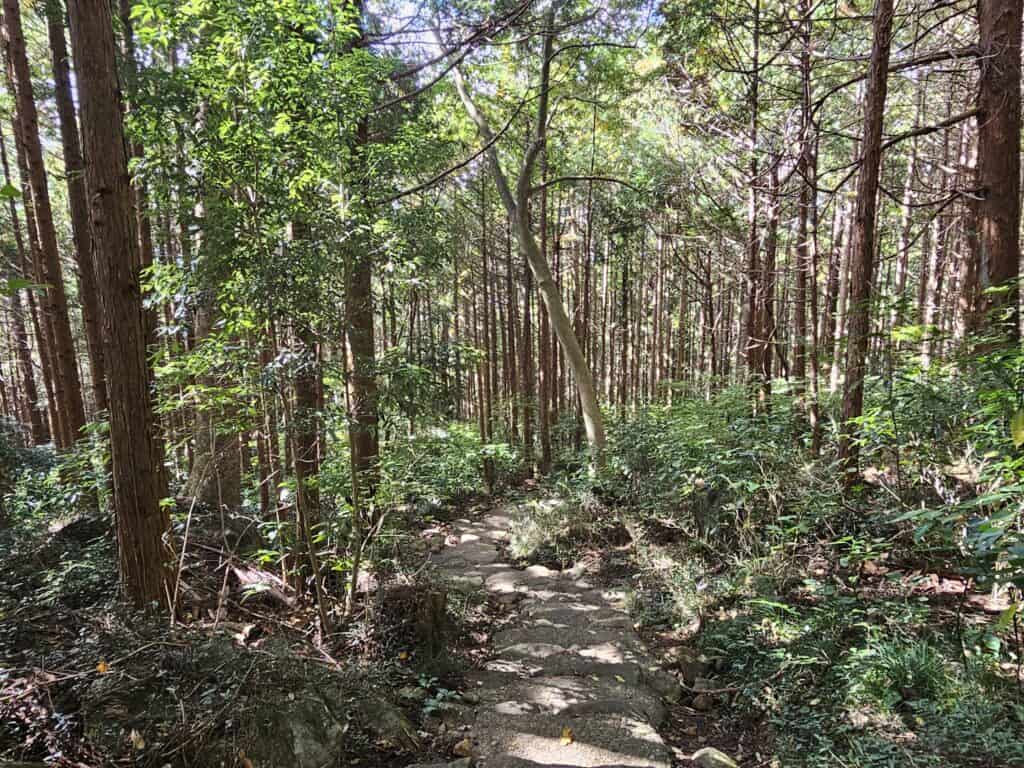
- Mystical tree-enveloped atmosphere
- One fork: choose right path (continuing forest road)
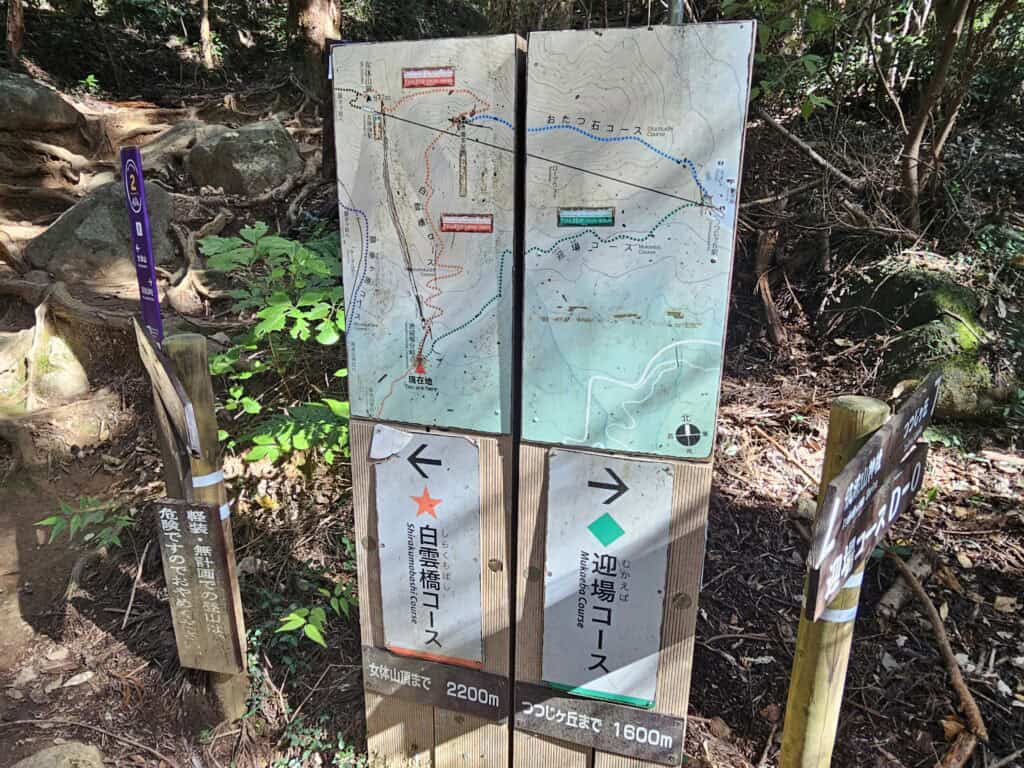
11:40 AM: Arrive Tsutsuji-ga-oka Ropeway Station Board ropeway to Nyotai (Female Peak) summit—6 minutes
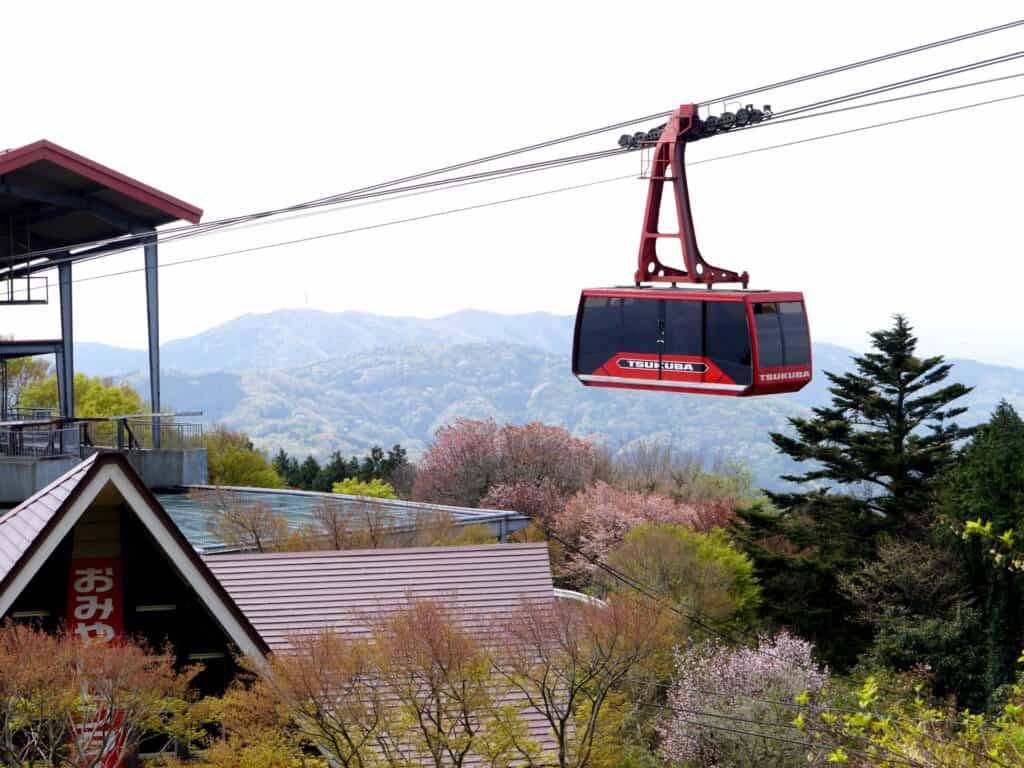
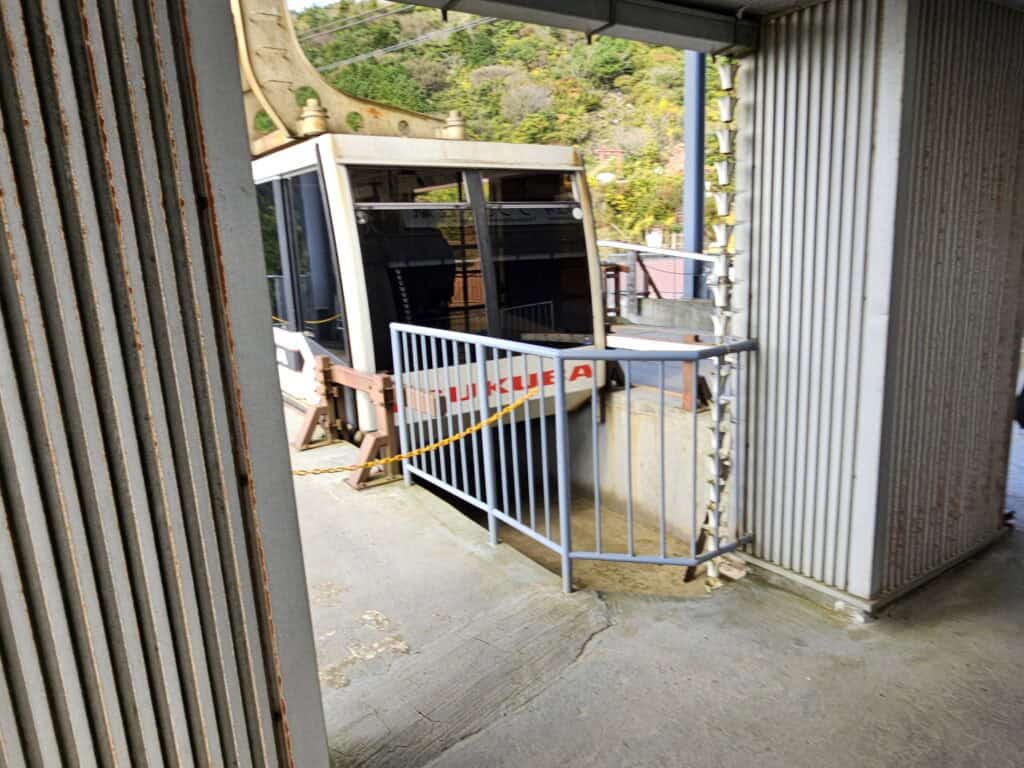
Top Roof
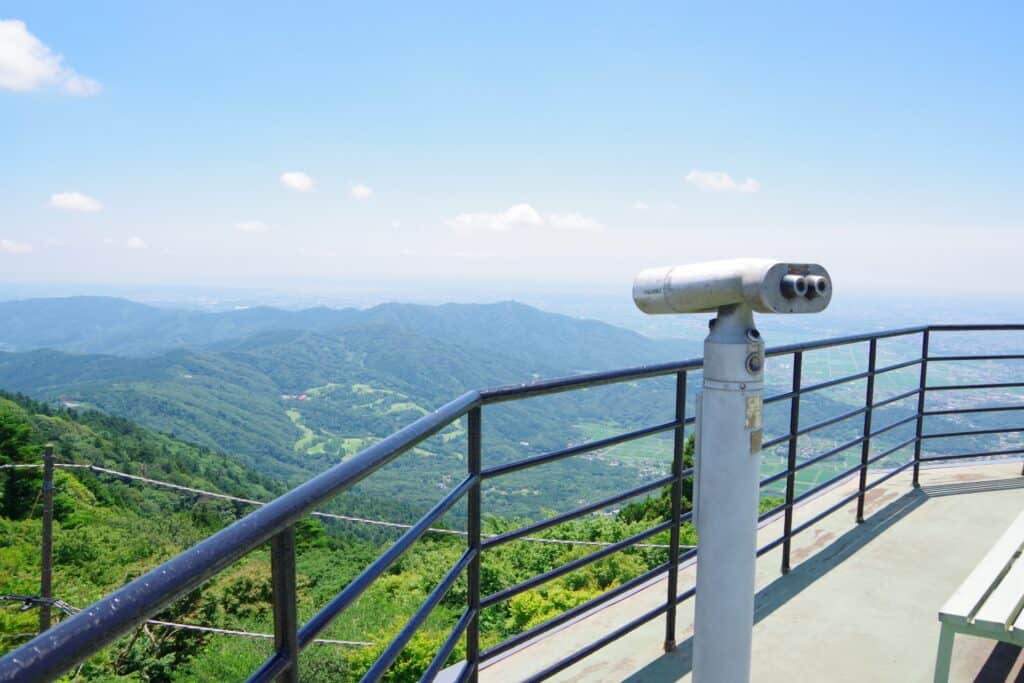
12:00 PM: Summit Views & Lunch Southern Vista: Tokyo skyscrapers, Tokyo Skytree visible Eastern Vista: Lake Kasumigaura (Japan’s 2nd-largest lake)
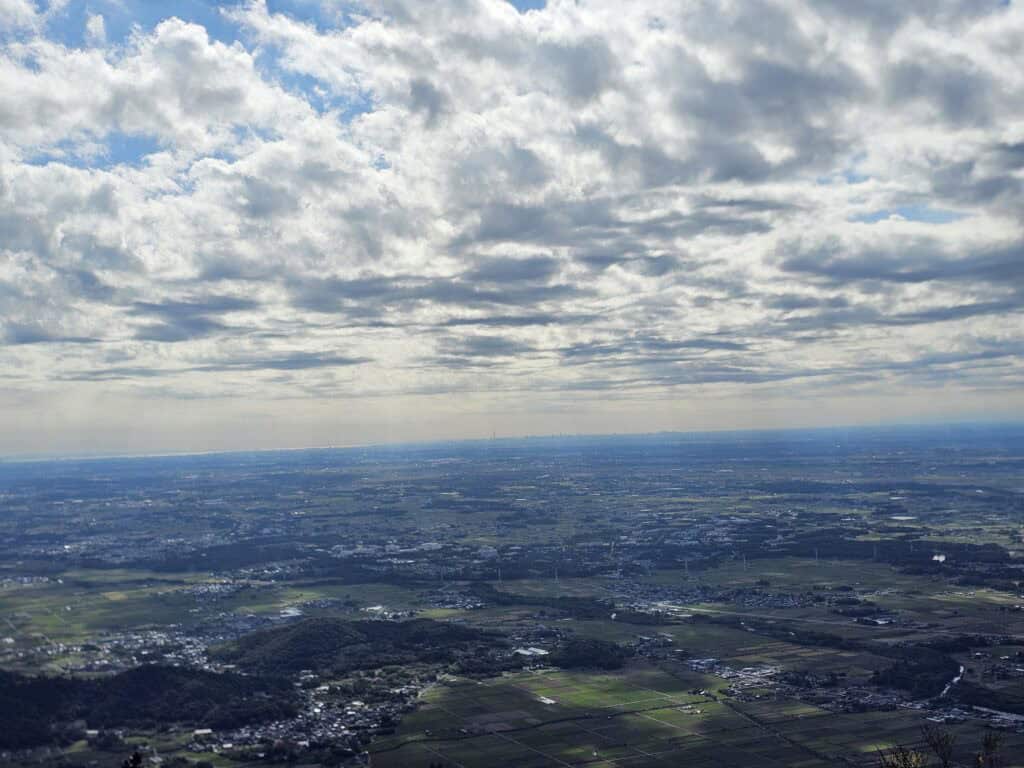
Budget Lunch Strategy: Convenience store egg sandwiches (¥298)—affordable, delicious, portable. Will Smith praised 7-Eleven’s version, bought all convenience store brands to compare: “I can’t believe something this good costs $2-3.”
FamilyMart location: Across from Tsukuba Station ①bus stop
Summit facilities: 5-6 public table-chair sets—enjoy lunch with panoramic views
12:30 PM: Traverse to Nantai (Male Peak) Summit Connecting Path: 800m, ~15 minutes Caution: Steep stone steps (I fell once) Midpoint teahouse: cold bottled tea ¥200
1:00 PM: Nantai Summit Cable car accessibility = moderate weekday crowds
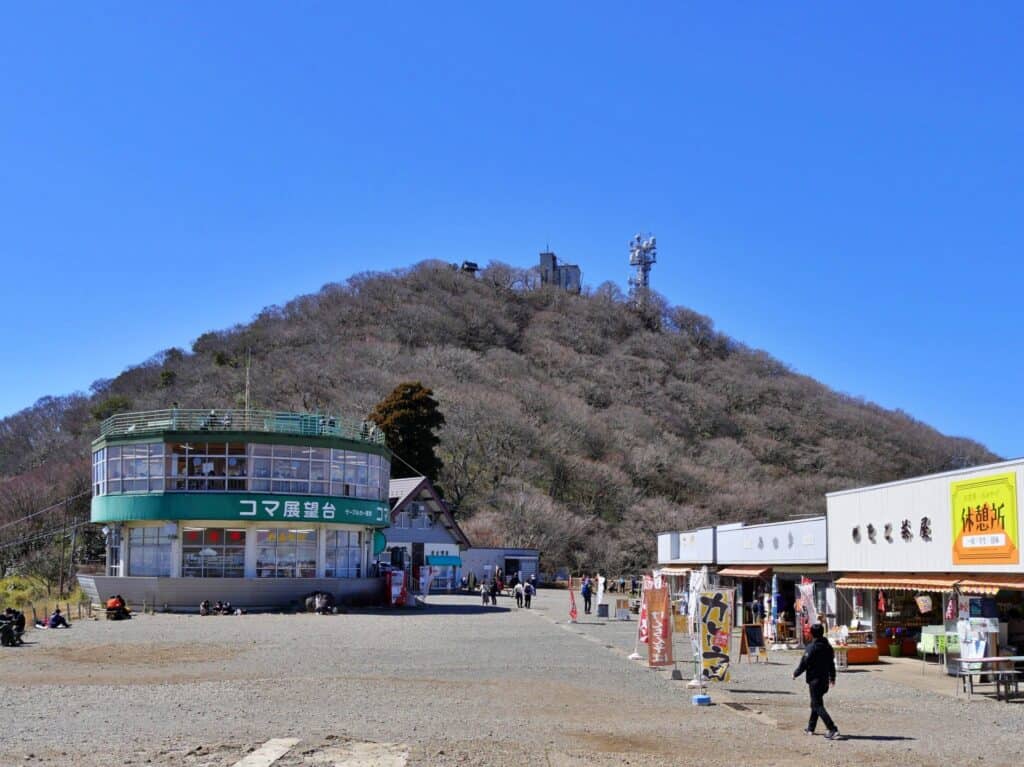
- 4-5 restaurants + souvenir shops
- Designated portable stove area (fire otherwise prohibited)
- Stove rentals + ingredient sets available
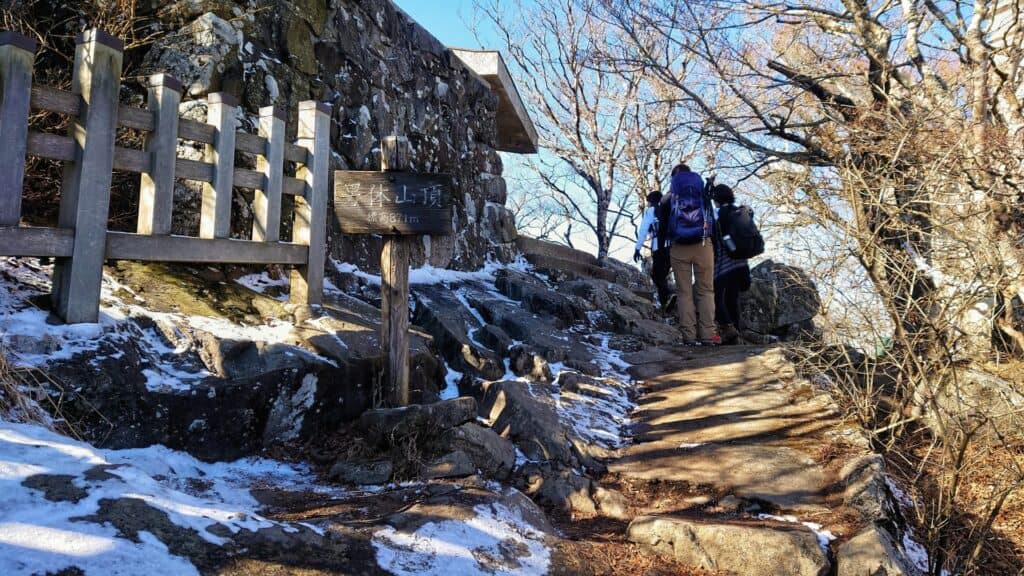
Peak Beyond the Peak: Additional 80m climb reaches absolute summit (steep—attempt optional)
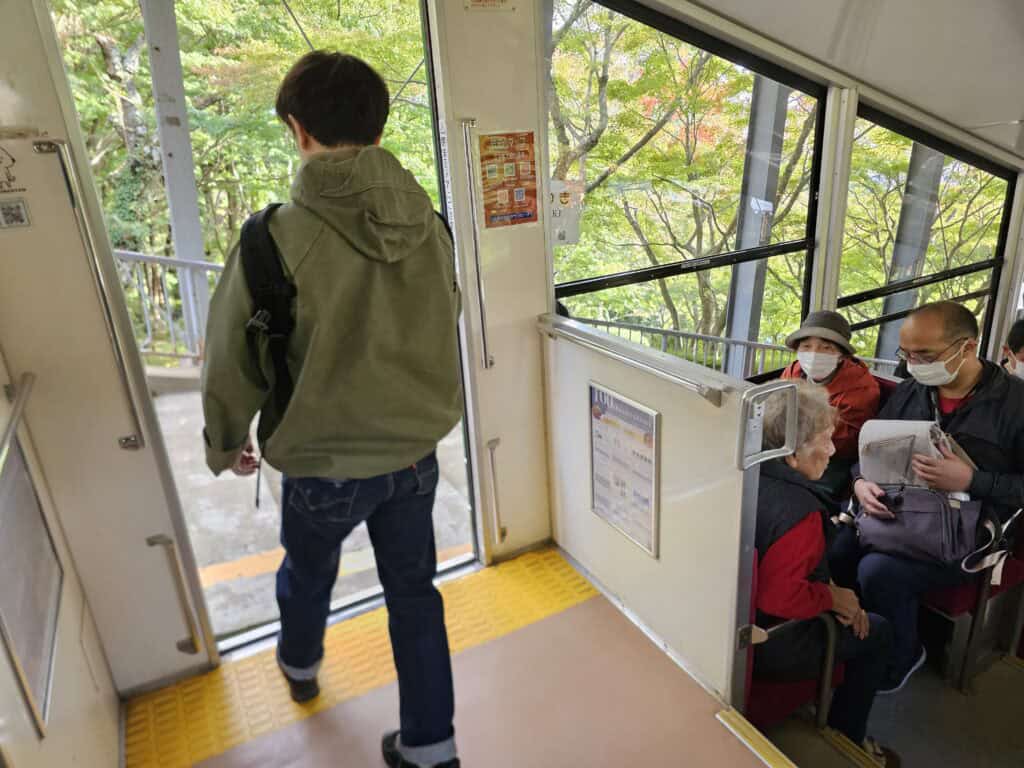
1:30 PM: Cable Car Descent 6-7 minute ride to Tsukuba Shrine Return to bus stop (opposite side of morning arrival)
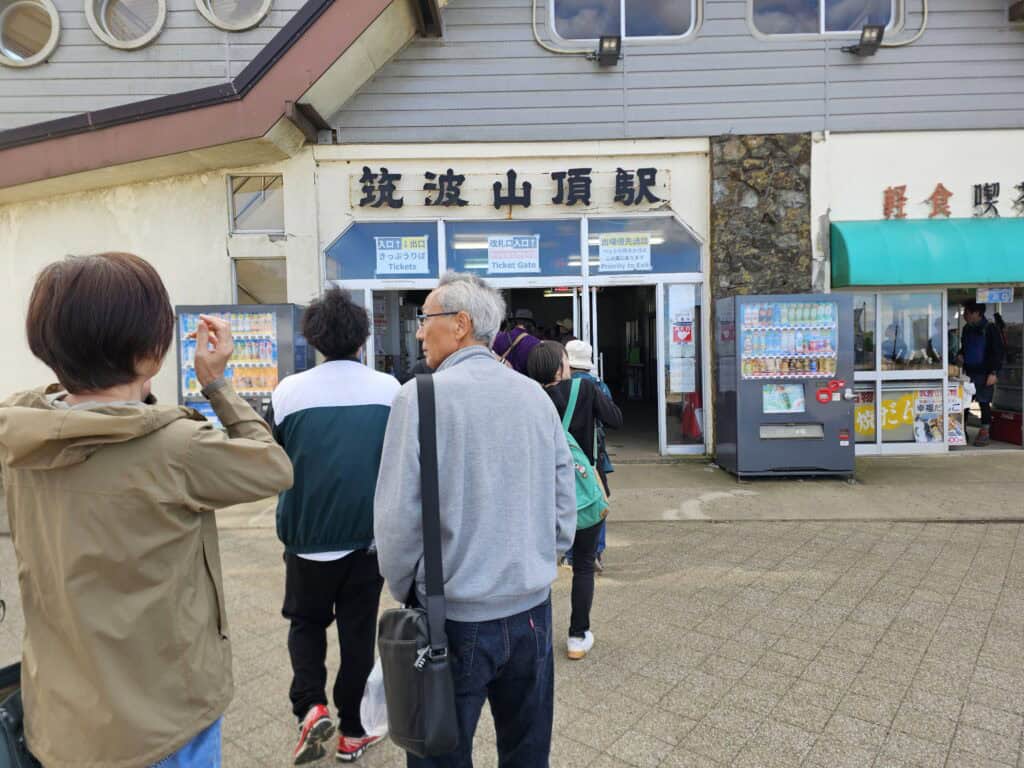
Bound for Tsukuba Station
2:00-2:10 PM: Board Return Bus to Tsukuba Station From Tsukuba Shrine Entrance bus stop (opposite side from morning) Departure time: 2:00-2:10 PM (varies by day of week) Bus arrival at Tsukuba Station: ~2:35-2:45 PM
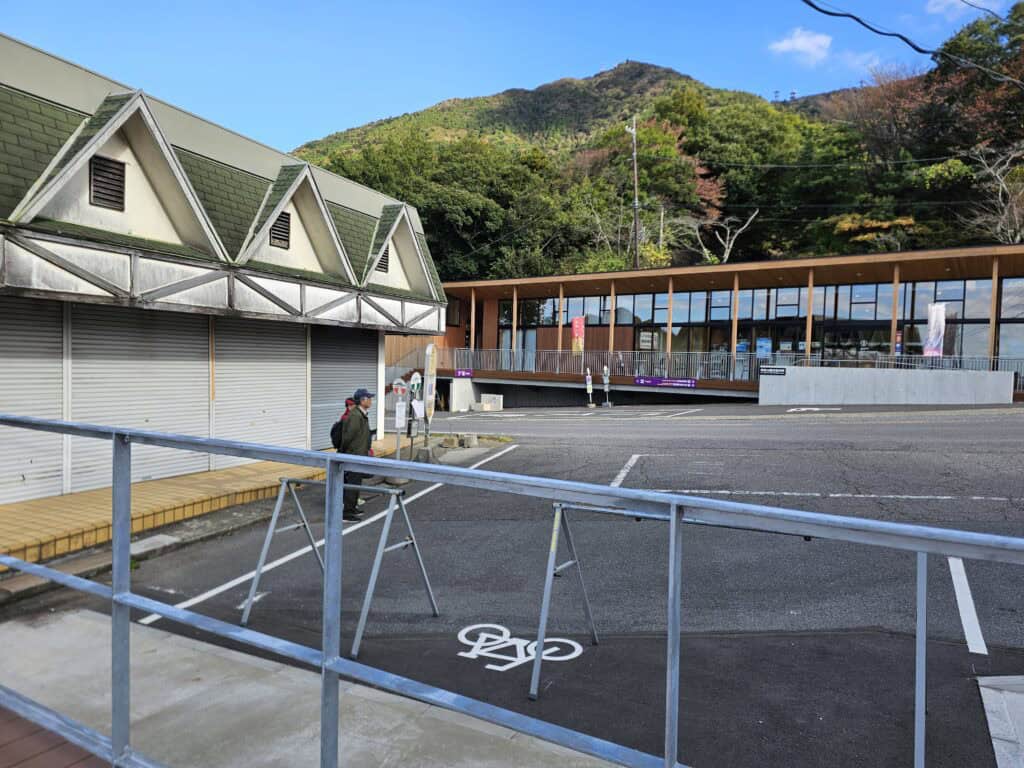
How Much?
Complete Cost Breakdown(Click to Expand)
Transportation:
- Akihabara → Tsukuba: ¥1,210
- Bus to Shrine: ¥770
- Bus return: ¥770
- Tsukuba → Akihabara: ¥1,210
Mountain Access:
- Ropeway (Tsutsuji-ga-oka → Nyotai): ¥750
- Cable car (Nantai → Shrine): ¥590
Food/Drink:
- Egg sandwich: ¥298
- Tea 500ml: ¥129
- Summit tea: ¥200
TOTAL: ¥5,927 (~$40 USD) </details>
Your Choice
Miyukigahara Course (Nantai, Advanced)
Distance: ~2.0km | Elevation: ~610m | Time: 90min up / 70min down
Follows cable car route from Tsukuba Shrine to Nantai summit. Witness cable cars passing, discover Minano River source. Significant elevation gain = steep, rocky challenge. Advanced climbers only.
Mukae-ba Course (Nyotai, Beginner-Friendly)
Distance: ~2.3km | Elevation: ~190m | Time: 40min up / 35min down
Links Tsutsuji-ga-oka with Sakamukaeba Junction. Minimal rocks = easy course. From junction: merge toward Nyotai or descend to Shrine. Featured in this itinerary.
Otatsu Rock Course (Nyotai, Short Connector)
Distance: ~1.0km | Elevation: ~200m | Time: 40min up / 35min down
Short route: Tsutsuji-ga-oka → Benkei Ruins. Switch to Shirakumo Bridge Course for summit. Optimal for one-way ropeway use.
Nature Research Path (Nantai, Scenic Loop)
Distance: ~1.5km | Elevation: ~70m | Time: 60min
Circular route around Nantai summit. Special Protection Zone beech forests. Observation deck: Kanto Plain panoramas—Tokyo Skytree, Mt. Fuji sometimes visible.
Summit Connecting Path (Both Peaks)
Distance: 300m (Nantai) + 800m (Nyotai) | Time: 15min each
Links 871m Nantai & 877m Nyotai. Azalea and katakuri colonies. Featured in this itinerary.
What You Should Know About
Essential:
- Movement-friendly clothing (avoid cotton such as jeans—opt for quick-dry materials)
- Trekking pants ideal (available at Workman for ~¥1,500, all sizes)
- Solid-soled sneakers (ropeway-only) or hiking boots (trails)
- Layering system (summit cooler than base)
Seasonal Notes:
- Summer: sun protection despite cool summits
- Autumn: cold-weather layers for temperature swings
Budget Gear: Workman
Japanese workwear retailer offers outdoor clothing at 1/10th to 1/7th luxury brand prices:
- Protective/climbing gear, down jackets: under ¥10,000
- Shirts/innerwear: ¥1,000-¥2,000
- Trekking pants: ~¥1,500 (all sizes)
- Climbing pants: ¥2,000
- Trekking shoes: ¥3,000
High fashion appeal, exceptional durability. TV coverage showed foreign visitors bulk-purchasing fan-jackets. Quality rivals Uniqlo, performance exceeds branded alternatives.

What Will You Do after Mountain Trip?- Suggestions
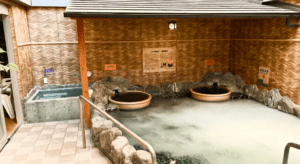
🌟 Option 1: Tsukuba-no-Yu Hot Spring (¥1,000-¥1,200)
Location: ~1km from Shrine bus stop
Condition: Recently renovated—pristine (ignore dated YouTube videos showing old facilities)
Features:
- General onsen: ¥1,000
- Private family baths (tattoo-friendly, web reservation required)
- Towel rentals: ¥100 each
Access:
Access:
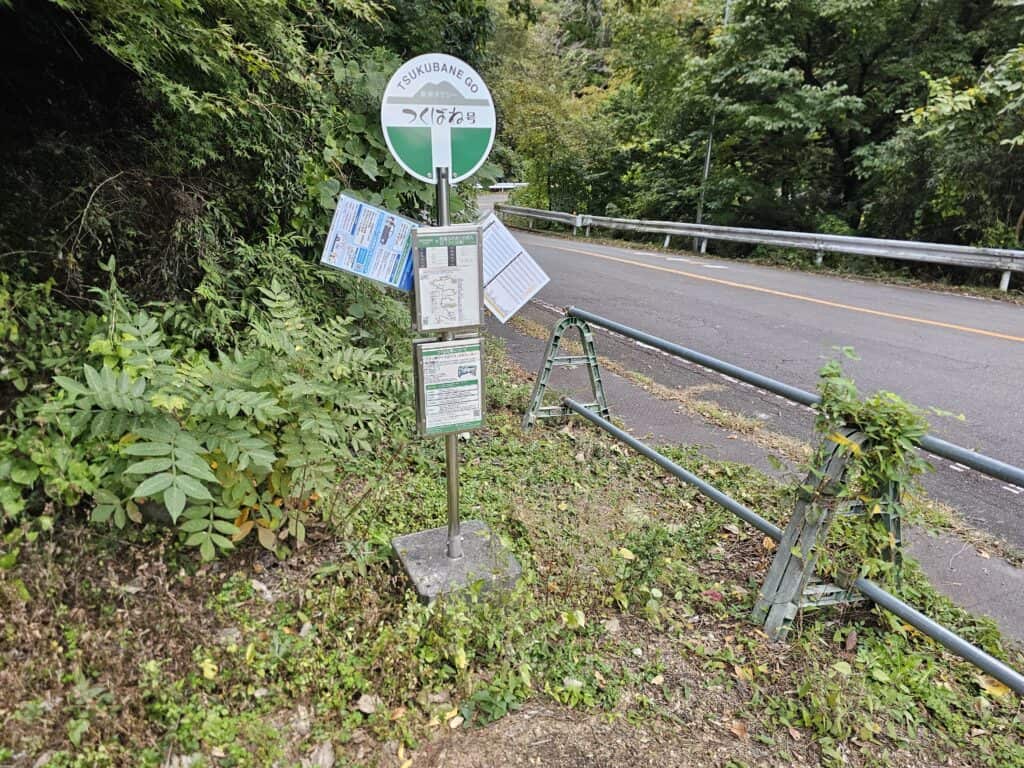
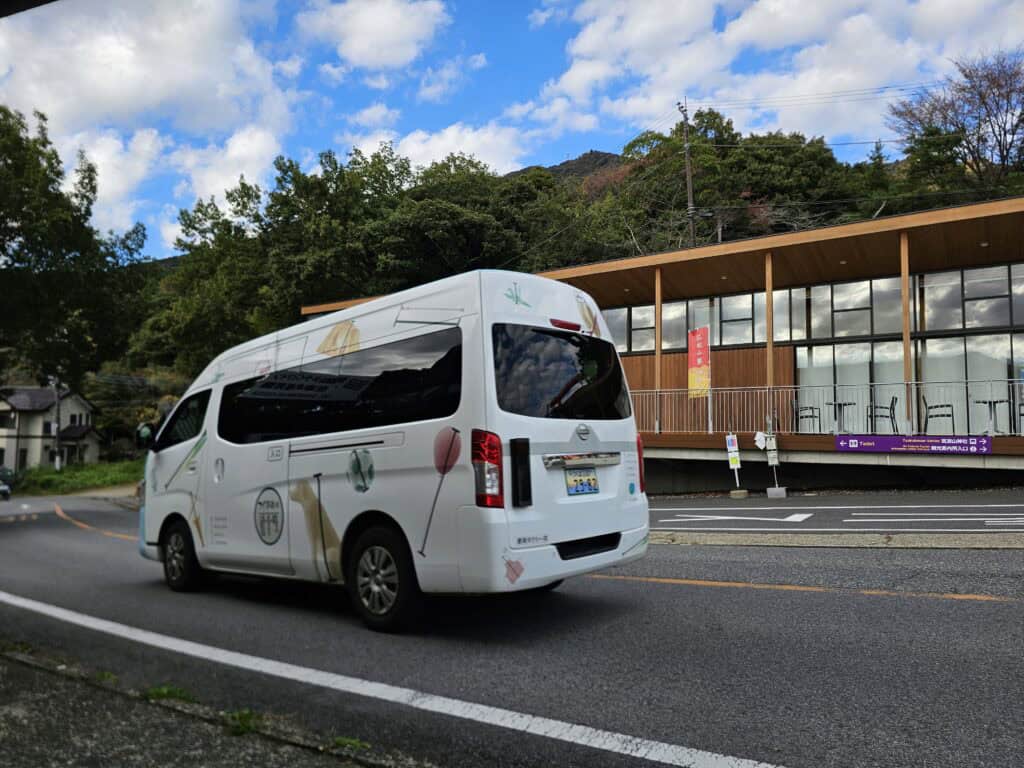
- Outbound: Tsukubane mini-bus from Tsukuba Shrine bus stop—2-3 minute ride, stop immediately adjacent to facility
- Return: Tsukubane to transfer point (bus stop directly in front of Tsukuba-no-Yu) → Tsukuba Station-bound bus
Note: Small bathtub/washing areas (business hotel scale). Weekdays spacious, holidays potentially crowded. </details>
🌟Option 2: Michi-no-Eki Joso (Japan’s #1 Roadside Station)
National Fame: Most popular among ~1,200 roadside stations nationwide—consistent TV coverage
Distance: 13km from Tsukuba (toward Tokyo)
Star Attractions:
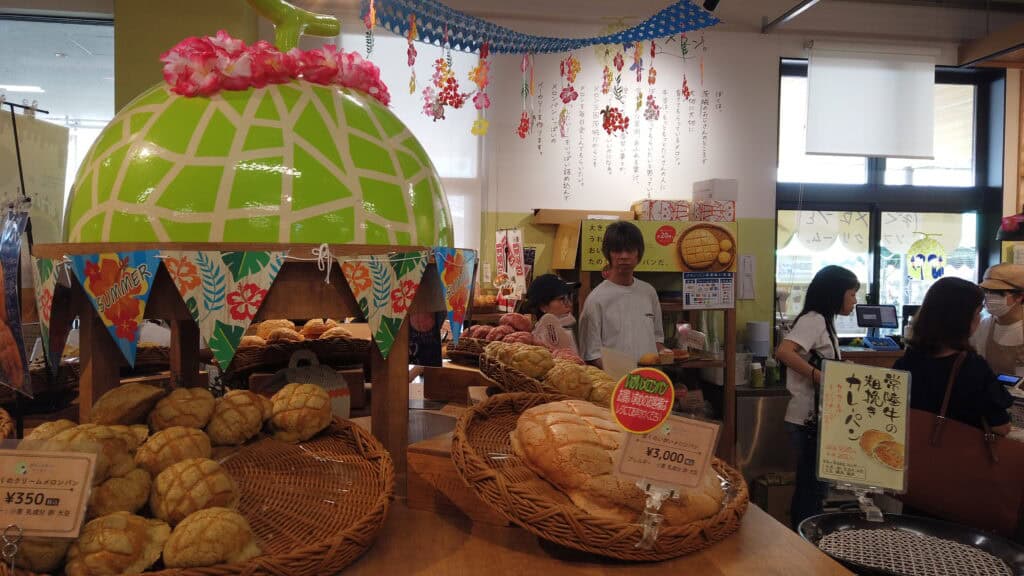
- Guinness World Record: 9,390 melon breads sold in 8 hours
- Instagram-worthy dining: peaked seafood bowls, tableside blowtorch pancakes, premium egg parfaits
- Pristine onsen facilities
- Children’s indoor play area + Starbucks
Ibaraki Food Excellence:
- Hitachi Beef: Premium wagyu
- Melons: National production #1
- Sweet Potatoes: National production #1
Fresh, delicious local ingredients abundant throughout facility.
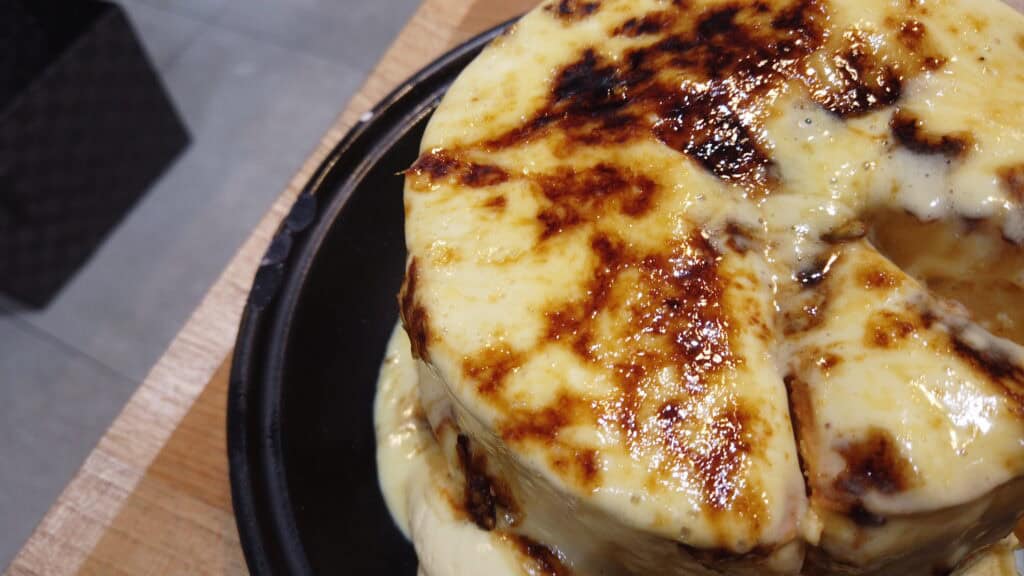
Transportation: Taxi only (no bus service)
- Tsukuba → Joso: ¥5,000-¥6,000
- Return options:
- Tsukuba Station: ~¥5,000-¥6,000
- Midorino Station (closer to Tokyo): ¥4,000-¥5,000
- Onsen front desk arranges taxis (confirmed)
- Cost-effective for 3-4 person groups
Why Worth the Detour: Japan’s #1 roadside station + agricultural excellence + Guinness record + onsen = unique experience justifying taxi investment
🌟 Option 3: Asakusa
Access: Tsukuba Express direct—intermediate stop before Akihabara
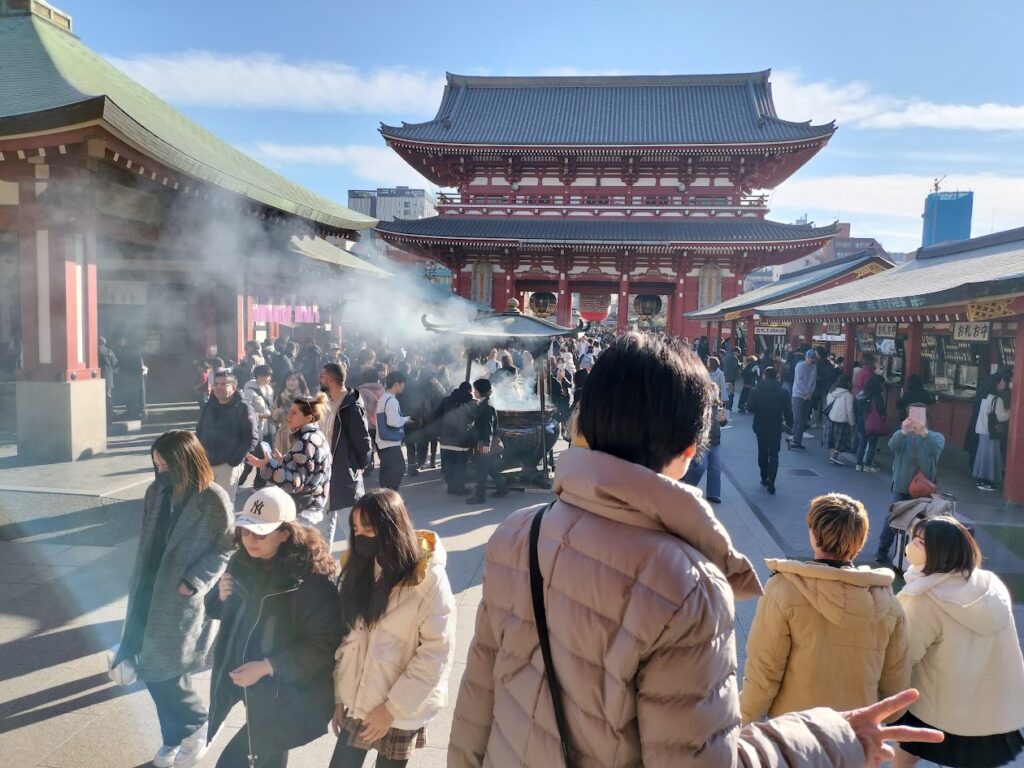
Famous For: Kaminarimon Gate, Nakamise Shopping Street, exceptional food scene
Author’s Born-and-Raised Recommendations:
- Western food: Yoshikami
- Curry udon: Ogi Soba
- Casual Japanese + drinks: Mizuguchi Shokudo
- Cost-performance tempura: Amairo
- Yakiniku (unique harami/hormone): Kinraku
Details are bellow.
Timing: Arrive by 4:00 PM—Nakamise shops close 5:00 PM. Catch 2:30 PM bus from Shrine = ~4:00 PM Asakusa arrival.
🌟 Option 4: Okachimachi / Ueno
Aji-no-Fue (Adjacent to Okachimachi Station):
Reputation: Ameyoko’s freshest fish
Advantages:
- Sashimi/alcohol prices: 60-70% of specialized establishments
- All tuna = hon-maguro (bluefin), never frozen
- Extensive sake selection (parent company Yoshiike supplies)
- Early hours: weekdays 3:00 PM, holidays 2:00 PM
Format: Standing-only, ~1 hour maximum, pre-arranged food pickup from long tables
Location: 5-27-5 Ueno, Taito-ku, 1F-2F
Asakusa or Ueno/Okachimachi represent superior dining options for this itinerary. Akihabara specializes in electronics, anime goods, maid cafes, gaming.


🌟 Option 5: Akihabara




コメント