
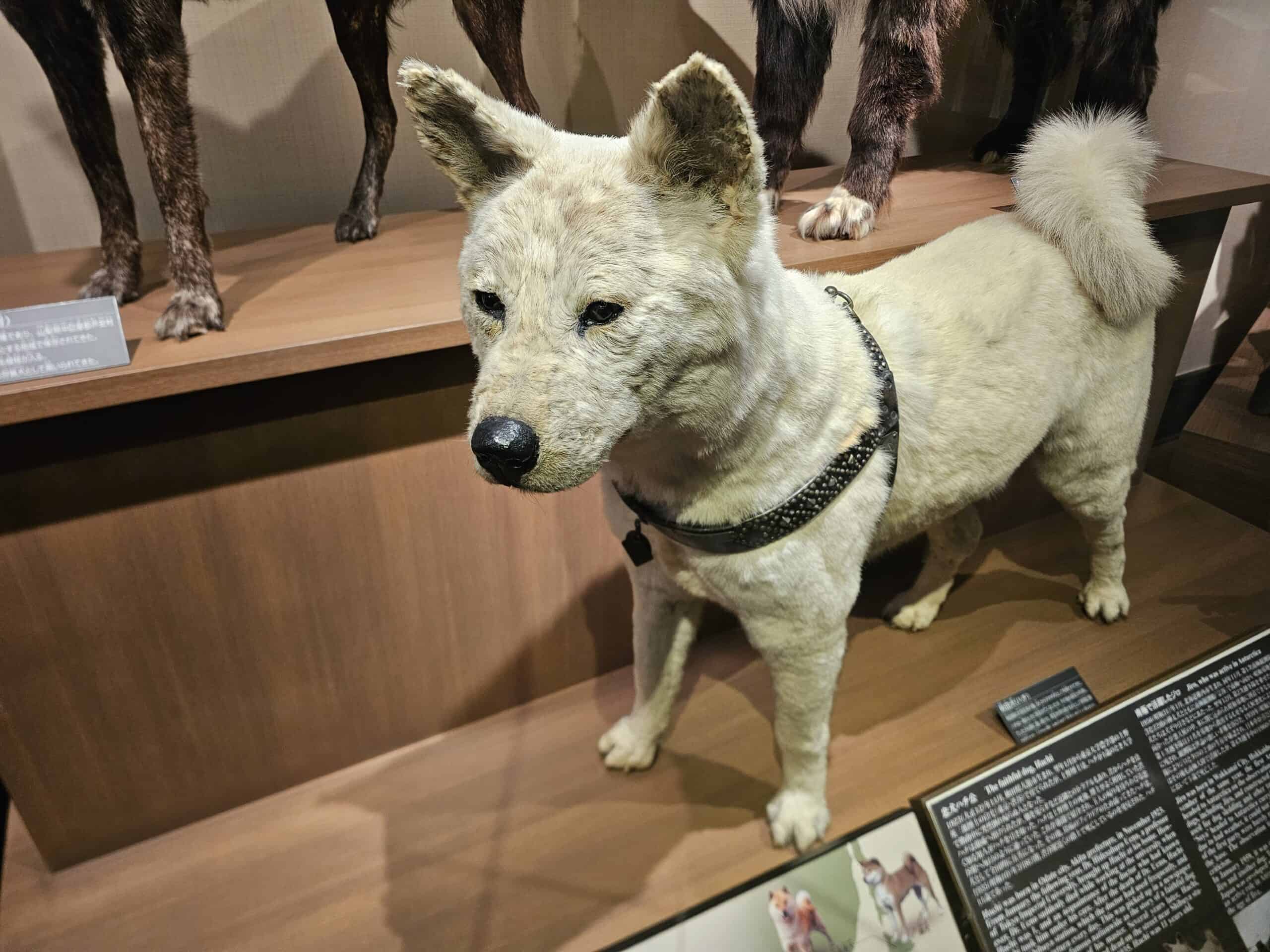
The National Museum of Nature and Science is large.
Very large.
Trying to see everything is the fastest way to enjoy nothing.
If this is your first visit,
1 to 1.5 hours is realistic—and enough.
This guide is about what actually stays with you,
not what looks good on a floor map.
The Two Buildings (Know This First)
The museum is split into two main buildings:
- Japan Gallery
- Global Gallery
They are connected, but mentally very different.
If you understand this split,
you won’t feel lost five minutes in.
Japan Gallery Highlights
Hachiko and Taro (Together)
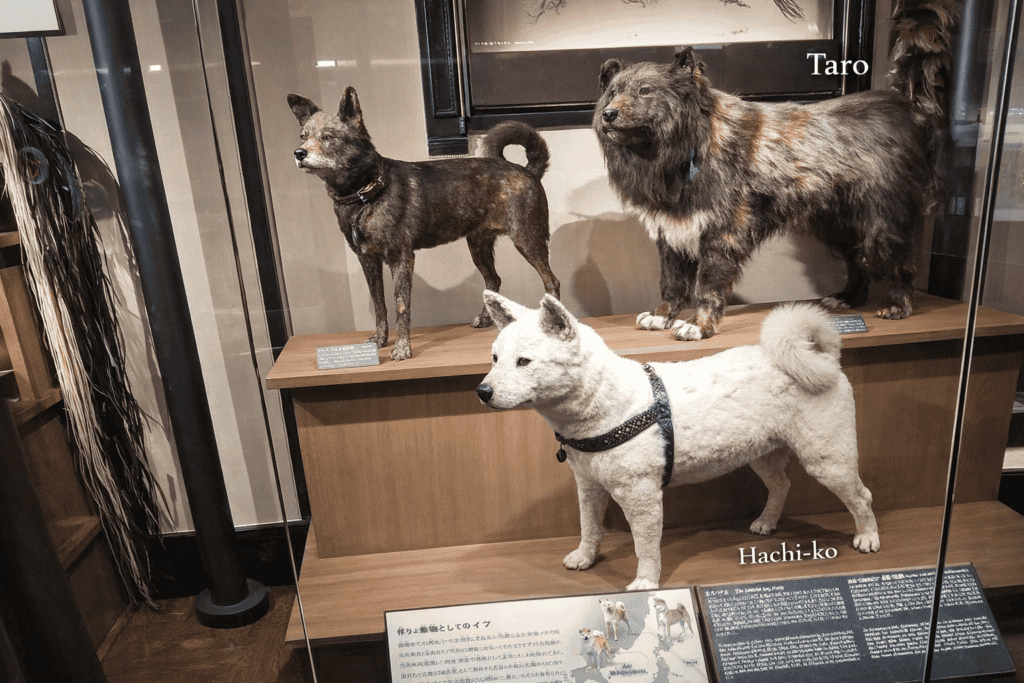
On the second floor, you’ll find Hachiko and Taro displayed side by side.
This is not the Shibuya statue.
This is the real Hachiko.
And Taro—the sled dog from the Antarctic expedition—
is not a movie prop either.
What’s striking is the distance.
Or rather, the lack of it.
They feel closer than expected,
as if they stepped out of a screen and stayed.
(Jiro is not on display here. Don’t look for him.)
A Dinosaur Born in Japan
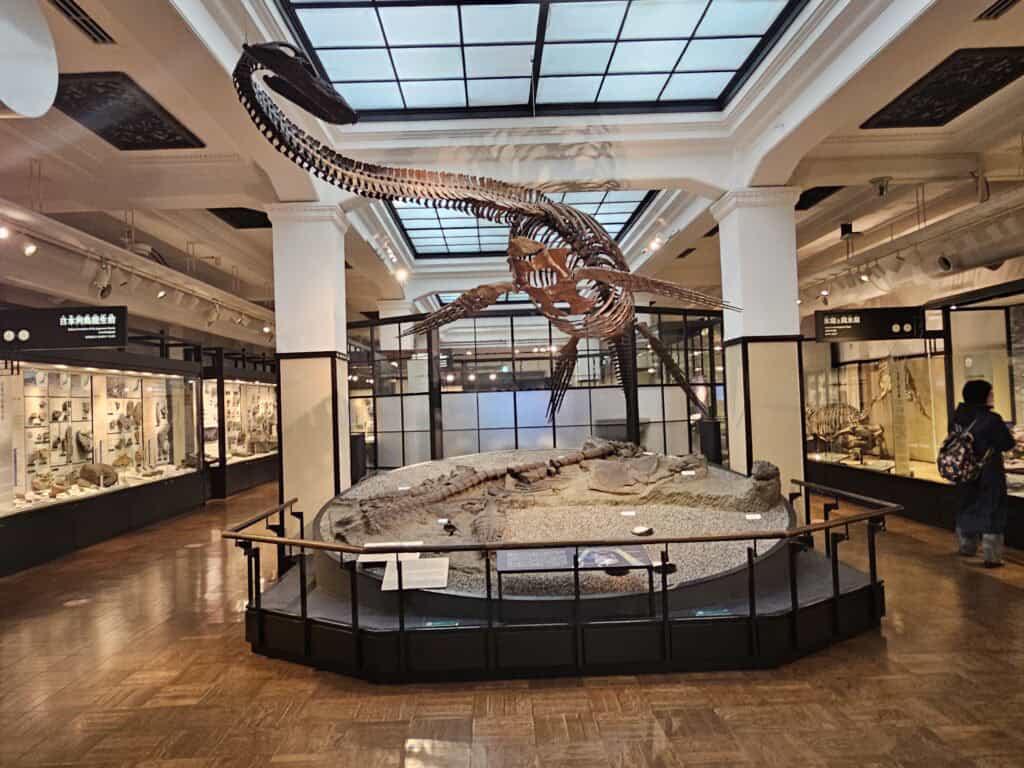
On the third floor, there is a full dinosaur skeleton
made from fossils discovered in Japan.
Many visitors—especially children—are surprised.
Thanks to pop culture and films,
dinosaurs are often imagined as something “foreign.”
This one isn’t.
That quiet shift in perspective is the point.
Look Up (Or Don’t)
The Renaissance-style interior of the Japan Gallery
is often highlighted in guidebooks.
Honestly, for many foreign visitors, it doesn’t land.
If you’ve walked Vienna’s Ringstrasse
or seen colonial-era buildings elsewhere,
this won’t be the reason you remember the museum.
Feel free to skip the moment—and move on.
Global Gallery Highlights
Shinkai 6500 (The Real One)
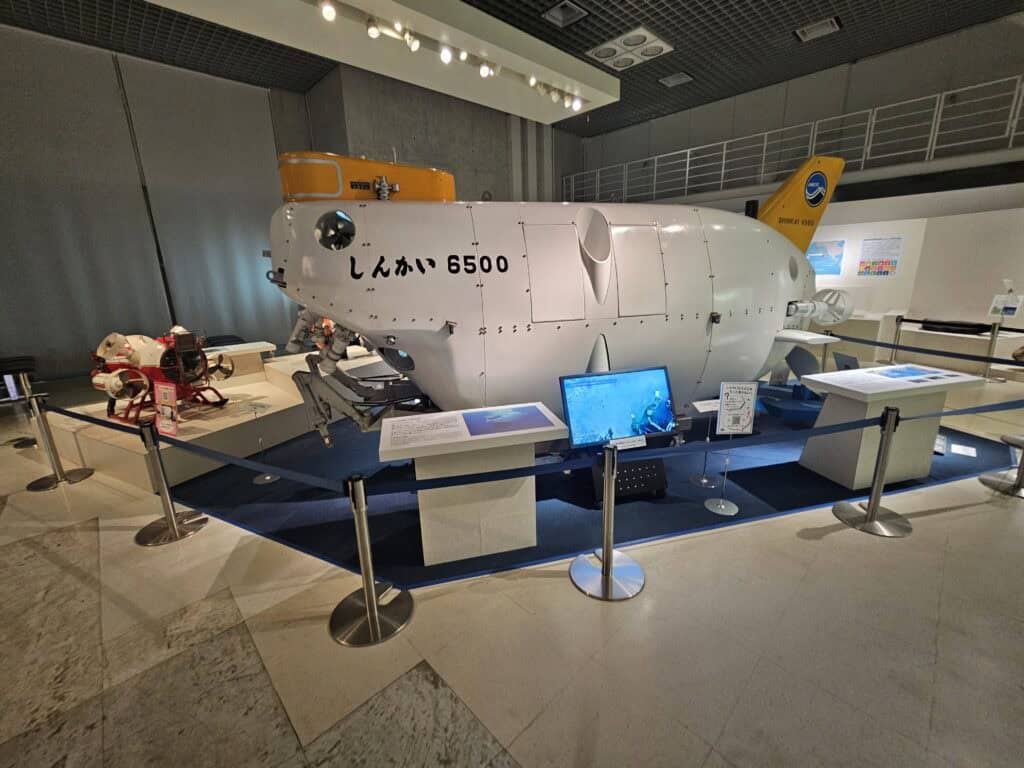
The Zero fighter once displayed here is gone—
permanently relocated to another museum.
In its place stands something more compelling:
Shinkai 6500,
Japan’s manned deep-sea research submersible.
You can stand close enough to touch it.
Capable of diving to 6,500 meters,
it has completed over 1,600 missions across the world’s oceans.
No dramatization.
No screen.
Just the real machine.
The Taxidermy Hall
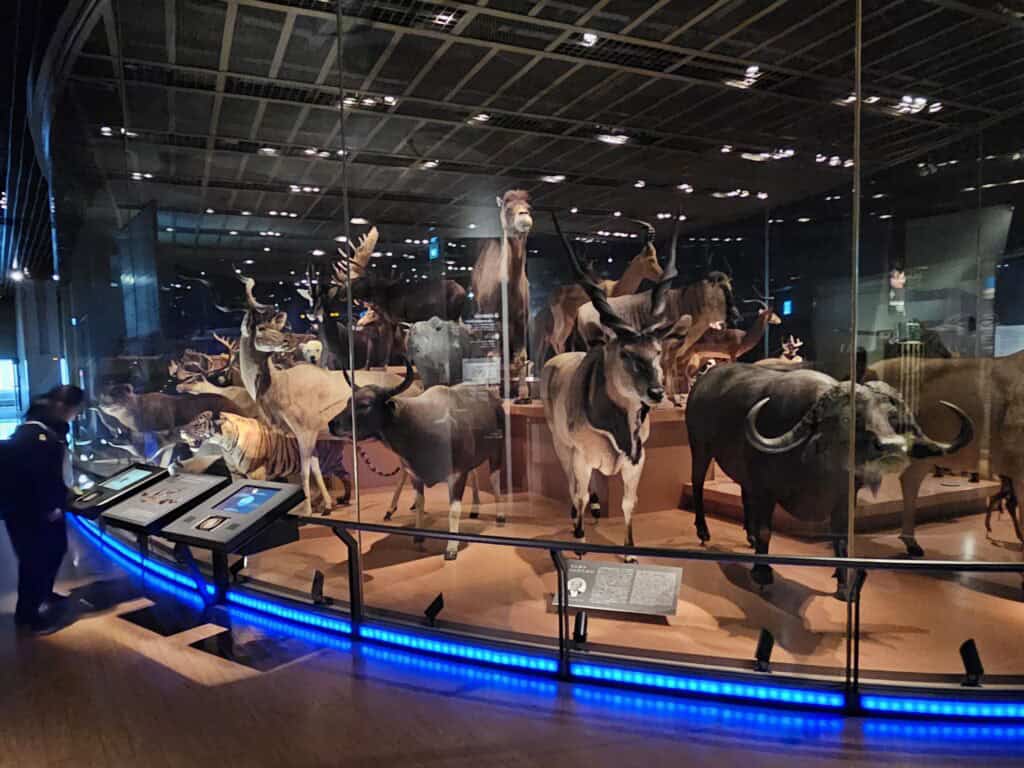
On the third floor,
a large circular space filled with animal specimens.
Children love it.
Adults pause longer than expected.
It’s overwhelming in quantity, not detail.
That’s intentional.
The Blue Whale (Timing Matters)
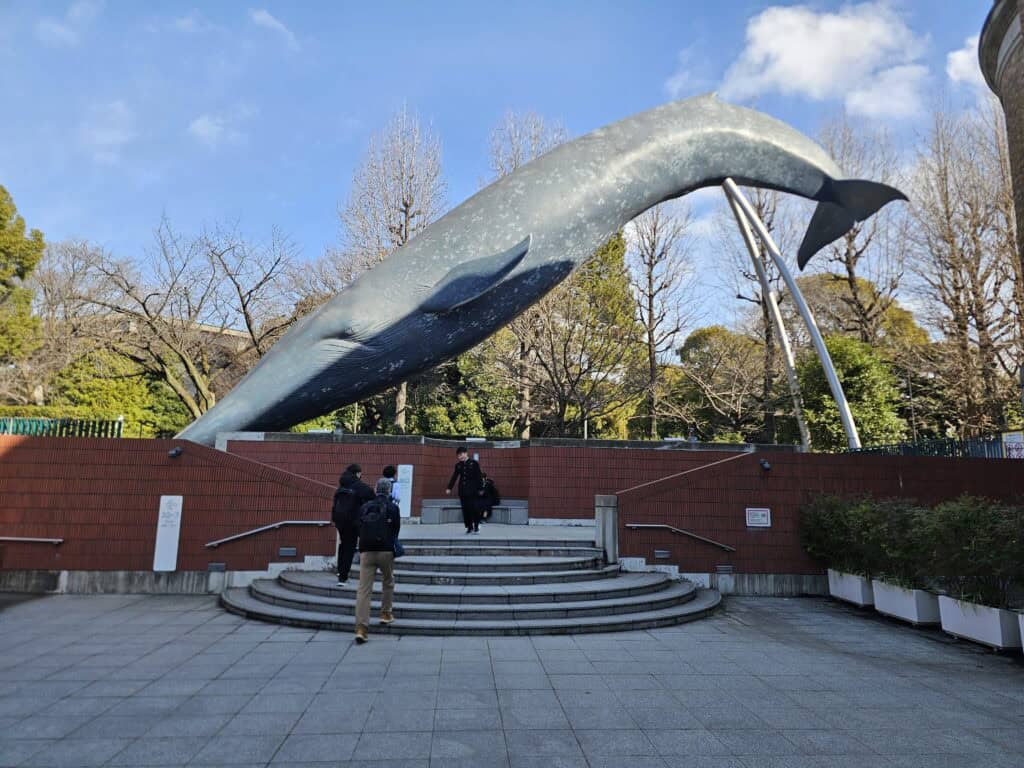
Outside the main entrance stands a full-scale blue whale model.
If you’re not entering the museum,
this alone is enough.
If you are entering, wait.
The best photo angle appears after your visit,
as you exit and see the entire body clearly framed.
English Audio Guide (¥320): Should You Use It?
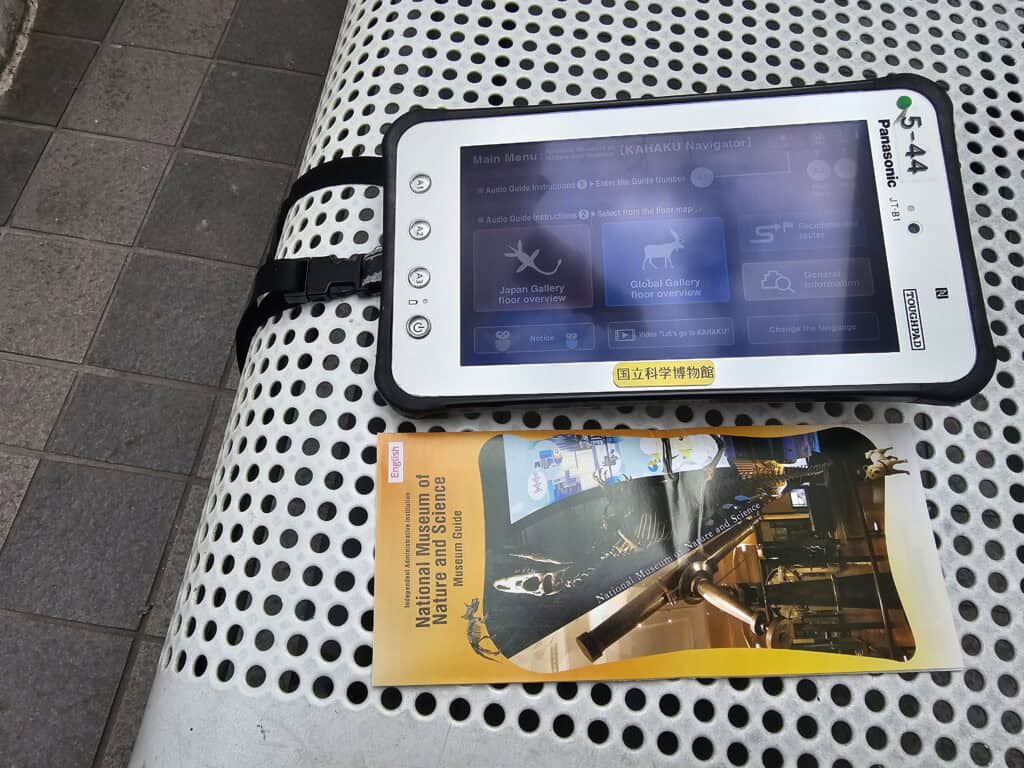
Short answer: Not for first-time visitors.
- It’s bulky.
- You already have a phone.
- Codes are hard to locate and not always intuitive.
Many key exhibits—especially Hachiko—already have English panels.
If you’re moving slowly and studying deeply, it can help.
For a 1–2 hour visit, it gets in the way.
Who Visits This Museum?
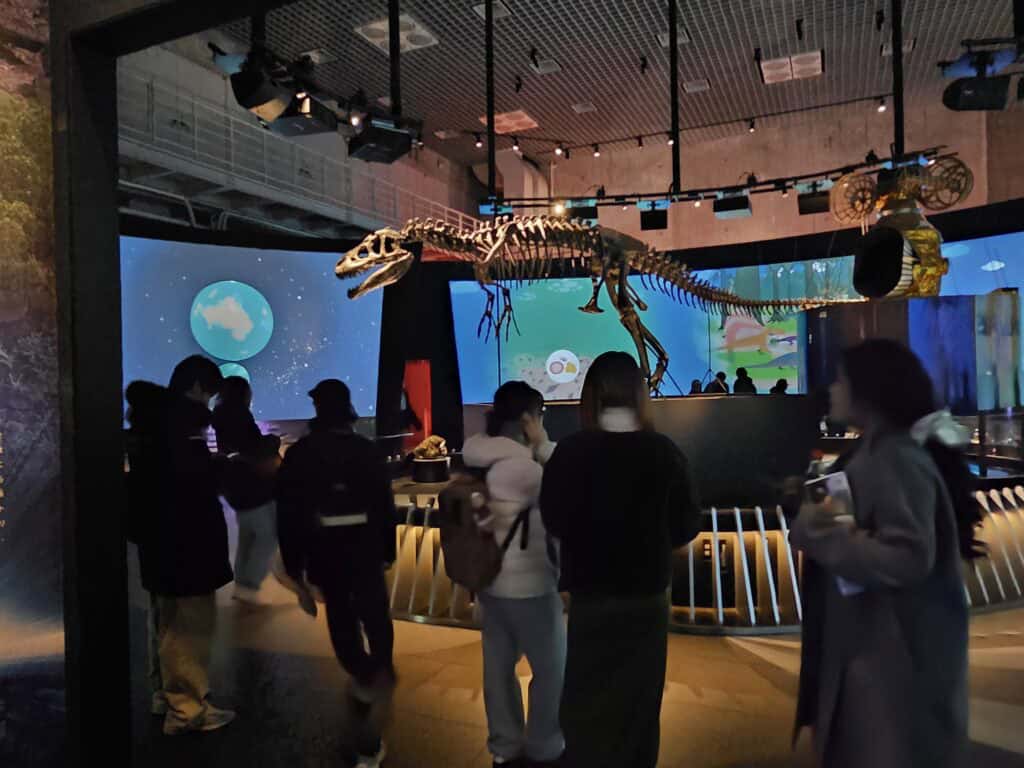
A lot of groups.
- Chinese and Korean tour groups
- Japanese school trips (elementary to high school)
- A surprising number of solo visitors, including seniors
Overall, the museum feels young—
not academic, not elite.
That’s a strength.
Practical Information
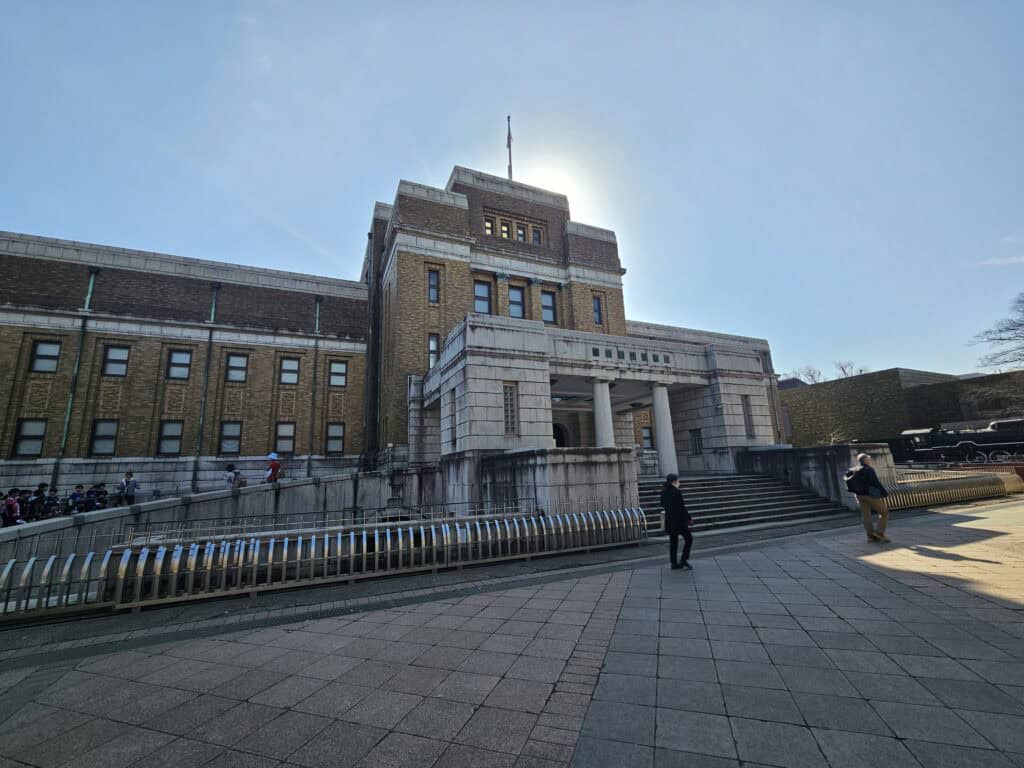
- Hours: 9:00–17:00
- Closed: Mondays (or Tuesday if Monday is a holiday), year-end, fumigation periods
- Admission: ¥630 (Adults / University students)
- Access: Under 5 minutes from Ueno Station (Park Exit)
Tokyo Smart Take
Tokyo Smart Take
The best science museums don’t overwhelm you with knowledge.
They leave you with one or two things you didn’t expect to care about.
This one does exactly that.







コメント