
Can You Use a Sento with Tattoos?
Many travelers ask:
👉 “Can I enter a Japanese bath if I have tattoos?”
The answer is simple:
- Local sento → often YES
- Super sento / saunas → usually NO
In many neighborhood bathhouses, tattoos are quietly accepted.
But in commercial spa facilities, you may be denied entry or asked to leave without a refund.
👉 This guide will show you exactly how to avoid that situation.
What Is a Sento?
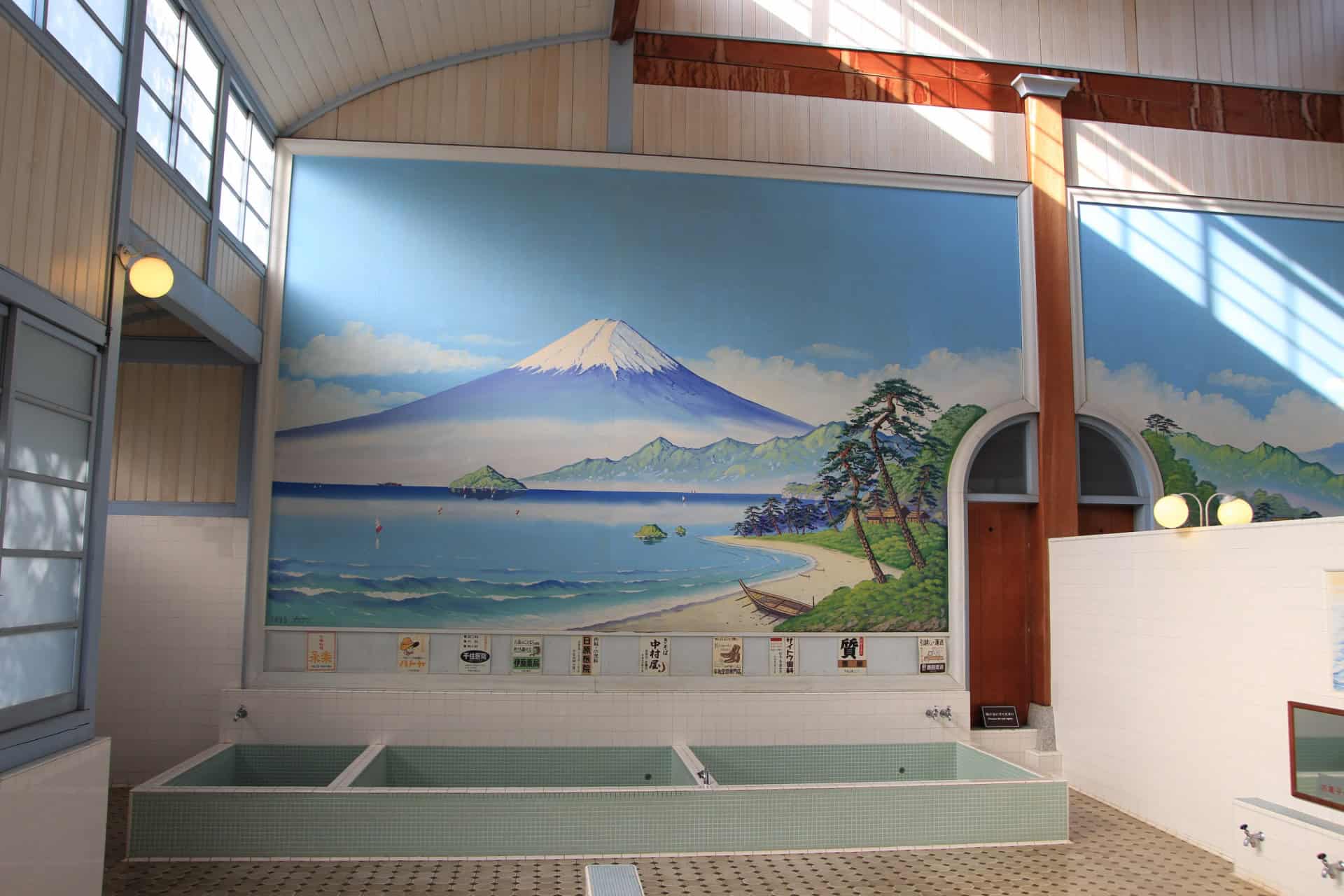
A sento is a traditional Japanese public bath used by local residents.
Unlike hot spring resorts (onsen), sento are:
- Affordable
- Simple
- Part of everyday life
👉 Typical price: ¥520–¥550
If you see prices over ¥1,000, it’s likely a spa or super sento.
How to Identify a Sento
Look for these signs:
- A tall chimney
- A traditional-style building
- A curtain (noren) with the ♨ symbol
But the easiest way to tell:
👉 Check the price
Step-by-Step: How to Use a Sento
1. Entrance
- Remove shoes and store them in a locker
- Pay the entrance fee (cash is common)
2. Changing Room
- Put your belongings in a locker
- Lock valuables securely
⚠️ No smartphone use (strict privacy rules)
3. Wash Before Entering
This is the most important rule.
Before entering the bath:
- Rinse your body
- Wash your hair and body
👉 Entering without washing is considered bad manners
4. Bathing Etiquette
Inside the bath:
- Stay quiet
- Do not put towels in the water
- Keep long hair out of the bath
5. Shower Area Rules
- Sit while using the shower
- Avoid splashing others
6. Take Breaks
- Rest if you feel dizzy
- Drink water
7. Before Leaving the Bath Area
- Dry your body lightly before returning to the locker room
8. After Bath
- Dry your hair completely
- Be considerate when using dryers
What to Bring to a Sento
- Cash (many places are cash-only)
- Small towel
- Bath towel
Optional:
- Shampoo / body soap
👉 Towels can be rented (¥100–¥200)
Kakeyu: The First Step Explained
Before entering the bath, you must rinse your body.
This is called kakeyu.
You can:
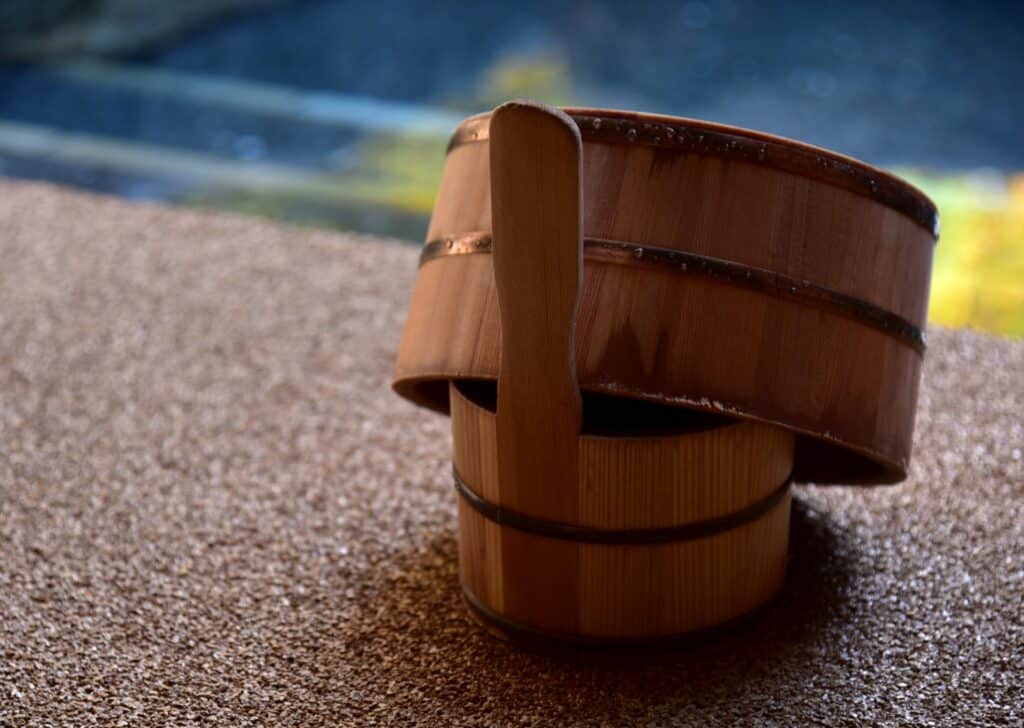
- Use a bucket
- Use a shower
👉 Skipping this step will make you look rude, even if it’s not strictly enforced
How Long Should You Stay in the Bath?
A typical routine:
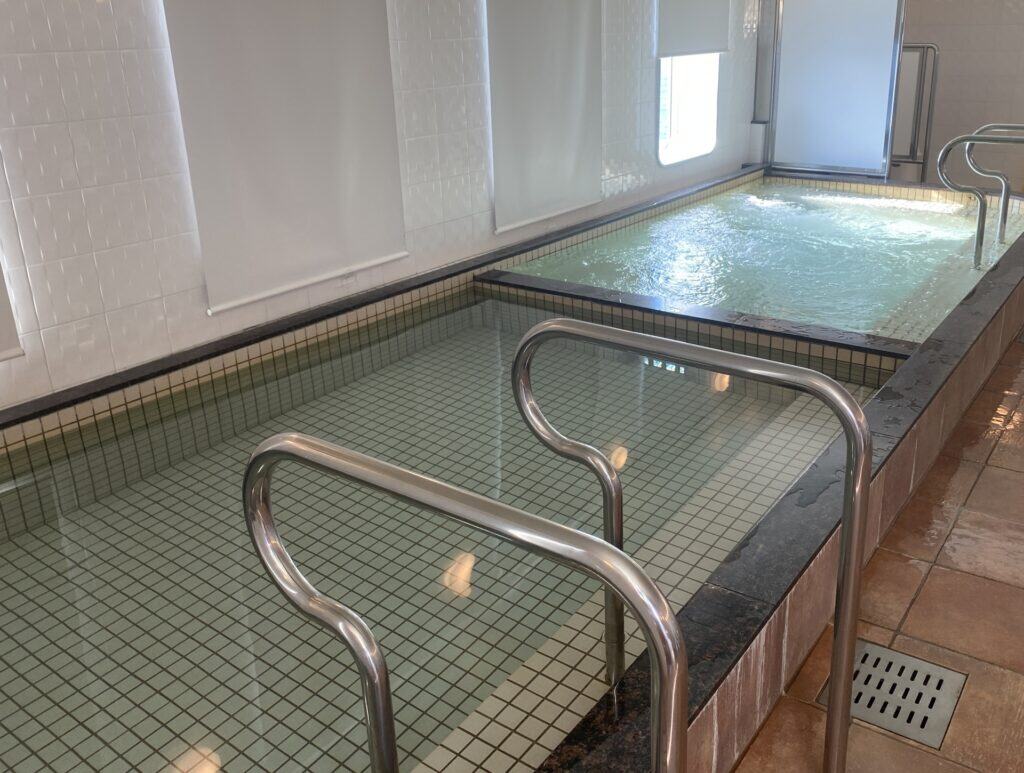
- 5–10 minutes in hot water
- Rest
- Repeat
Many locals do 2–4 cycles
⚠️ Important for First-Time Visitors
Do NOT stay too long.
Even if you feel fine:
👉 Stop early
Overbathing can cause fatigue and dizziness later.
Why Tattoos Are Allowed in Sento (But Not in Spas)
There is no national law banning tattoos.
The difference comes from business purpose:
Sento
- Serve local communities
- Often supported by public systems
👉 More flexible with tattoos
Super Sento / Saunas
- Commercial businesses
- Focus on customer comfort
👉 Tattoos are often restricted due to cultural associations
Are All Sento Tattoo-Friendly?
No.
There are three types:
- Clearly allow tattoos
- Clearly ban tattoos
- Do not mention it (most common)
👉 Many places quietly allow tattoos
⚠️ Important
Outside Tokyo, rules can be stricter.
👉 Never assume all sento allow tattoos
Final Tip
Even without English support:
👉 You can complete the entire sento experience alone
if you understand these basics





コメント