
Rain in Tokyo? Here is a walking route that almost never needs an umbrella.
Architecture.
Underground passages.
Two free observation decks nearly 200 meters high.
And the tour ends with LOVE.
Why This Tour Exists
I run walking tours in Tokyo.
One question always worried me.
What happens when it rains?
People travel a long way to join a tour.
They pay money.
And then the weather ruins everything.
I didn’t like that idea.
So I designed a Plan B.
This walking route works even in heavy rain.
Most of the route is covered by buildings or underground passages.
Many stops are free.
And along the way you discover a completely different side of Tokyo.
Stop 1
Tokyo Station – The Red Brick Start
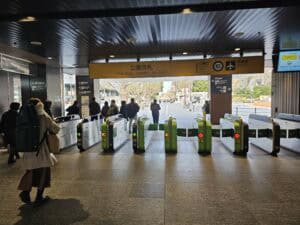
This tour begins at Tokyo Station’s Marunouchi South Exit.
The station has three exits on the Marunouchi side.
Walk through the center exit, which connects directly to the underground passage.
But before going underground, we make a short stop.
Right next to this exit stands the famous Tokyo Station red brick building.
📷 PHOTO — Tokyo Station red brick building (diagonal angle)
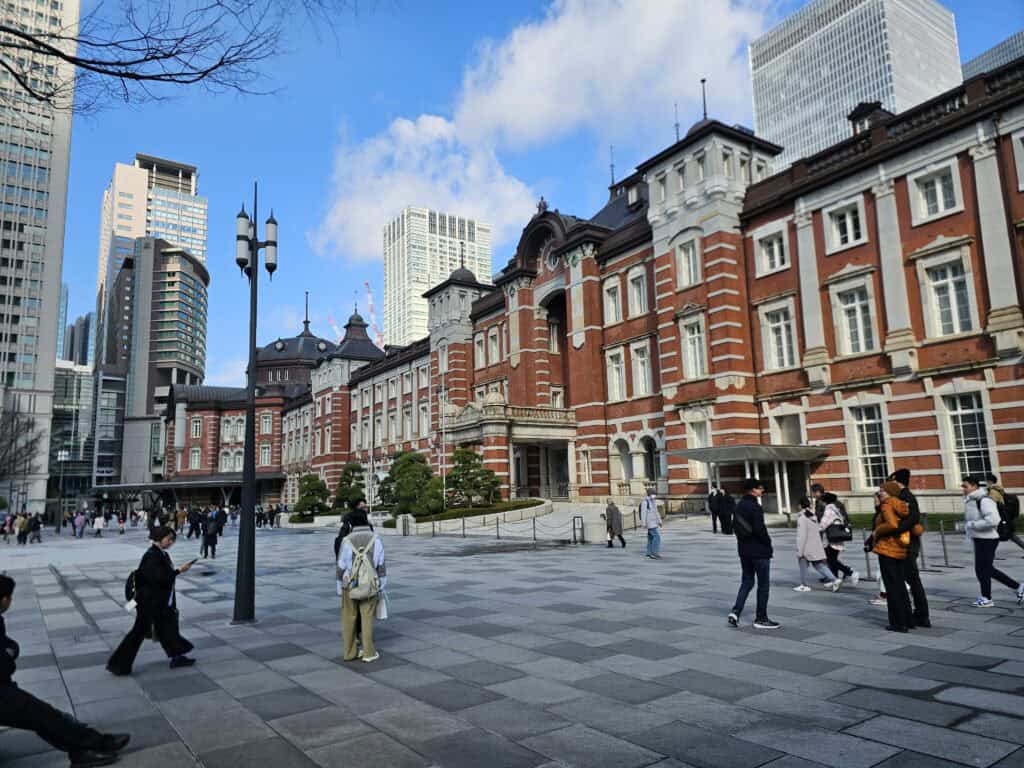
You can take this photo without getting wet.
The roof structure of the station protects this angle from the rain.
📷 PHOTO — Tokyo Station front view (optional shot)
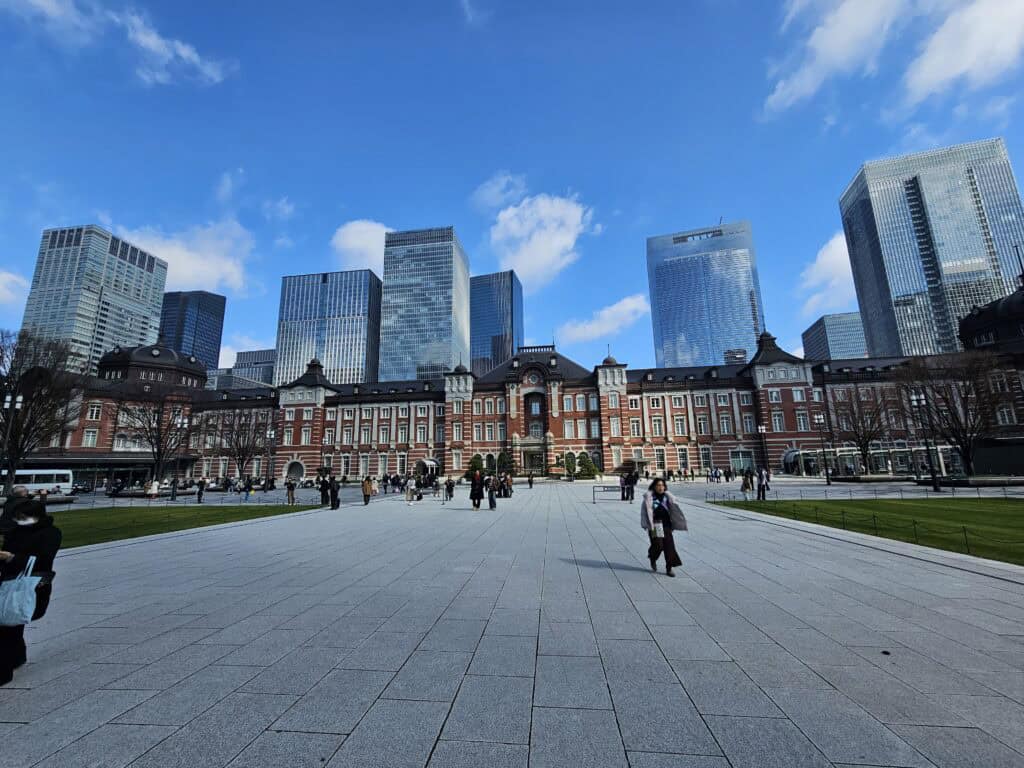
For the classic front view you may get a little wet.
But many visitors still take this photo because the view is worth it.
The red brick station building is one of Tokyo’s most recognizable historic landmarks.
Although Tokyo is often seen as a futuristic city, this tour begins with history.
Stop 2
Tokyo International Forum – Hidden Architecture
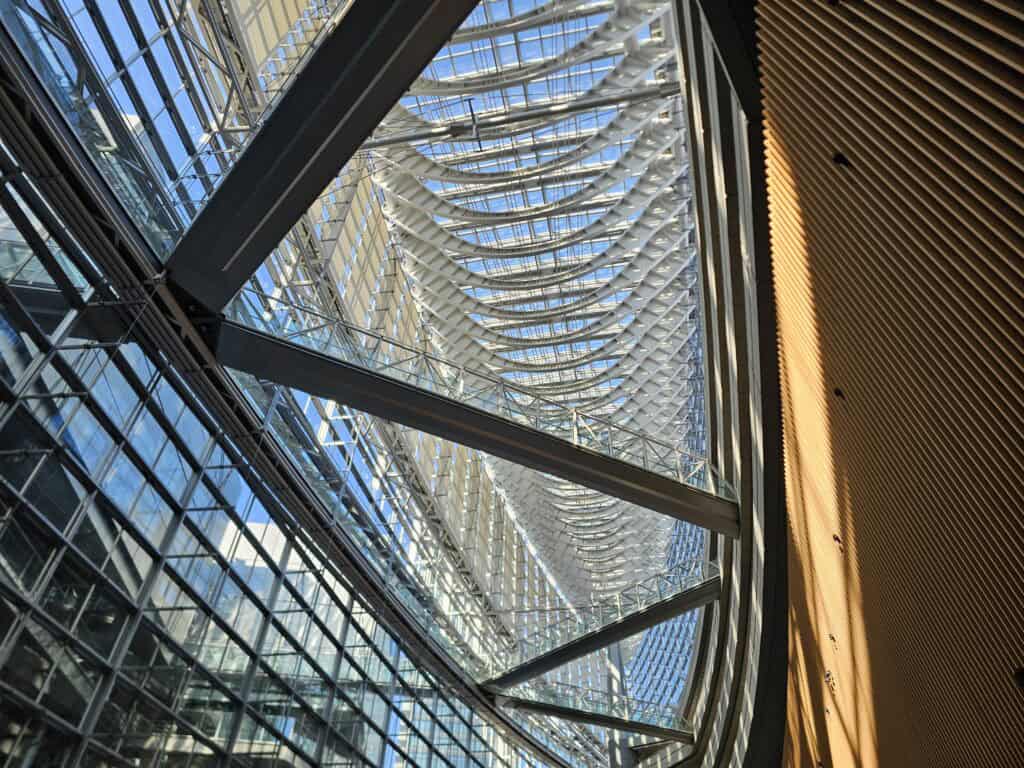
From Tokyo Station we walk through the underground passage toward the Tokyo International Forum.
Walking time is about 7–8 minutes.
This building surprises many visitors.
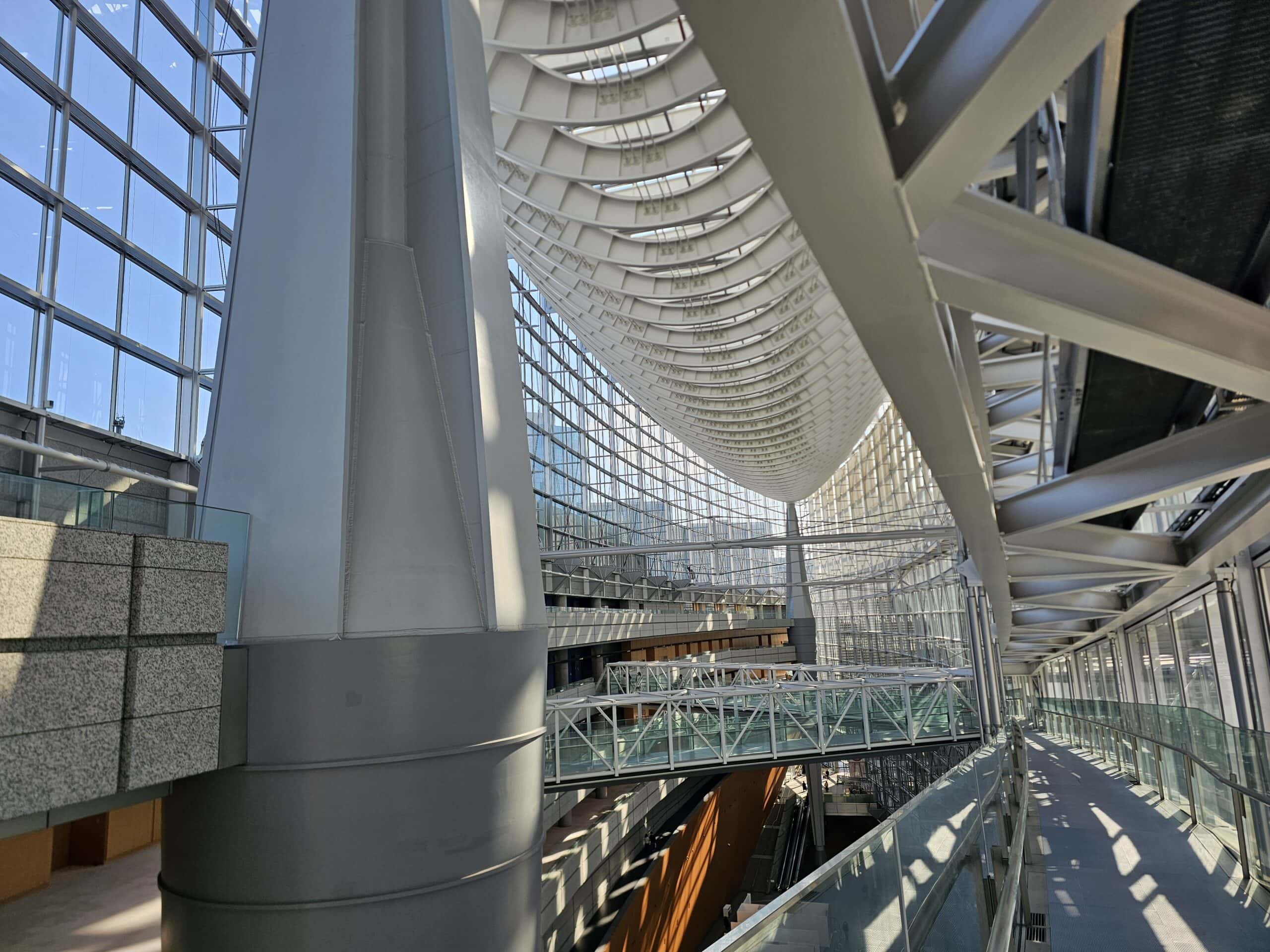
The enormous glass atrium looks like the inside of a giant ship.
It was designed by architect Rafael Viñoly and completed after an international architectural competition.
The atrium rises about 60 meters high and is covered by a curved glass structure composed of 3,600 glass panels.
📷 PHOTO — Tokyo International Forum glass atrium
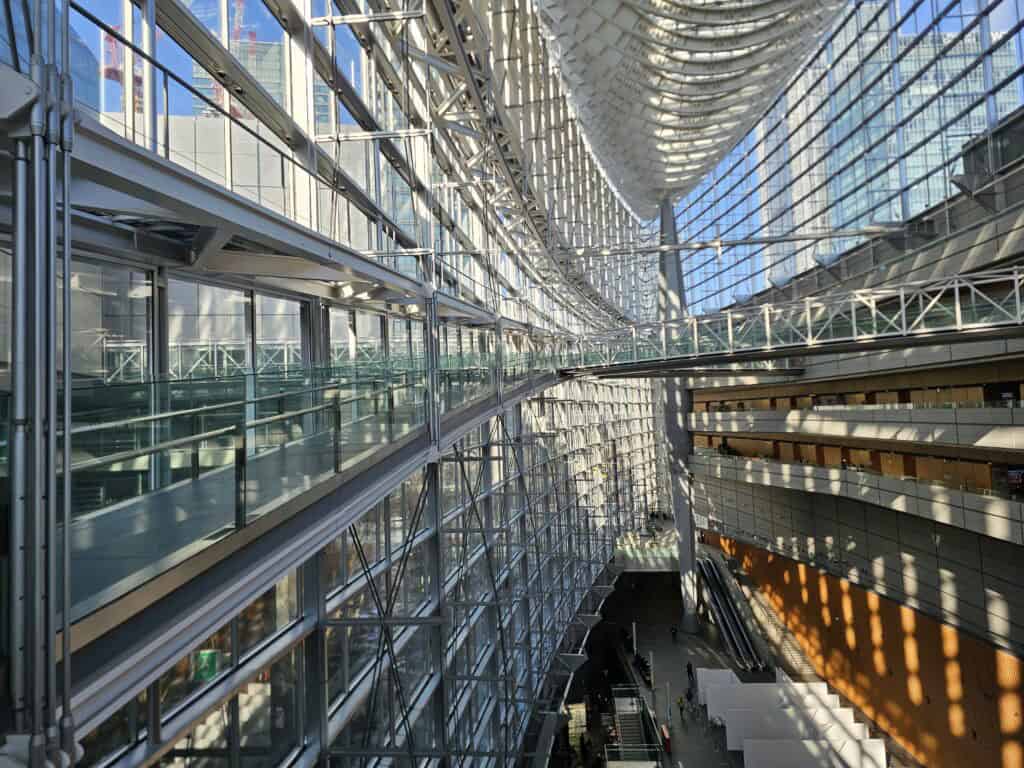
If you want the best view of the building, walk up to the upper walkways around the 7th floor.
From there you can see the full structure of the glass hall.
Plan about 30 minutes here.
Many visitors end up spending longer because the space is so impressive.
👁 Kajino’s Eye
Among all indoor spaces in Tokyo, this building impressed me the most.
The scale is overwhelming, and the fact that anyone can walk inside for free still feels surprising.
The International Forum connects directly to the underground passage from Tokyo Station.
However, the glass atrium stands slightly apart from the event hall.
So you may need to walk 40–50 meters outside, which means getting slightly wet on rainy days.
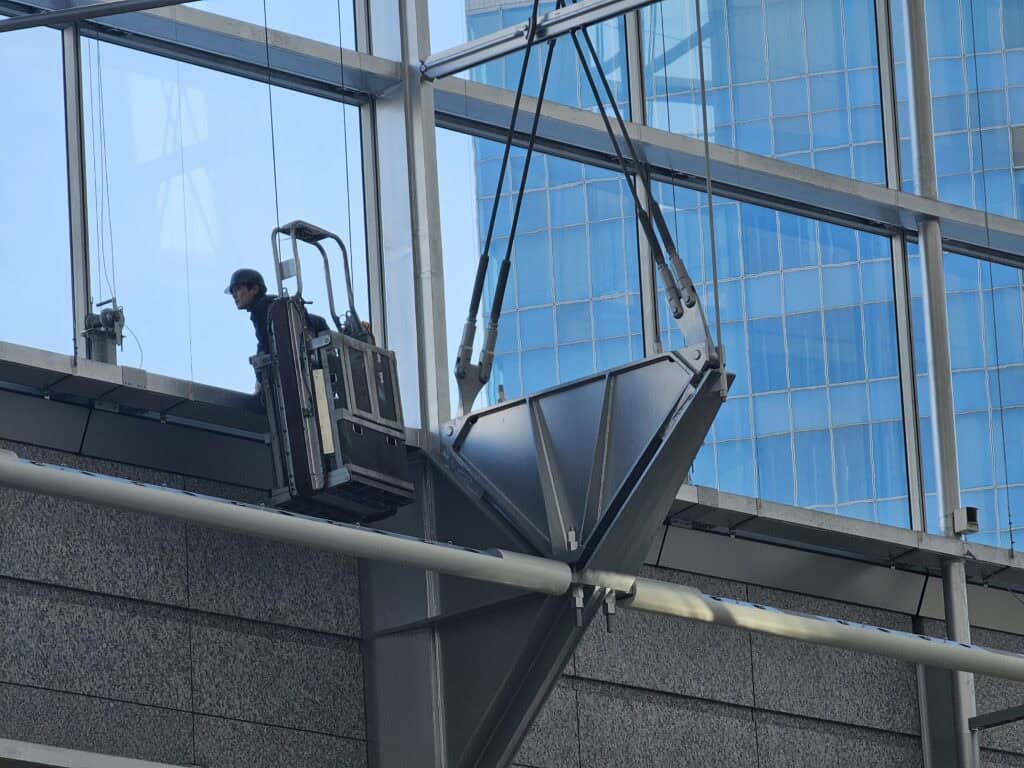
📷 PHOTO — worker cleaning one of the glass panels
There are 3,600 glass panels, and someone has to clean them all.
Stop 3
The Yoshinoya Mystery
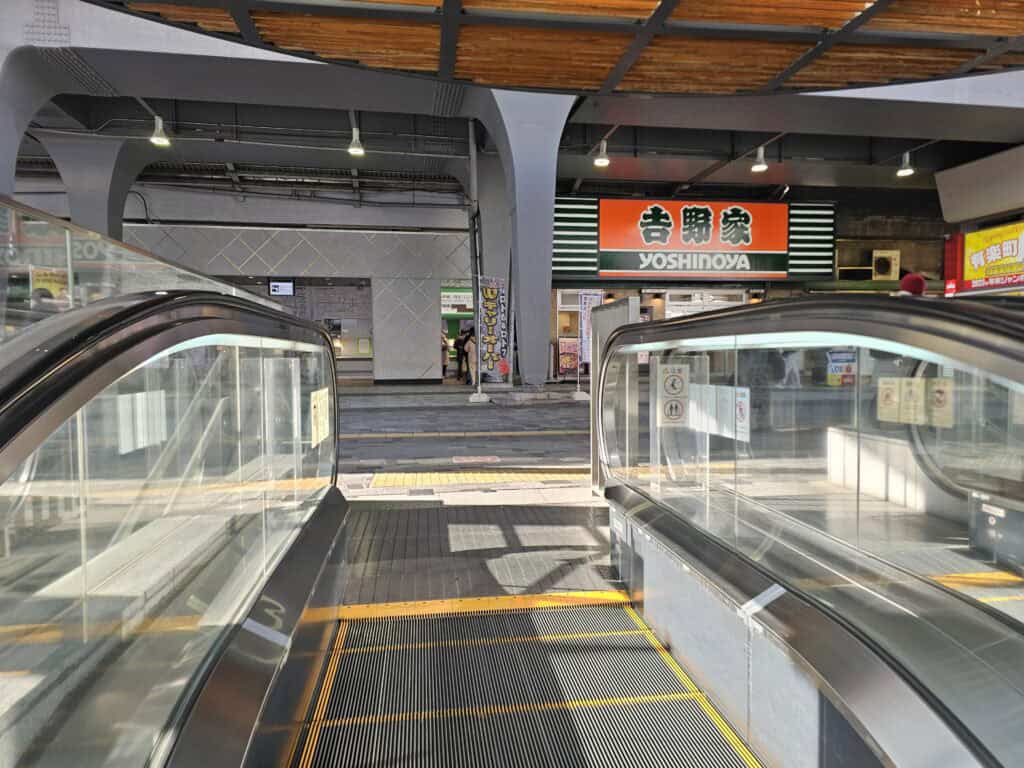
From the International Forum we continue toward JR Yurakucho Station.
Most of the route is connected by underground passages.
Follow the signs to Exit A8.
This exit leads directly below the Tokyo Kotsu Kaikan building.
When you reach street level, Yurakucho Station is right in front of you.
And just beside the station is a famous branch of Yoshinoya.
👁 Kajino’s Eye
Some locals say this is the best Yoshinoya in Japan.
The shop sells about 800 to 1,000 bowls of beef per day.
But Yoshinoya uses a central kitchen system.
The sauce and ingredients are delivered from the same factory to every branch.
So why would this one taste different?
The rumor is about the cooking pot.
This branch has been operating for decades.
Some people believe that years of cooking beef in the same pot have slowly changed the flavor.
No one knows if this is true.
But it is one of Tokyo’s great food stories.
Hidden Underground Tokyo
Tokyo Is an Underground City
Many visitors don’t realize this, but central Tokyo has a massive underground network.
Large districts such as Tokyo Station, Marunouchi, Yurakucho, Shimbashi, and Shiodome are connected by pedestrian tunnels.
On rainy days, locals often move through the city without going outside at all.
This tour uses several of these underground passages.
📷 PHOTO — Marunouchi underground passage
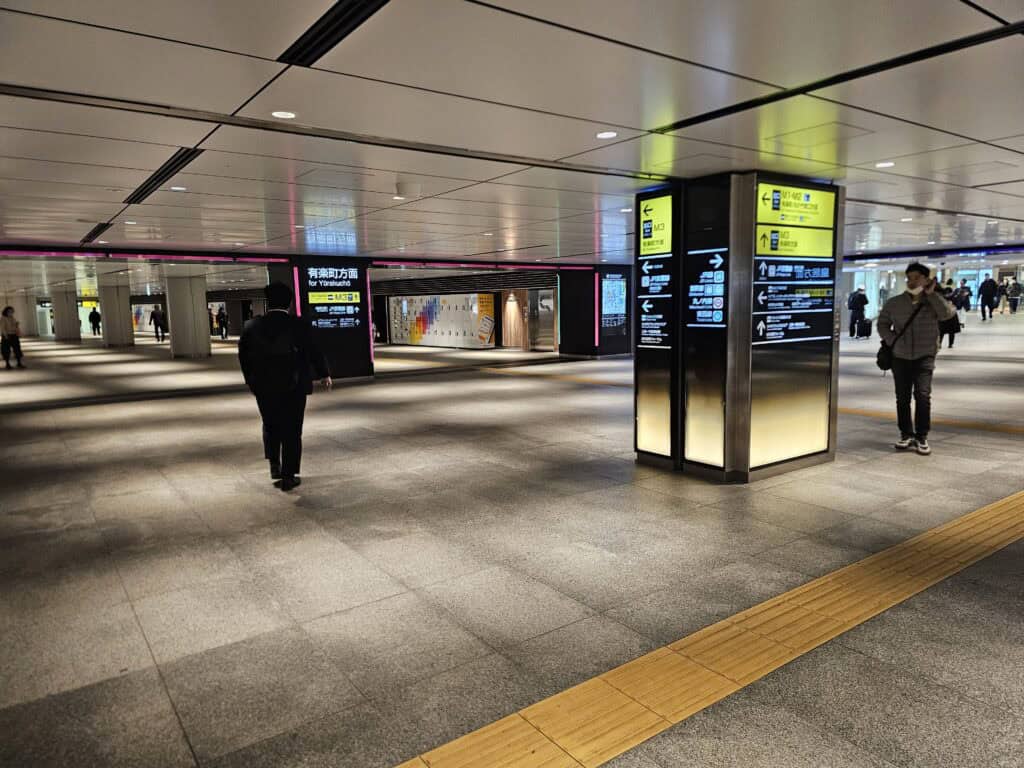
📷 PHOTO — passage between Tokyo International Forum and Yurakucho
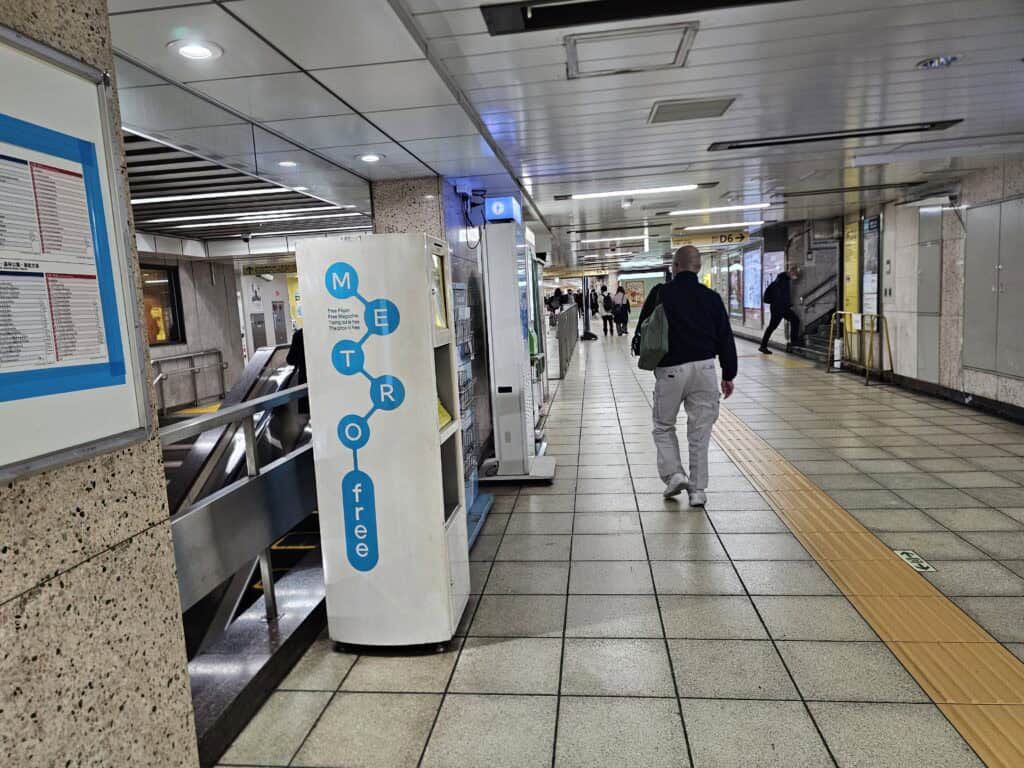
📷 PHOTO — Shimbashi to Shiodome underground corridor
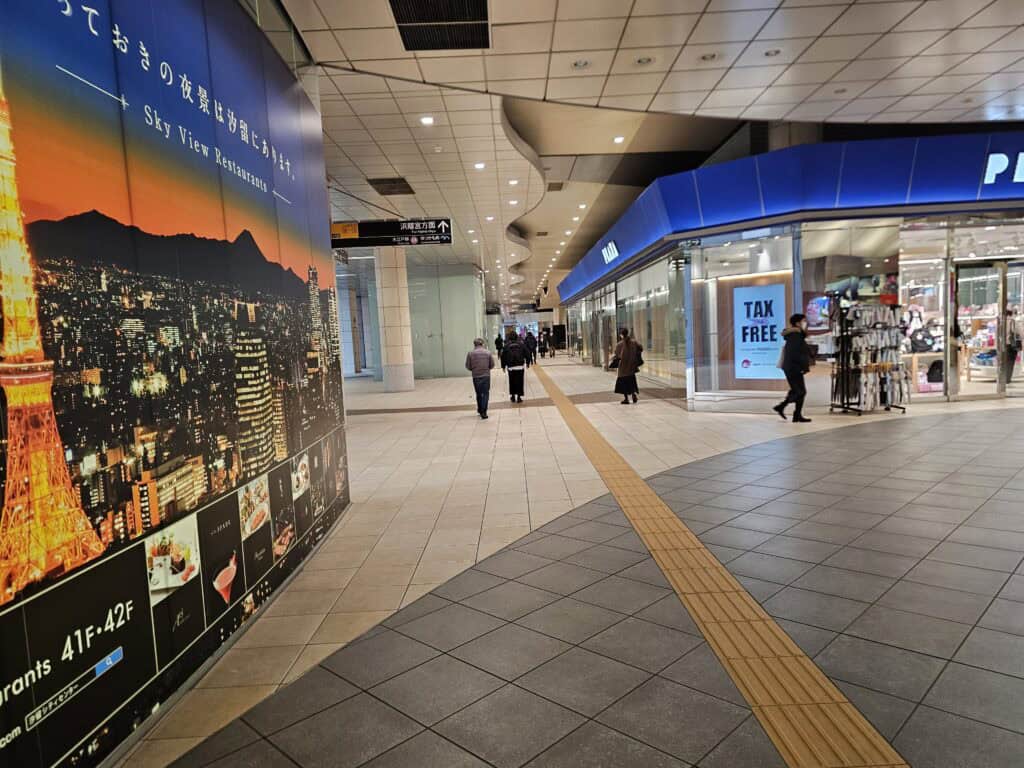
The longest underground pedestrian route in central Tokyo stretches about 4.2 km, connecting Otemachi to Higashi-Ginza.
This walk follows one branch of that network.
Stop 4
Ad Museum Tokyo – A Free Cultural Stop
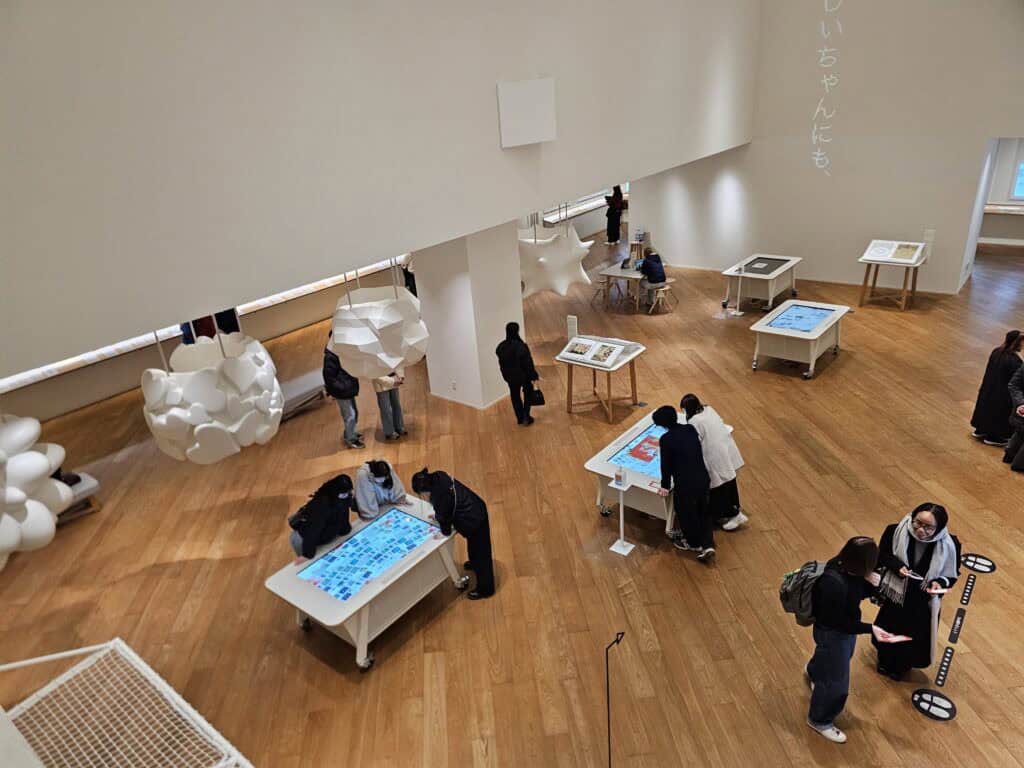
Eventually we arrive at Caretta Shiodome.
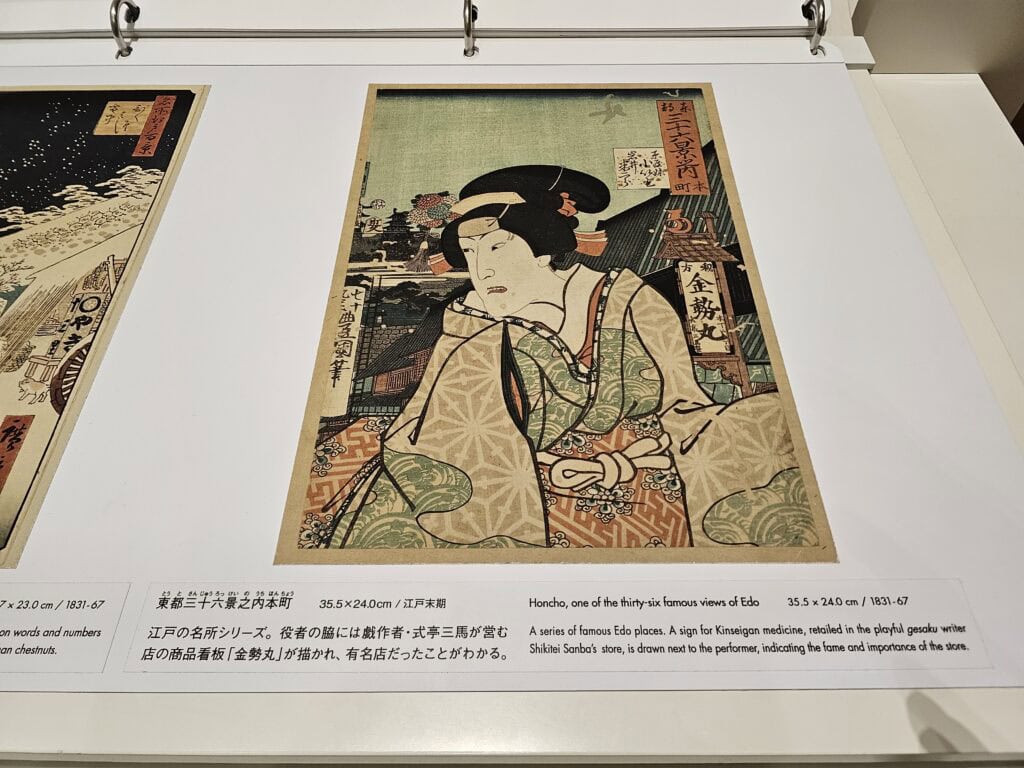
On the B2 floor of the building you will find a hidden museum:
Advertising Museum Tokyo (Ad Museum).
Entry is free, and many exhibits include English explanations.
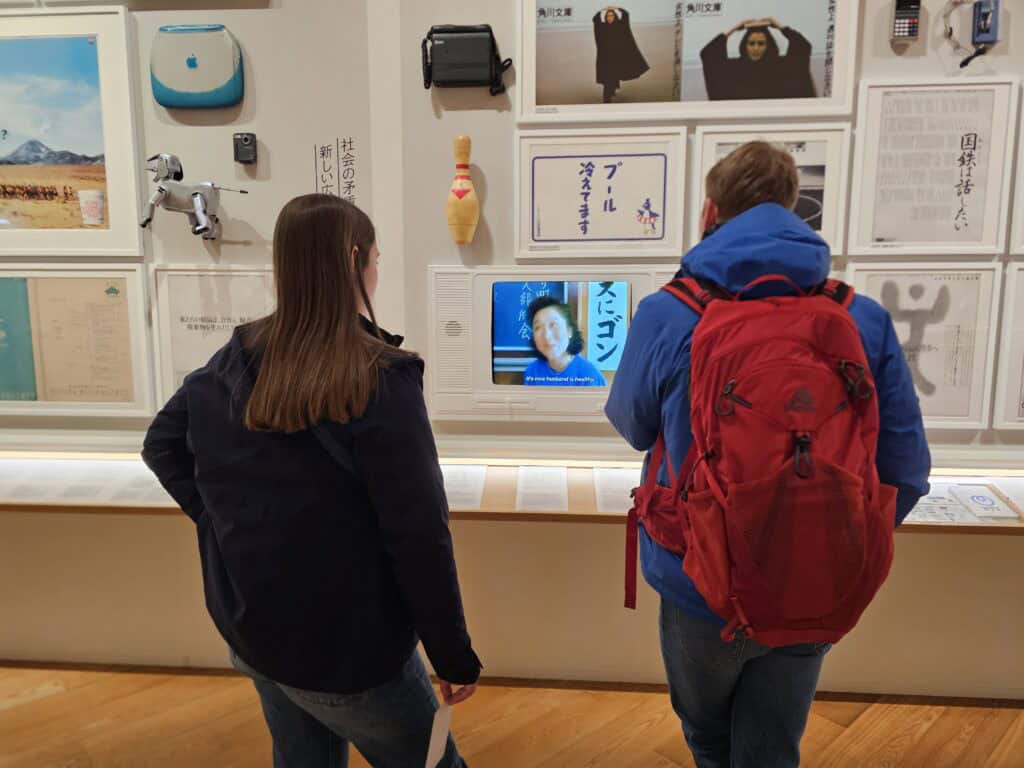
The museum shows how advertising evolved in Japan — from early print ads to modern pop culture campaigns.
Even visitors with no background in marketing often find it surprisingly interesting.
Another convenient detail:
Right in front of the museum entrance is the elevator to the observation floor.
So the route becomes very simple.
Museum → Elevator → Skyline.
Stop 5
Caretta Shiodome – A Stress-Free Observation Deck
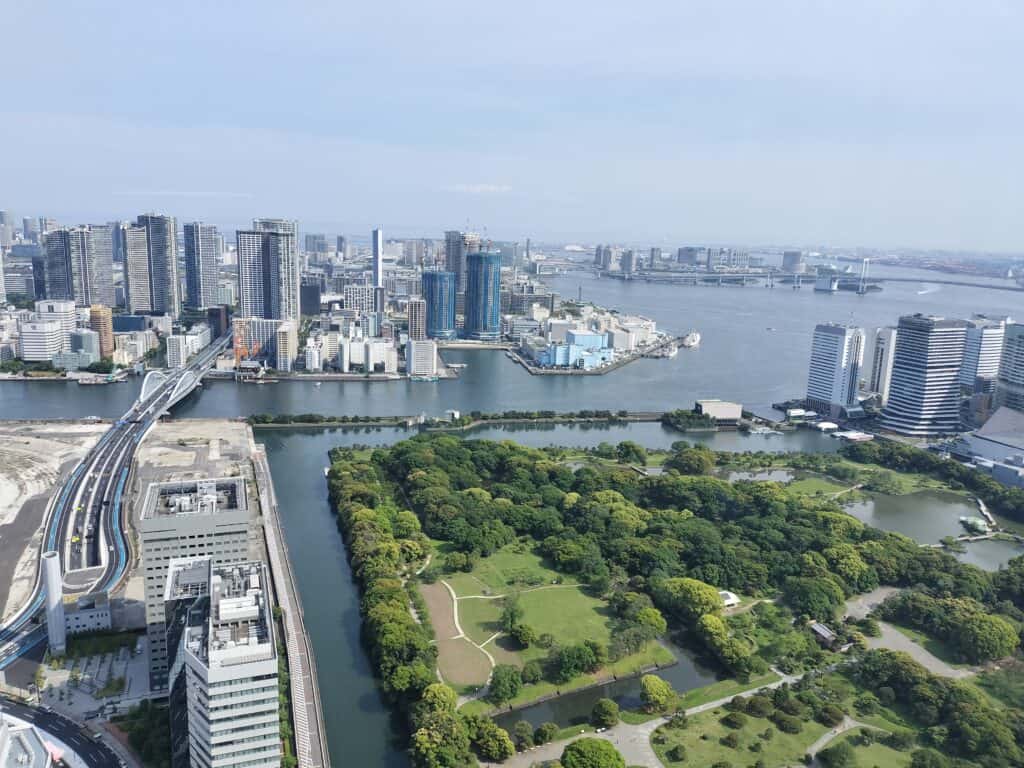
Tokyo has several observation decks around 200 meters high.
Two famous ones are:
- Shibuya Sky
- Tokyo Metropolitan Government Building
They offer great views, but they often have long lines.
Caretta Shiodome is different.
📷 PHOTO — Caretta Shiodome observation deck view
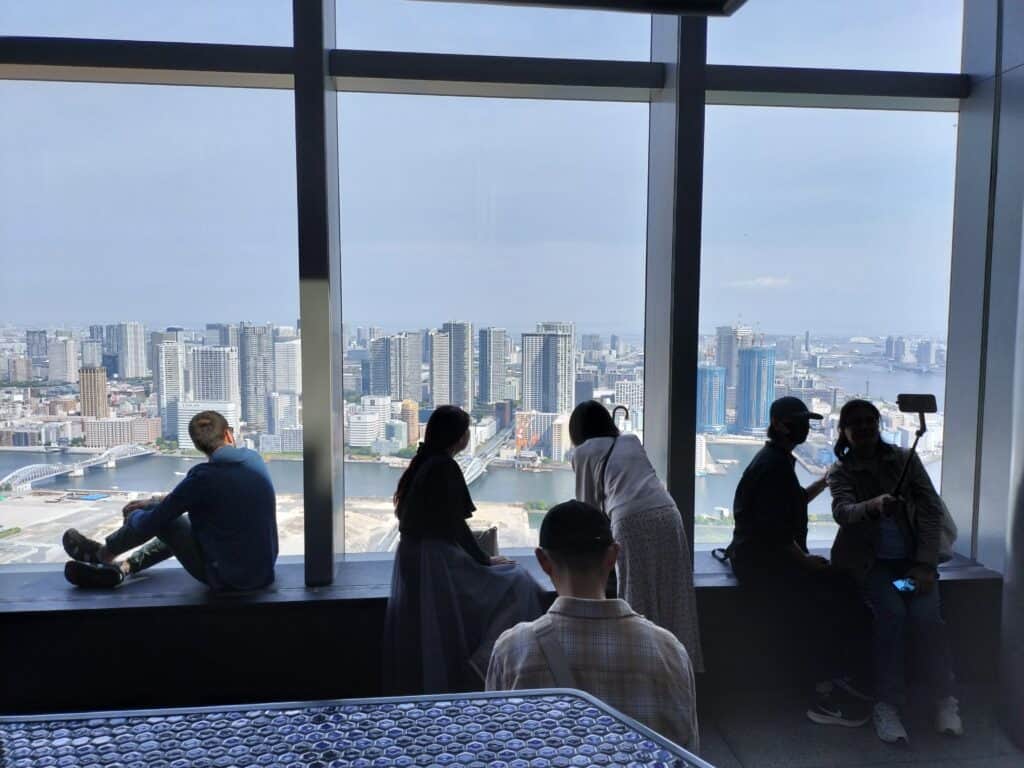
The observation floor is about 200 meters high, just like the others.
Admission: Free
But it is usually quiet and relaxed.
From here you can see:
- Tokyo Bay
- Rainbow Bridge
- the waterfront skyline
Stop 6
Shinjuku West Exit underground network.
After visiting Caretta Shiodome we take the train to Shinjuku.
Another useful feature of this area is the Shinjuku West Exit underground network.
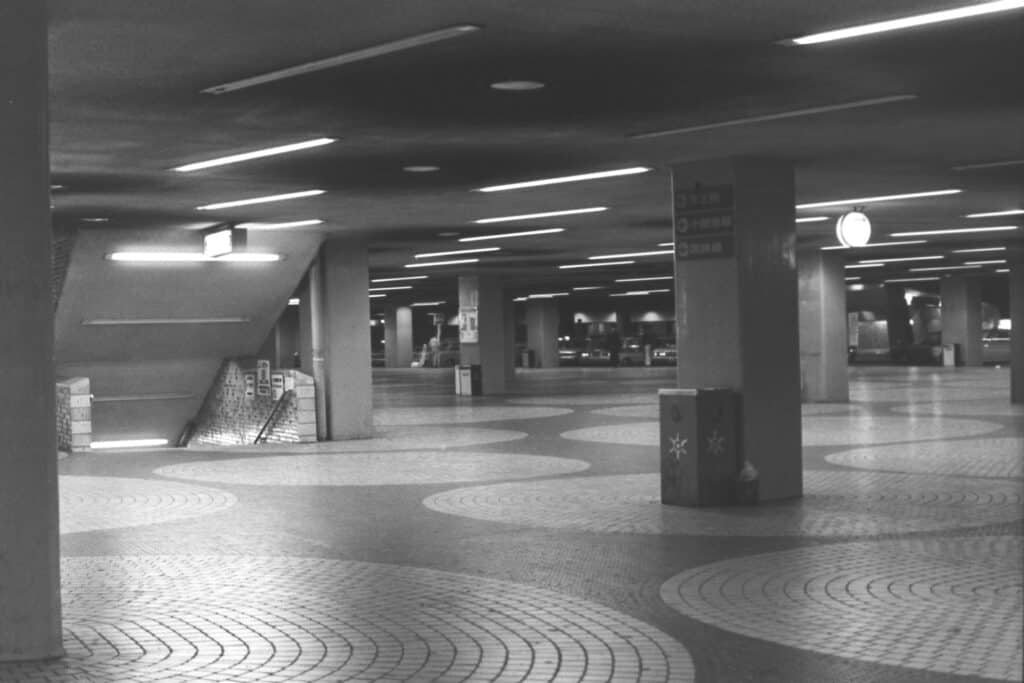
This underground passage system connects major buildings in the district.
From here you can walk indoors to:
- Tokyo Metropolitan Government Building
- Shinjuku I-Land Tower, the final stop of this tour
Tokyo Metropolitan Government Building – The Megacity View
📷 PHOTO — Tokyo Metropolitan Government Building observation deck
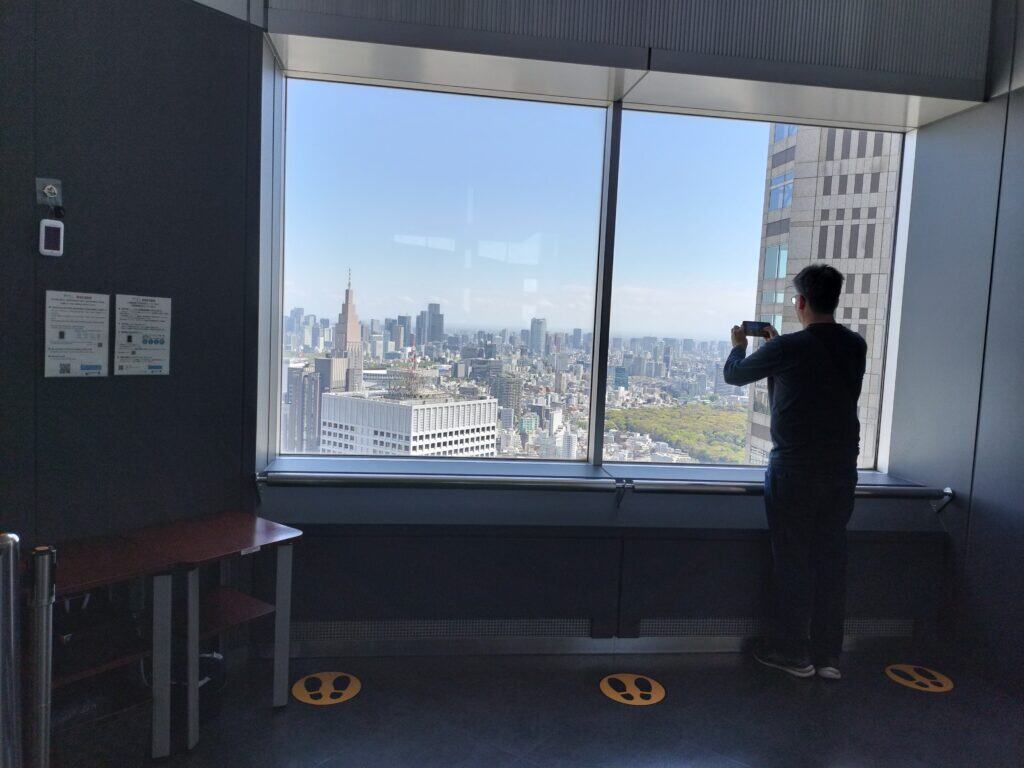
Height: about 202 meters
Admission: Free
From this observation deck you can see:
- the massive skyline of Shinjuku
- the forest of Meiji Shrine
- sometimes even Mount Fuji
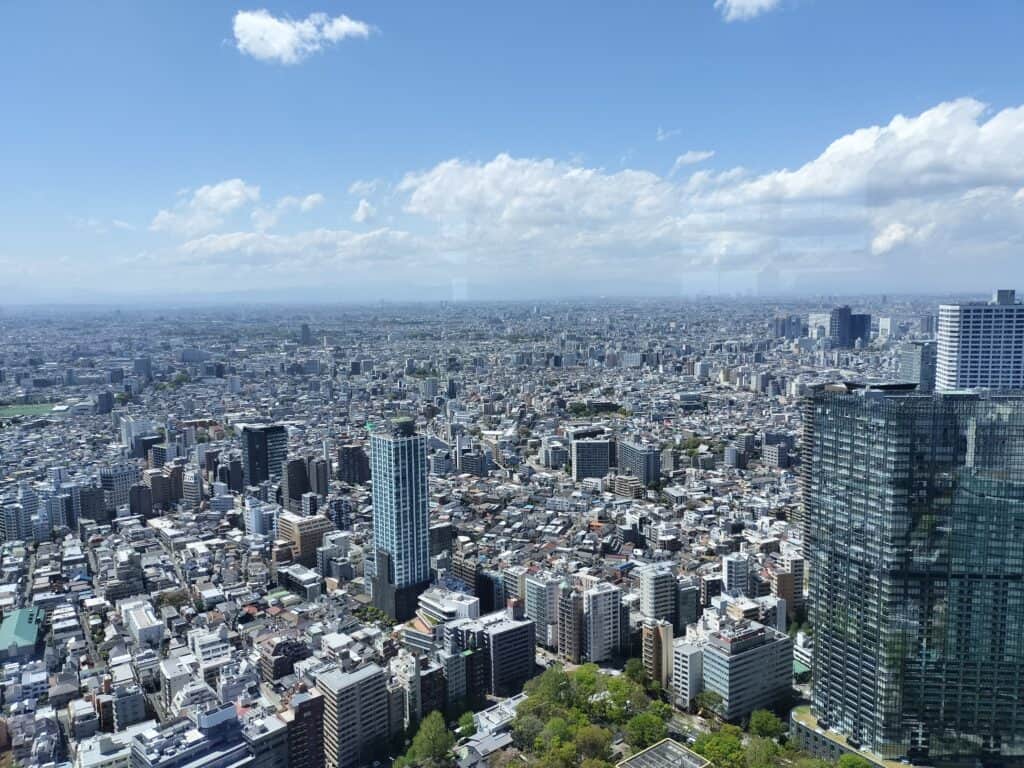
Caretta shows you Tokyo Bay.
The Tokyo Metropolitan Government Building shows you the giant city itself.
Two very different views.
Both free.
👁 Kajino’s Eye
There is a reason this tour ends in Shinjuku.
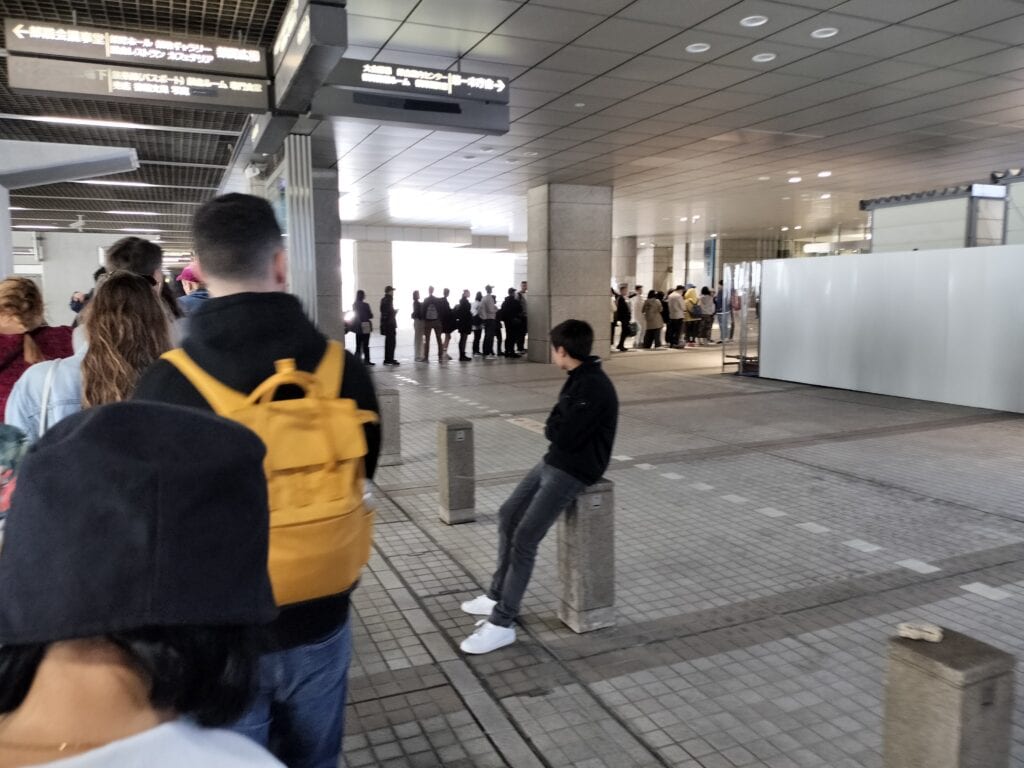
The observation deck can become extremely crowded during lunchtime.
That’s why this route aims for late afternoon, when the lines are usually much shorter.
Final Stop
This Tour Ends With LOVE
From the Tokyo Metropolitan Government Building we walk through underground passages to Shinjuku I-Land Tower.
Almost the entire tour avoids the rain.
Almost.
For the final photo, you have to step outside.
Because standing in front of the building is a famous sculpture:
LOVE
📷 PHOTO — LOVE sculpture at Shinjuku I-Land Tower
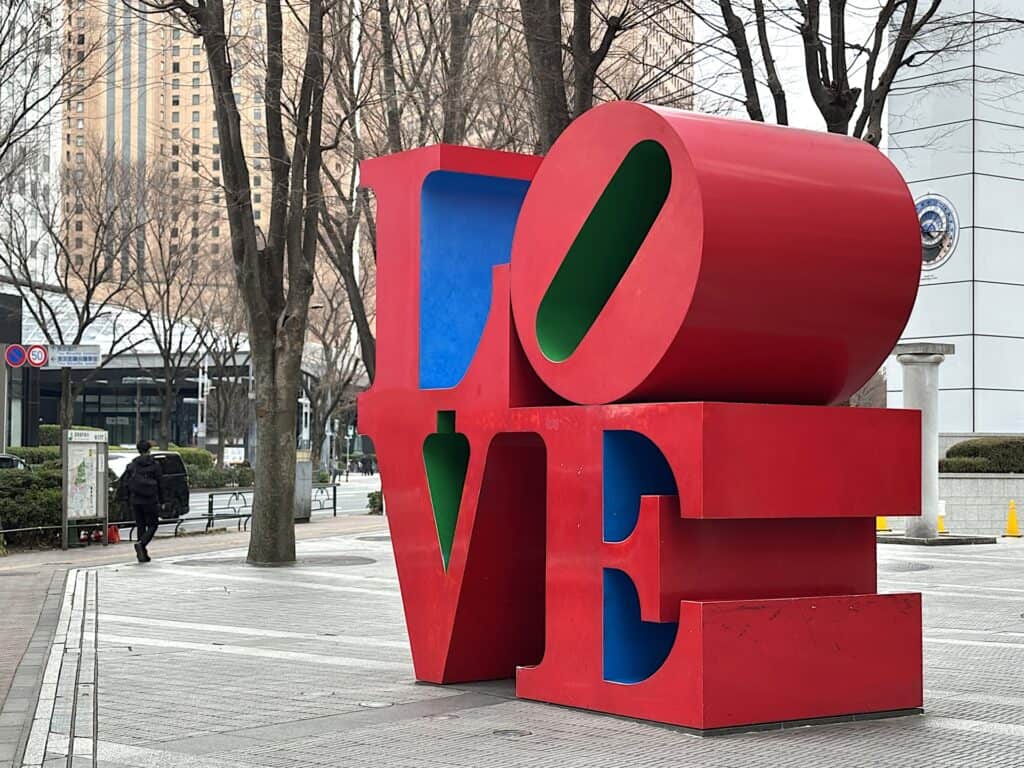
After exploring Tokyo’s architecture, underground passages, culture, and skyline…
You step outside for one last photo.
Yes, you might get a little wet.
But that’s fine.
Because this tour ends with LOVE.
Schedule
1:00 PM
Start – Tokyo Station Marunouchi South Exit
1:15 PM
Red brick building photos
1:30 PM
Tokyo International Forum
2:30 PM
Caretta Shiodome
3:00 PM
Train to Shinjuku
3:45 PM
Tokyo Metropolitan Government Building
4:30 PM
Final photo at LOVE sculpture
Cost
JR Yurakucho → Shimbashi
¥150
JR Shimbashi → Shinjuku
¥210
Total transportation cost: ¥360

コメント