
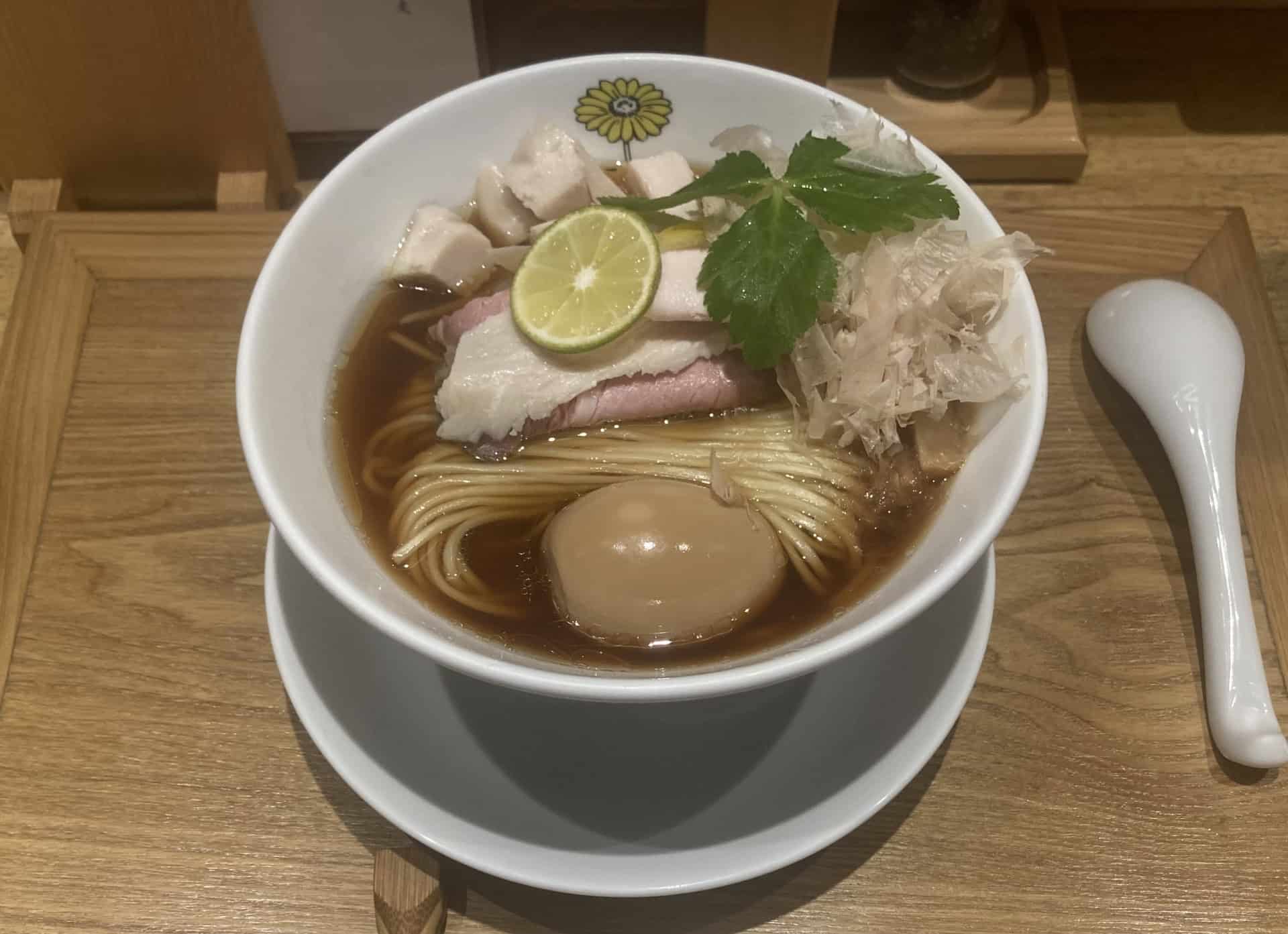
When people see a bowl of ramen priced at ¥1,000, the first reaction is often:
“Isn’t that just noodles and soup?”
Not even close.
The Real Cost: The Soup
In most serious ramen shops, the most expensive component is the broth.
A single batch can require:
- One whole chicken
- Up to 10 kg of minced meat
- Dried sardines (niboshi), mackerel flakes
- Kombu seaweed
- Vegetables
- Chicken carcasses
- Pork bones
That’s before the gas bill.
A typical shop may aim for a 30–35% food cost ratio.
But shops that obsess over flavor easily exceed 40%.
Once you start chasing depth, there is no cheap shortcut.
Broth is not an ingredient.
It’s a combustion process — hours of fire, reduction, and waste.
And if it fails? It gets thrown away.
Tonkotsu vs. Shoyu: Not All Ramen Is Equal
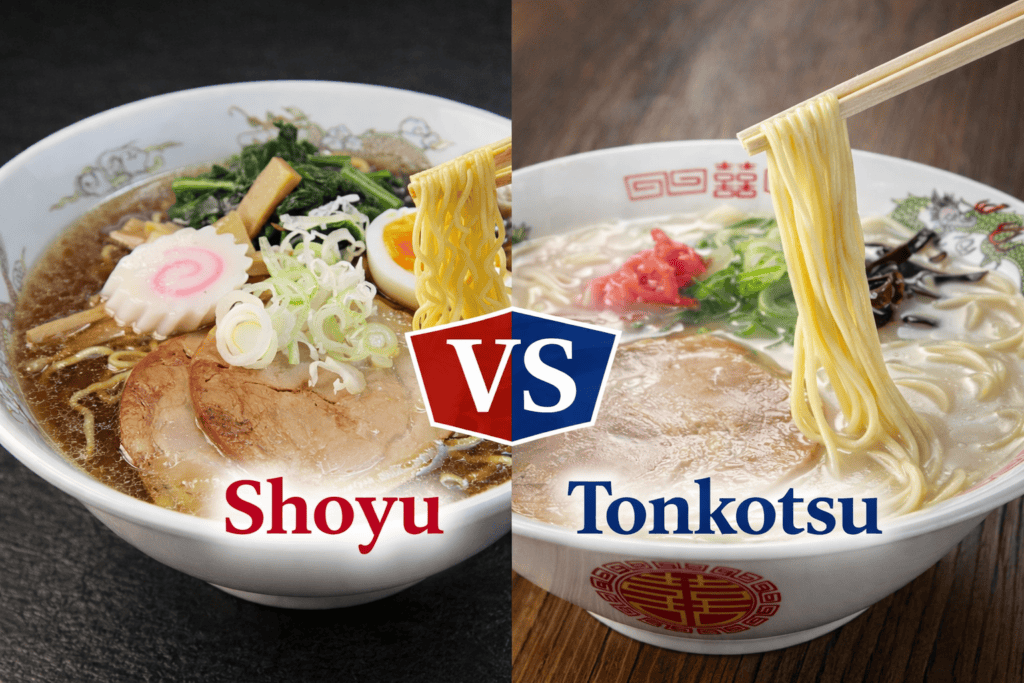
Hakata-style tonkotsu ramen operates differently.
Pork bones (genkotsu) are boiled continuously, sometimes dissolved into the soup.
Ingredient cost is relatively stable.
But gas consumption skyrockets.
You are not paying for raw materials.
You are paying for energy.
Shoyu ramen is even more unforgiving.
There is nowhere to hide.
To make it exceptional, high-grade soy sauce, premium dried fish, and refined aromatics are essential.
You can’t mask weak ingredients with fat or thickness.
Precision costs money.
The Overlooked Factor: Noodles
Here’s a blind spot most customers miss.
If a shop makes its own noodles, the cost can drop to less than half of store-bought ones.
That’s why some tsukemen shops confidently serve 400g or 500g portions.
The trade-off?
An upfront investment in a noodle machine.
Efficiency isn’t accidental.
It’s engineered.
👁️ Kajino’s Eye
When tourists debate whether ¥1,000 is “too expensive,” they’re comparing ramen to fast food.
They shouldn’t.
Ramen is closer to slow-cooked cuisine disguised as street food.
The bowl in front of you represents:
- 8–12 hours of simmering
- Rent in a high-density city
- Skilled labor
- Controlled waste
- Gas, electricity, and time
A ¥1,000 bowl isn’t expensive.
It’s economically fragile.
And that fragility is exactly why Japan’s ramen culture remains so intense.
You’re not paying for noodles.
You’re paying for the margin that allows the shop to open again tomorrow.