Intro
If you think Ramen in Japan is only about thick, creamy Tonkotsu (pork bone) soup like Ippudo or Ichiran, you are missing out on a hidden gem. Enter Kitakata Ramen Bannai.
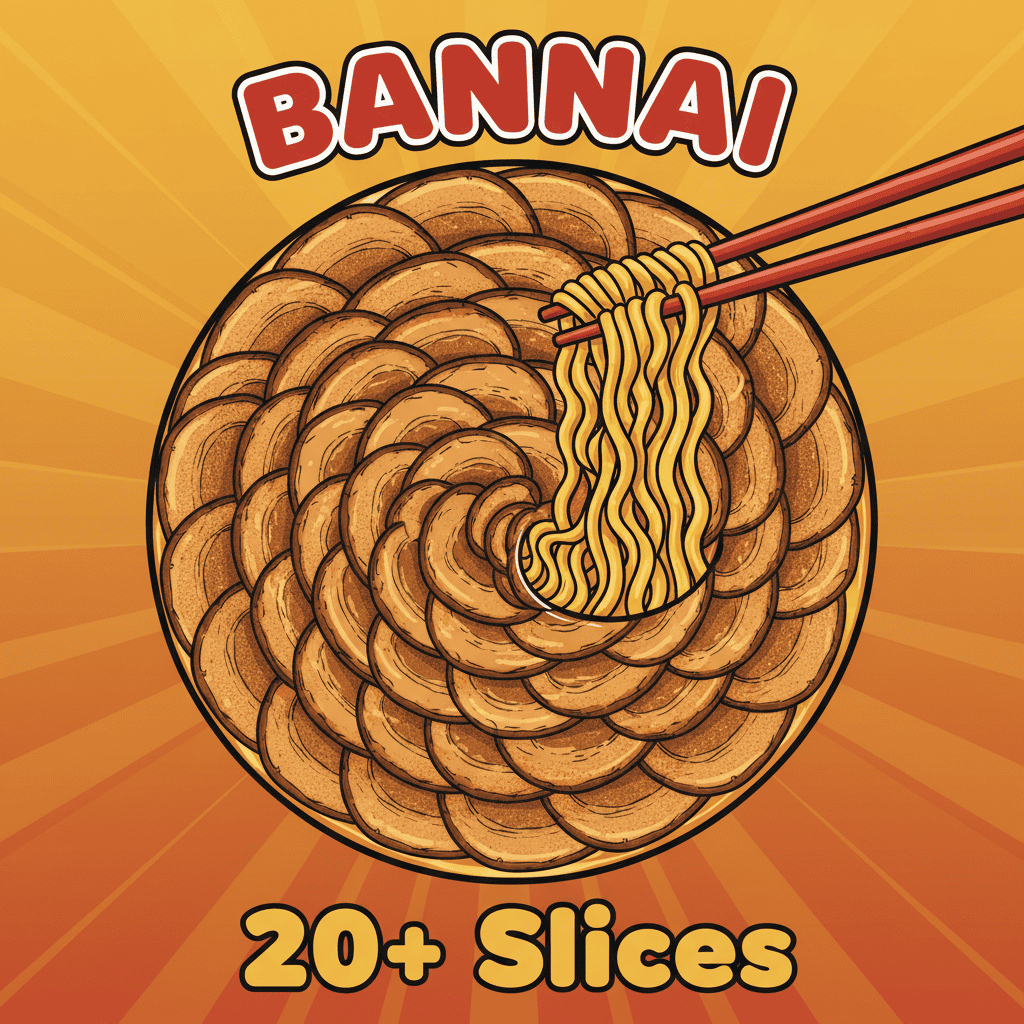
Originating from the snowy northern region of Fukushima, this ramen offers a crystal-clear, soy-sauce based soup that is surprisingly light (“Assari”) yet deeply flavorful. But don’t let the light soup fool you. Bannai is famous for one thing above all else: Chashu (Roast Pork). Here, the meat isn’t just a topping; it’s a carpet that covers the entire bowl. It is the ultimate comfort food—gentle on the stomach, but satisfying for the soul.
👁️Kajino’s Eye: The “Tohoku Spirit” in a Bowl
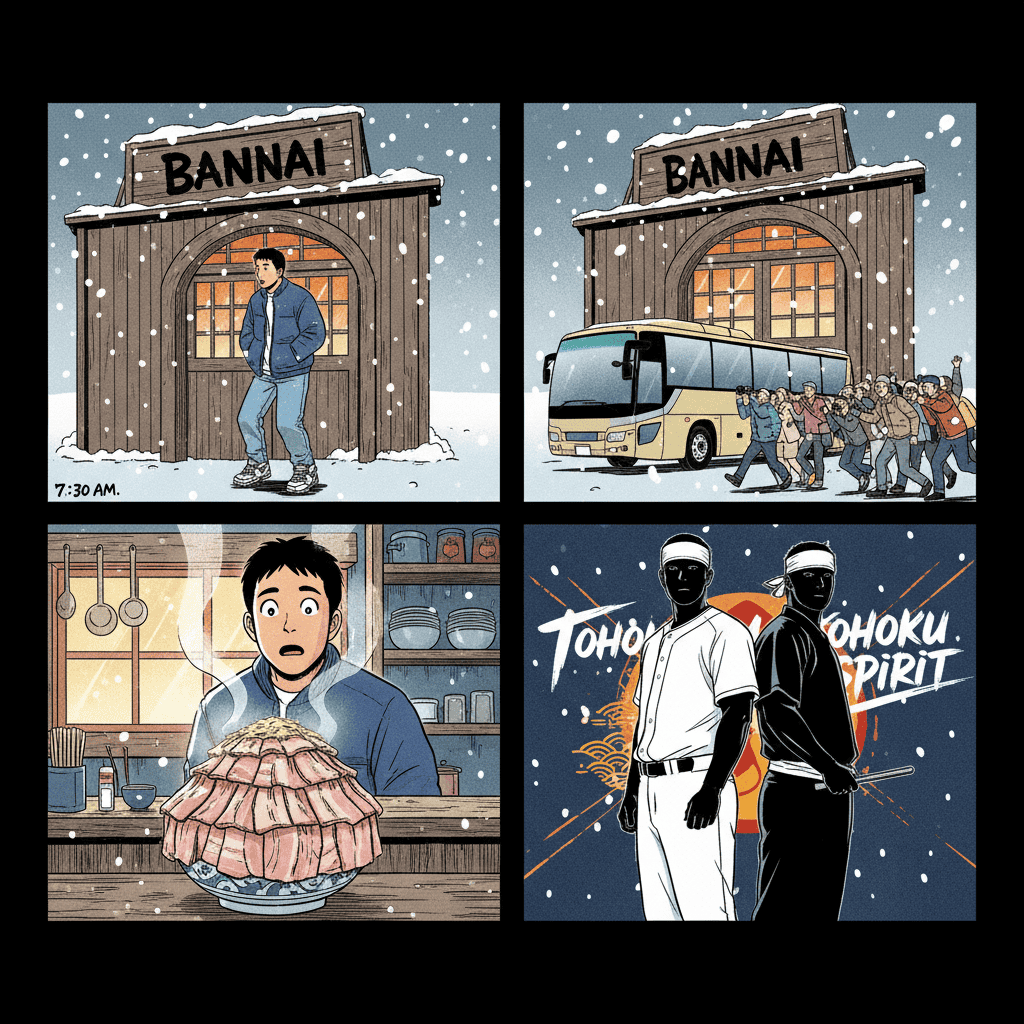
In the 1990s, long before the internet made every ramen shop famous, I traveled to Kitakata in Fukushima Prefecture. I was shocked by two things. First, the culture of “Morning Ramen” (Asa-Ra)—locals eating ramen at 7:30 AM. Second, the sheer quality of the soup.
I visited the original “Bannai Shokudo,” one of the three great Kitakata ramen shops. It was an old, humble building that didn’t look like a legendary establishment. I sat alone in the quiet morning air. But the moment I finished eating and stepped outside, I was stunned to see large sightseeing buses pulling up, unleashing waves of tourists who instantly filled the shop. It was a hidden legend.
The soup was completely different from the heavy styles in Tokyo. It was a “healing taste”—gentle, transparent, and soothing. I ordered the Chashu-men, and I laughed because I couldn’t see the soup or noodles; the entire surface was covered in meat. This generosity is still alive in the Tokyo branches today (Standard: 5 slices, Chashu-men: 13 slices, Limited Mega: 23 slices!).
But here is a deeper mystery: Why didn’t the original master come to Tokyo? Usually, when a regional restaurant becomes famous, the owner expands aggressively to Tokyo or overseas (like Ippudo did). However, the master of the original Bannai Shokudo never left Fukushima. The chain you see in Tokyo is actually run by a separate company that fell in love with the taste and begged for permission to spread it. The original master simply said, “Okay, you can do it,” and stayed in his small town, continuing to make ramen for his neighbors.
This is the “Tohoku Spirit.” The Tohoku region (Northern Japan, including Fukushima) is known for people who are patient, diligent, humble, and dislike standing out. They focus on perfecting their craft rather than chasing fame or money.
Does this sound like anyone you know? Yes, Shohei Ohtani. The baseball superstar is also from Tohoku (Iwate Prefecture). Despite his massive global success and wealth, he remains incredibly humble, obsessed with his craft (baseball), and indifferent to the flashy lifestyle. He doesn’t play for the money; he plays to perfect his art. When you eat Kitakata Ramen, you are tasting that same Tohoku DNA. It is a simple, honest bowl of soup filled with an excessive amount of roast pork (Chashu), made by people who believe actions speak louder than words.
Who is “Koboshi”? (Don’t be Confused!)
As you walk around Tokyo, you might see two different names for this chain:
- Kitakata Ramen Bannai (坂内)
- Kitakata Ramen Koboshi (小法師)
They are exactly the same. Why the two names? As Kitakata ramen became famous, many copycat shops started using the name “Kitakata Ramen.” To differentiate themselves as the authentic lineage, the chain added “Koboshi” (a traditional lucky doll from Fukushima) to the name in some locations. Verdict: If you see the distinct white sign with black brush calligraphy, whether it says Bannai or Koboshi, enter with confidence.
🥩 The “Meat Wall” Phenomenon
My go-to order is the Chashu Ramen. In a standard ramen shop, you might get 2 or 3 slices of pork. At Bannai/Koboshi, the standard bowl comes with 5. But order the Chashu Ramen, and you get about 13 slices, completely hiding the noodles. During special fair periods, they serve a “Mega Chashu Ramen” with 23 slices. The soup is clear and light, but the volume of meat satisfies the strongest hunger. It’s the ultimate comfort food. Recently, they added a Miso flavor to the menu, but for me, the classic soy sauce broth is the only way to experience the true healing power of Kitakata.
How to Order / System
Bannai is very foreigner-friendly, often with picture menus or plastic food displays.
- Enter & Seat: Unlike many ramen shops that use ticket machines, many Bannai locations in Tokyo offer table service. You sit down, look at the menu, and order with the staff.
- The Menu: The base is “Kitakata Ramen” (comes with 5 slices of pork). If you want the meat carpet, order the “Chashu Ramen.”
- Rice: It goes great with a side of “Aburi Chashu Don” (Rice bowl with roasted pork).
- Payment: Pay at the register when you leave.
Rankings: Top Picks at Bannai 👑
(Based on local popularity and Kajino’s recommendation)
Chashu Ramen (焼豚ラーメン)
- The absolute King. The surface is completely covered in tender, melt-in-your-mouth pork belly. This is the “Ohtani” of the menu—powerful yet gentle.
Kitakata Ramen (喜多方ラーメン)
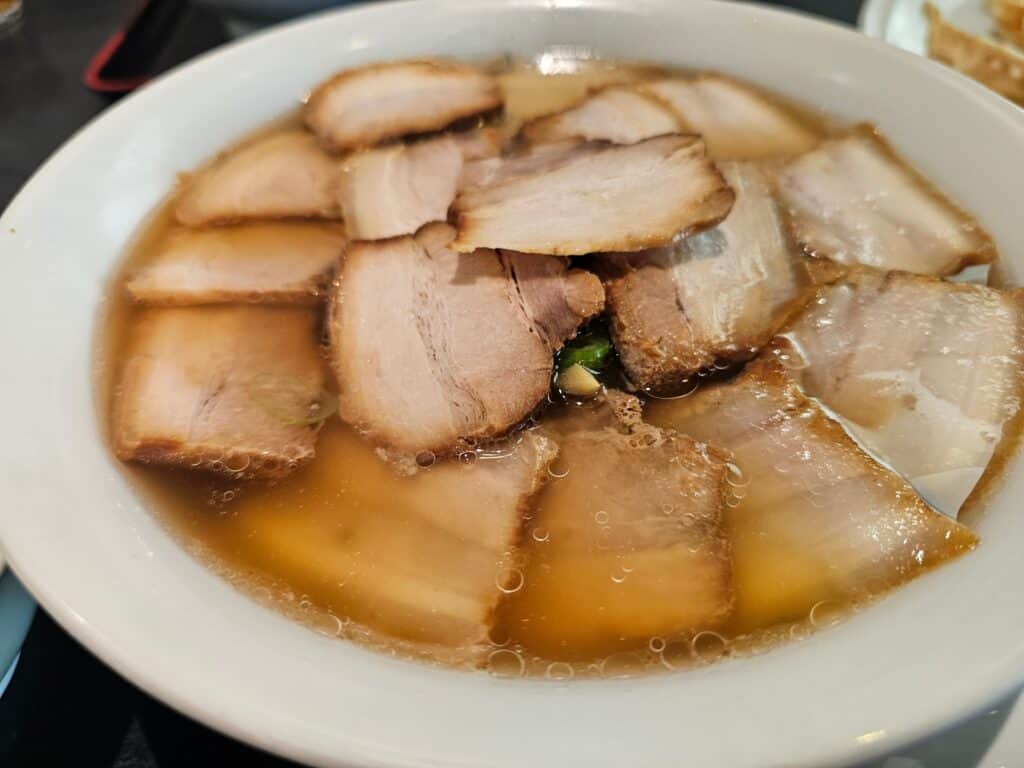
- The standard bowl. Even this basic version comes with 5 slices of chashu, which is generous by Tokyo standards.
Negi Ramen (ねぎラーメン)
- Topped with a mountain of spicy green onions. Great for a change of pace.
Gyoza (餃子)
- Often served with a side of rice for a full set meal.
Basic Info ℹ️
<details> <summary>Click here to expand for Hours, Locations, and Map</summary>
- Name: Kitakata Ramen Bannai (喜多方ラーメン坂内)
- Typical Prices:
- Kitakata Ramen: ~¥820
- Chashu Ramen: ~¥1,200
- Locations: Found near major stations (Shinjuku, Yurakucho, etc.) and office districts.



コメント