目次
Introduction Tokyo to Kansai: 3 Days, 3 Cities, Under ¥30,000?! Is it possible to travel from Tokyo to Kyoto, Osaka, and Nara, stay in a hotel, and enjoy local food for under ¥30,000? Yes, it is.
Usually, a round-trip Shinkansen (Bullet Train) ticket alone costs about ¥29,000. But by using a Night Bus and smart planning, you can turn that transport budget into a full 3-day adventure. This is the “Kajino Style” of Budget Luxury travel.
This article is Part 1 of a 2-part series covering my actual itinerary from May 2022.
Let’s start the journey!
Day 1: Departure Night
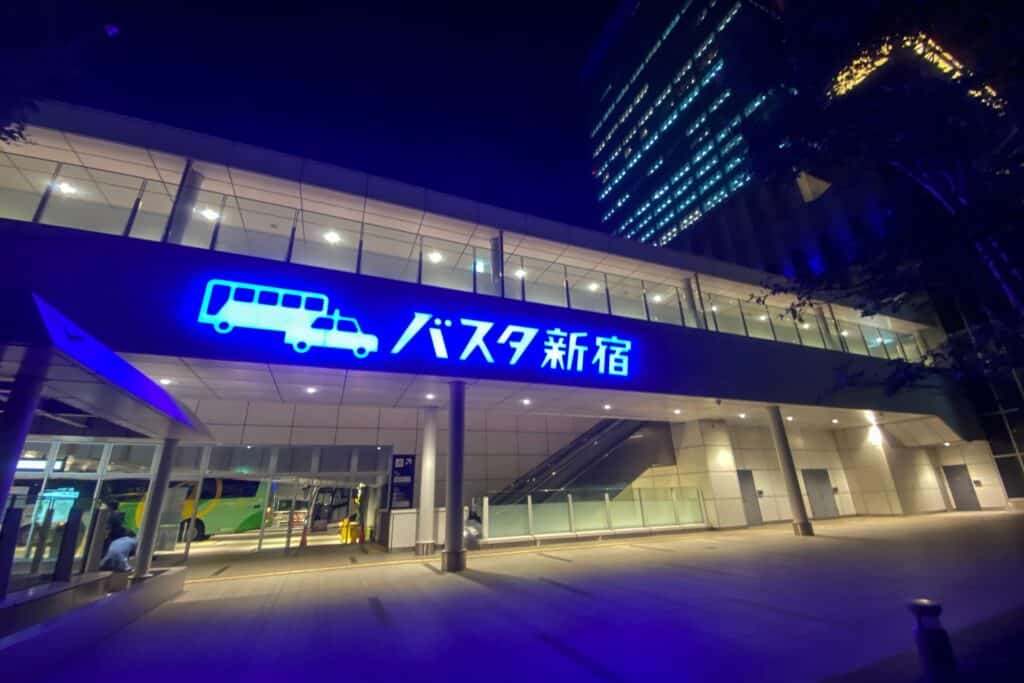
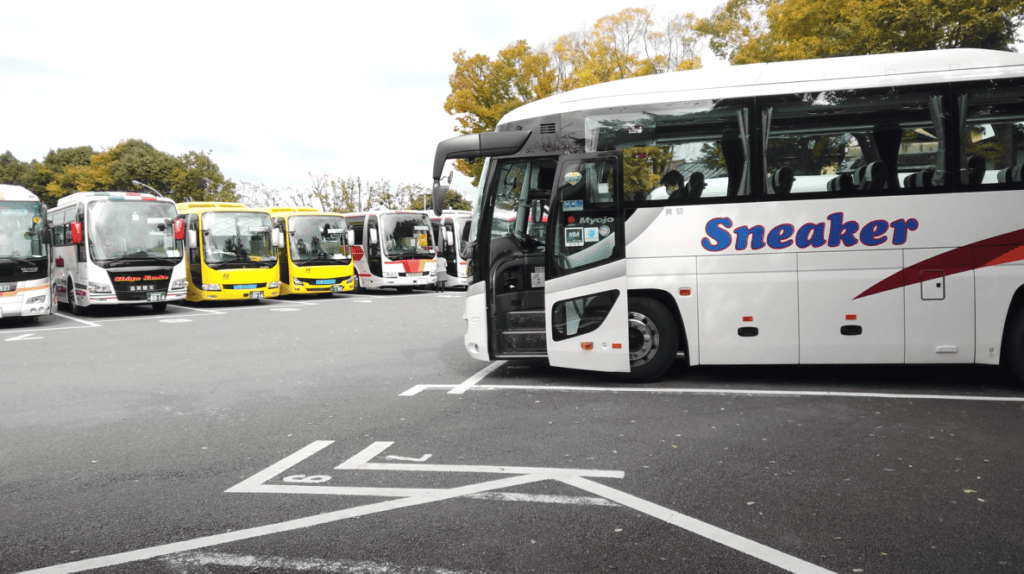
10:15 PM : Depart Shinjuku Bus Terminal Overnight : Sleep on the bus
あわせて読みたい
Tokyo Long-Distance Highway Bus Complete Guide 101
Master Japan's most cost-effective long-distance transportation. This comprehensive guide covers everything foreign travelers need to know about highway buse...
Day 2: Kyoto Exploration
京
Kyoto Cycling Adventure
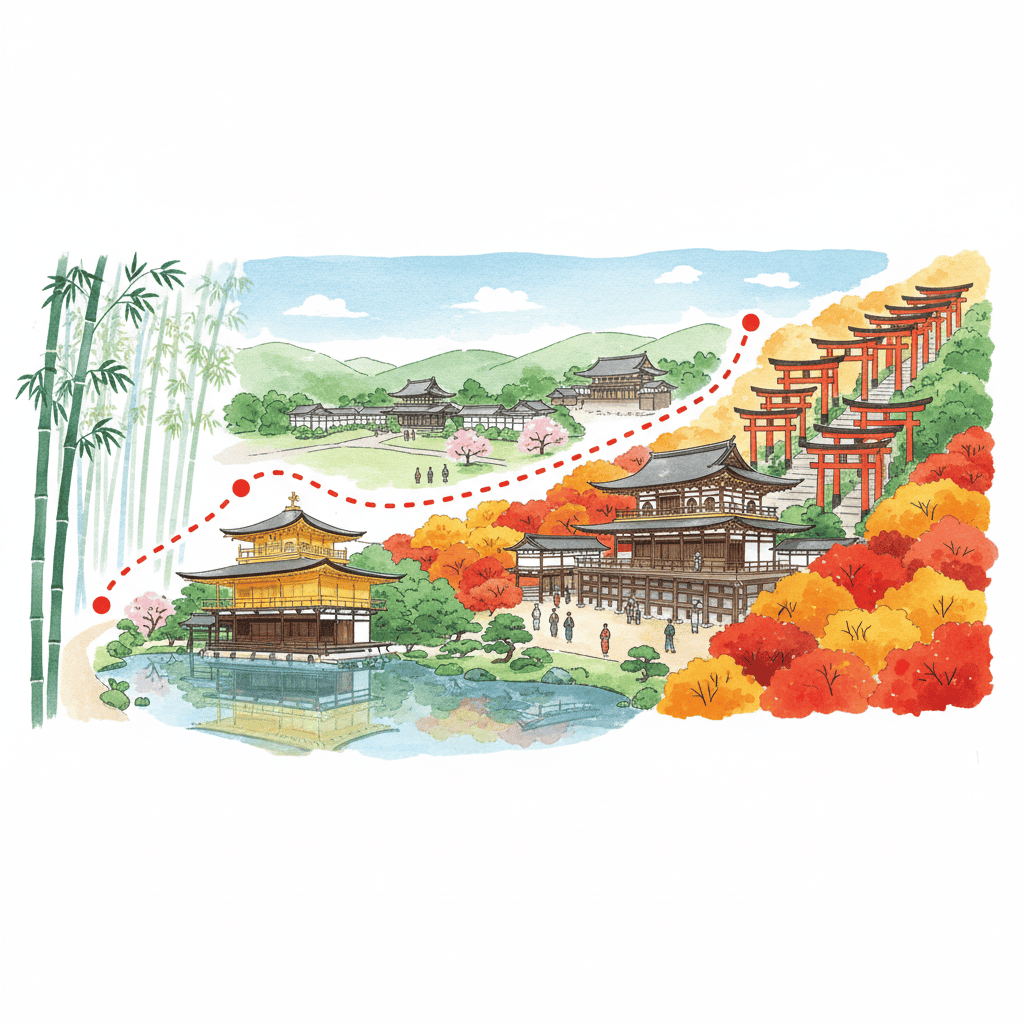
Imperial Palace • Golden Pavilion • Arashiyama
🚴♂️
Morning Route: Kyoto Station-Fushimi Inari (6AM-8:45PM)
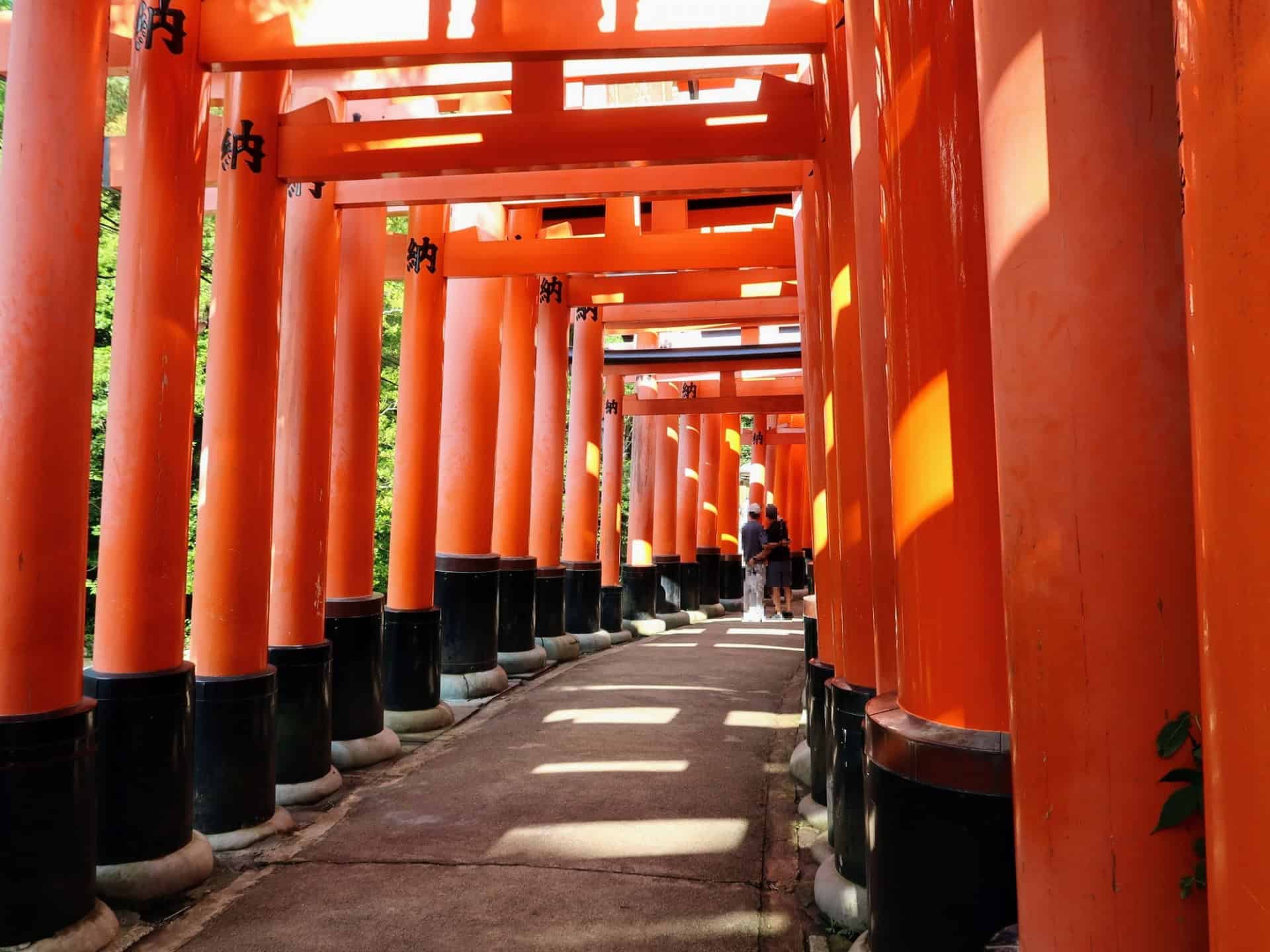
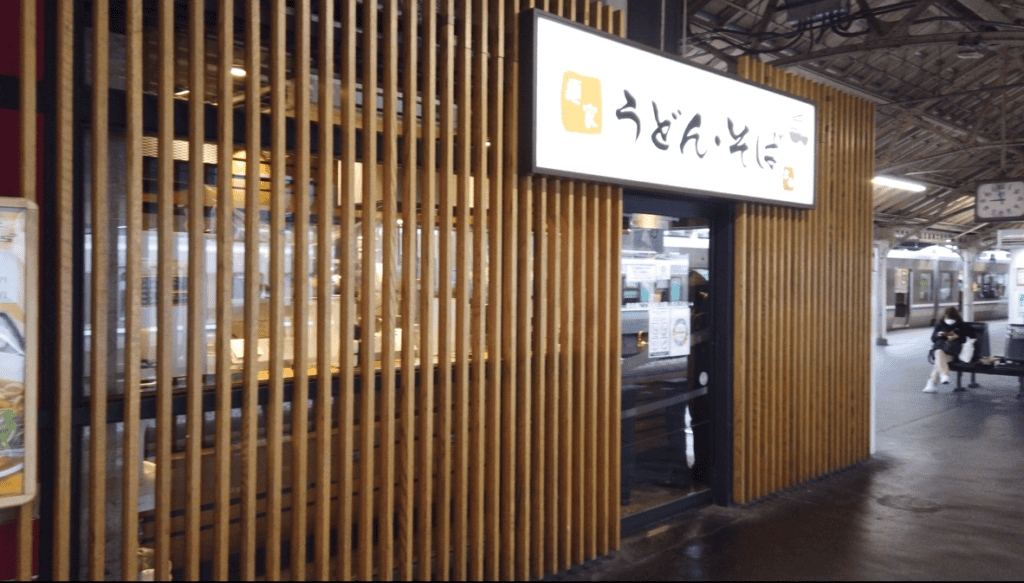
🌞 Morning Route: Maximizing the “Gap Time” (6:00 AM – 9:00 AM) Night buses typically arrive at Kyoto Station around 6:00 AM, but most shops and rental bike services don’t open until nearly 9:00 AM. How should you spend this 3-hour gap? Sitting in a cafe is a waste. My Strategy: Use this time to visit Fushimi Inari Shrine . It is open 24/7, and early morning is the only time you can avoid the massive crowds. It’s the most efficient way to start your day.
Fushimi Inari Shrine(6:30 AM – 8:00 AM)
Why go now? Known for its “Senbon Torii” (Thousands of Vermilion Gates), this shrine is consistently voted the No. 1 sightseeing spot in Japan by international tourists. Because it is open 24 hours, visiting during this “gap time” guarantees a magical, crowd-free experience and perfect photos—something almost impossible later in the day.The Experience: The gates create a hiking trail from the base to the summit (about 1 hour to the top). I climbed to the 7th station , enjoyed a hot coffee at a tea house halfway up, and then returned to the station to pick up my rental bike.
Rental Bike→ Kiyomizu-Temple→ Sannen-zaka(9AM-10:30PM)
🌸 Back to Kyoto Station for Bike Rental (8:45 AM)
Transit: Take the train back to Kyoto Station.Next Step: Head to the rental bike shop.
🚲 Rental Bike → Kiyomizu-Temple → Sannen-zaka (9:00 AM – 12:00 PM)
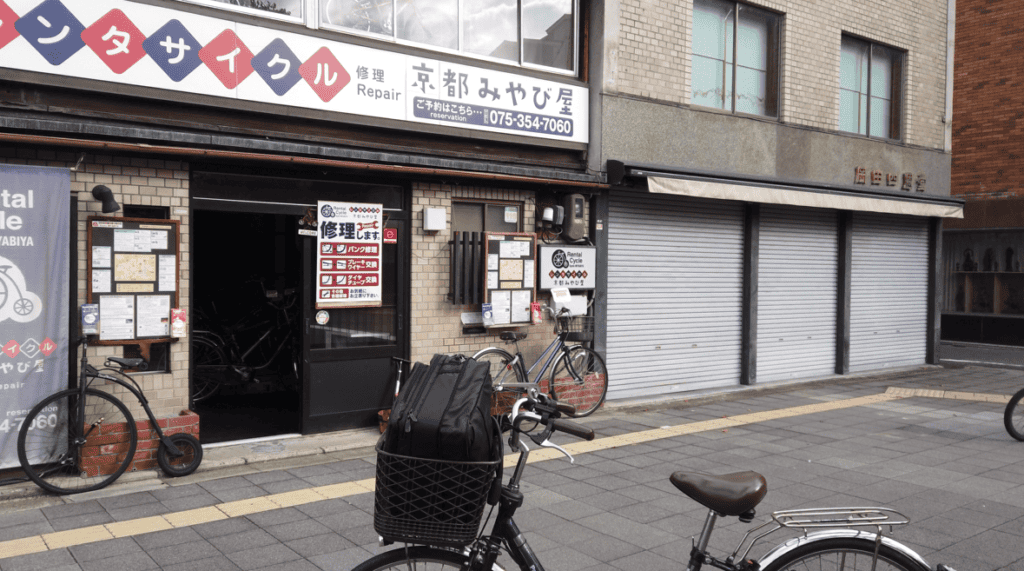
Rental Bike Shop Miyabiya
Location: A short walk from Kyoto Station.Note: I used Miyabiya because they had the specific electric bike I use at home, but there are 2-3 other rental shops right in front of Kyoto Station. Prices are similar.Must-Have: Be sure to rent a Smartphone Holder for navigation! It is essential for cycling in a strange city.
Rental Bike Shop Miyabiya English Home Page
📍 Cycling: Rental Bikeshop → Kiyomizu Temple (Parking)
Parking : Large paid bicycle parking before entering Kiyomizu Temple shopping street Admission : ¥500Kiyomizu Temple → Sannen-zaka(10:30AM-12:00 PM)
📍 Kiyomizu Temple
Architectural marvel : Kiyomizu Temple’s defining feature is the exquisite harmony between masterful architecture and seasonal natural beauty . The famous wooden stage offers breathtaking views, especially spectacular with spring cherry blossoms or autumn foliage, captivating countless photography enthusiasts. Route : After visiting the temple, turn right into Sannenzaka on the way back. When you spot Hokan- five-story pagoda and Kongo-Temple, return to the parking area. Sannenzaka offers Kyoto’s most authentic traditional atmosphere.
📍 The Scary Legend of Sannen-zaka
On the way back, don’t just walk down the main street. Turn right into Sannen-zaka . This narrow, stoned-paved slope is the most “Kyoto-esque” street, lined with traditional shops. But be careful! There is an urban legend: “If you stumble and fall on Sannen-zaka, you will die within three years.” Watch your step while you admire the view of the Yasaka Pagoda (Hokan-ji) in the distance!
📍 三年坂
Stopover: Yasaka Koshindo (The Colorful Monkeys)
📍 1 min walk from the Pagoda If you have time, stop by Kongoji Yasaka Koshindo . It’s famous for hundreds of colorful “Kukuri-saru” (cloth monkeys) hanging around.
The Rule: You write a wish on a monkey and hang it up. In exchange for granting your wish, you must “give up” one of your greedy desires. It’s a photogenic spot with a deep meaning.
📍 12:15 PM: Cycling Through Gion
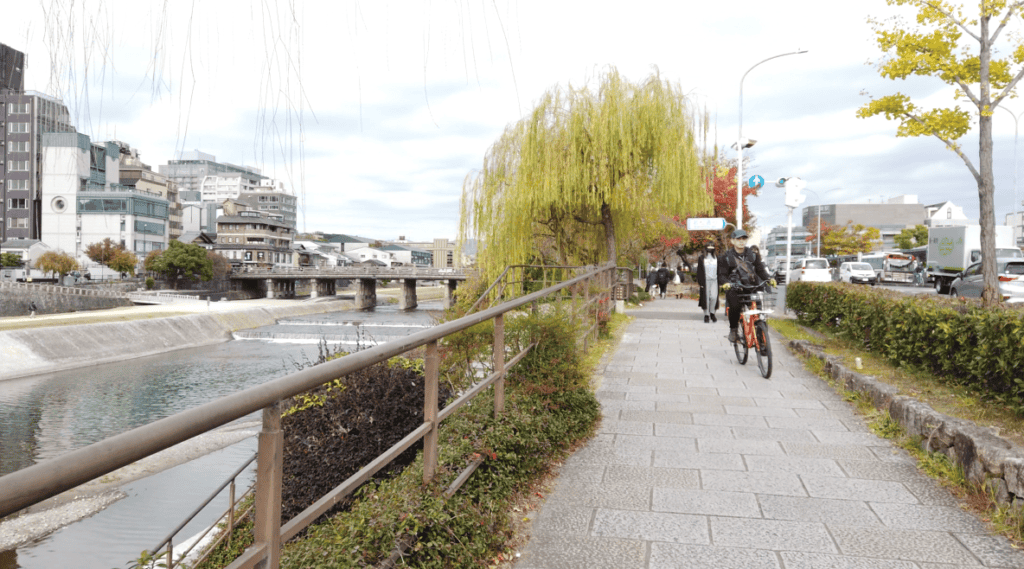
📍 Higashiyama → Gion → Shijo Bridge Ride your bike from the temple area down through Gion , the famous Geisha district. Cycling across the Kamogawa River feeling the breeze is one of the best parts of this trip.
。
Lunch: Kyosai-mi Nomura (12:30 PM)
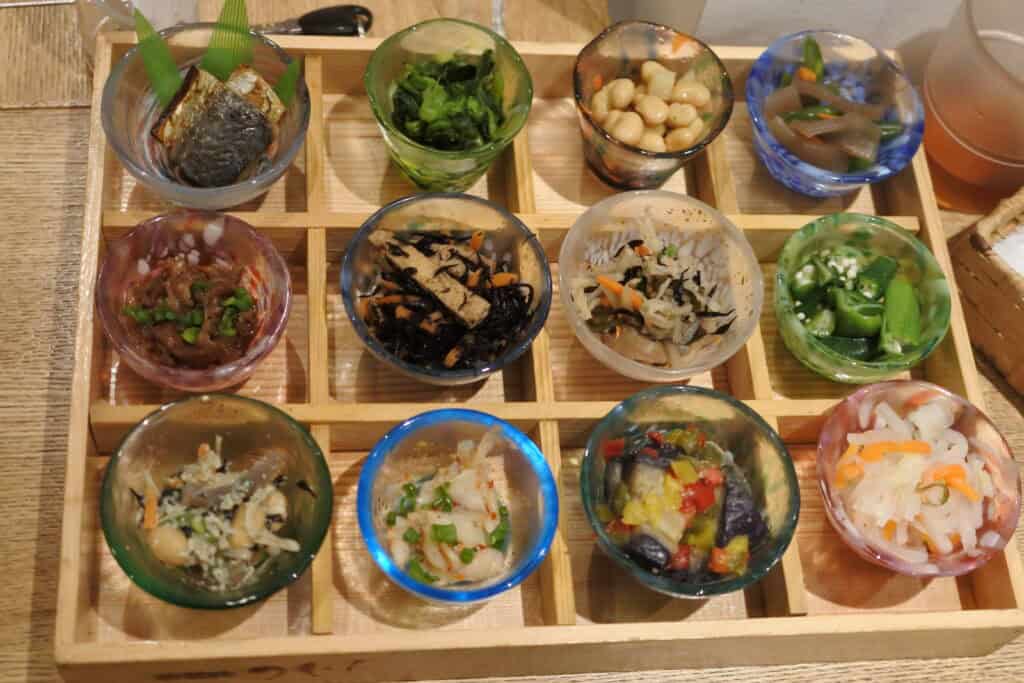
📍 Near Karasuma For lunch, I chose Kyosai-mi Nomura . They serve Obanzai (traditional Kyoto home-style cooking). I ordered a set featuring 12 small bowls of vegetable-focused dishes.
Convenience: There is free bicycle parking in front of the shop. It’s healthy, visually beautiful, and tastes like grandmom’s finest cooking.
Budget: Under ¥2,000.
Kyoto Imperial Palace (13:15 PM)
📍 Kyomisai Nomura to Ainomachi Entrance of Kyoto Imperial Palace
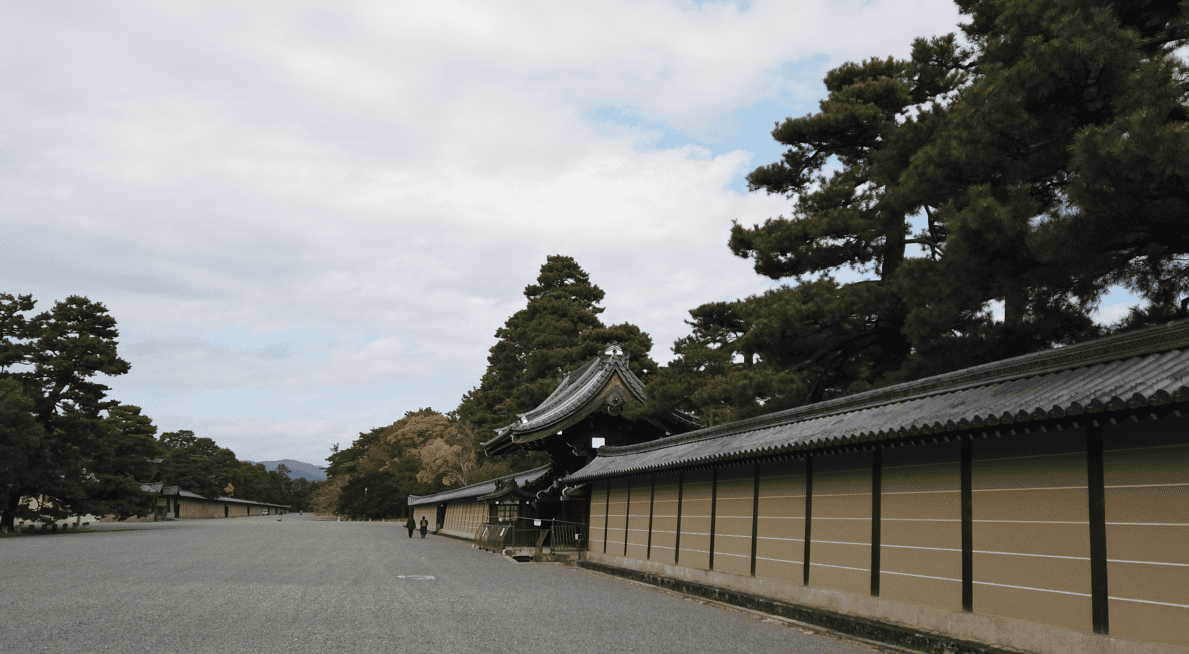
Enter through the Ainomachi Entrance (South) and cycle through the vast park to the Inui-Gomon (North) . This was the residence of the Imperial Family until 1868. The gravel paths and massive pine trees are majestic. It takes about 30 minutes to ride through leisurely.
Introduction of Kyoto Imperial Palace
2:00 PM: Kinkaku-ji (The Golden Pavilion)
📍Kyoto Imperial Pace to Kinnkaku-ji
Introduction of Kyoto Imperial Palace
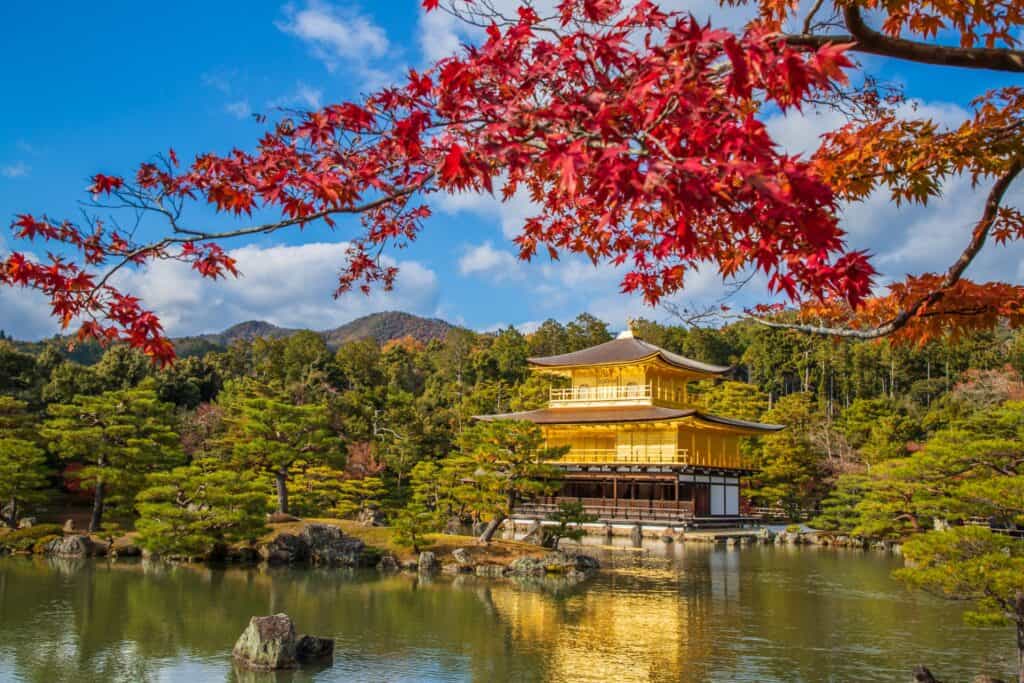
Author’s Note: On my actual trip, Kinkaku-ji was unfortunately under renovation, so I headed straight to Arashiyama. However, for your trip, this is a must-see . The Golden Pavilion reflecting on the pond is the most iconic image of Kyoto. Even if you visit here, you still have plenty of time to reach Arashiyama before the bike return time (6:00 PM).
Arashiyama(PM15:30~)
Scenic essence : Beautiful harmony of river, bridge, and mountains, enhanced by historic temples, traditional architecture, and the refined atmosphere of a medieval villa district.
Must-do experiences :
Traditional : Tea and dango at shops facing Togetsukyo Bridge while enjoying the sceneryNature : 5-minute walk to Bamboo Grove—thousands of bamboo creating an endless healing pathway
Coffee culture : Kyoto boasts Japan’s highest coffee standards with minimal chain store influence. Arabica Kyoto , near Togetsukyo Bridge, ranks as the city’s most acclaimed coffee shop.
Note : Arashiyama bicycle parking is generally paid.
📍Kinnkaku-ji to Arashiyama
Bamboo Grove
Just a 5-minute walk from the bridge. Thousands of towering bamboo stalks create a green tunnel. It’s a surreal, peaceful ending to a busy day.
Togetsukyo Bridge
The wooden bridge spanning the river is the symbol of Arashiyama. Although there weren’t many foreigners during my visit (due to the pandemic), it is now a bustling hub of matcha cafes and tourists.
5:30 PM: The Final Stretch
It takes about 40-60 minutes to ride back to Kyoto Station from Arashiyama. The route is mostly flat, but make sure your e-bike battery still has some juice! Return the bike by 6:00 PM to avoid late fees.
Next Stop: We take the train to Osaka for the night, preparing for tomorrow’s encounter with the deer in Nara.
📍 Arashiyama to Kyoto Station
🌃 Osaka Evening: Robots, Soul Food, and the Great Debate
After a full day of cycling through Kyoto’s history, it’s time to head to Osaka—the kitchen of Japan—for the night.
🚆 Moving to Osaka
Route: JR Kyoto Station → JR Osaka StationTime: Approx. 35 minutesCost: ¥580Convenience: Frequent trains make this transfer incredibly easy.
🦖 Accommodation: Check-in with a Dinosaur
Hotel: Henna Hotel Namba (変なホテル) Location: Near the famous Glico Running Man sign (Namba’s most famous photo spot).
I stayed at the “Henna Hotel” (literally “Strange Hotel”), which is famous for being staffed by robots.
Reception: A human-sized, multilingual T-Rex robot handles the check-in process! It moves and talks, which is a surreal experience.In-Room: A mini-robot provides local information, restaurant recommendations, and even conversation.Human Contact: Zero from check-in to check-out (Breakfast staff are human, but the stay itself is fully automated).Cost: Approx. ¥6,000 per night.
The T-Rex receptionist. It speaks multiple languages and handles your check-in!
📍 Map: Namba Glico Sign to Henna Hotel Namba
🧐 Kajino’s Eye: The Great Food Debate – Tokyo vs. Osaka
There is an eternal debate in Japan: “Which city has better food, Tokyo or Osaka?”
As a Tokyo native, here is my honest verdict:
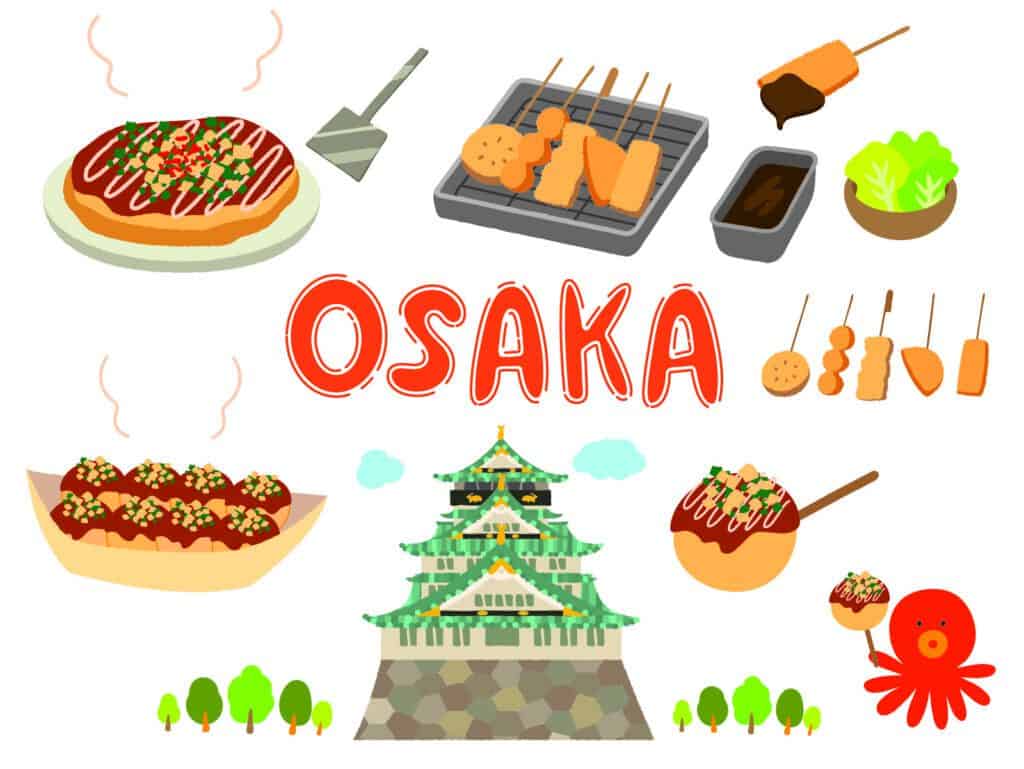
Tokyo Wins: Sushi and Western-style cuisine (Yoshoku).Osaka Wins: Yakiniku (BBQ), Okonomiyaki, Takoyaki, and Standing Udon (the broth is lighter and more flavorful here).
The “Safe” City: In Osaka, the general level of food is incredibly high. No matter which random restaurant you walk into, it’s almost guaranteed to be delicious. You rarely “fail” in Osaka.
The Ramen Exception: However, I have one controversial opinion. Ramen. I visited three super-famous, highly-rated ramen shops in Osaka, but honestly? I didn’t find them impressive. Perhaps my tongue is too accustomed to the Tokyo style of ramen. If you are a ramen enthusiast, let me know what you think!
🥢 Dinner: Iron Griddle Soul Food
For dinner, I headed to Tsuruhashi , famous for its Korean Town and yakiniku, but tonight I chose Teppanyaki (Iron griddle cooking).
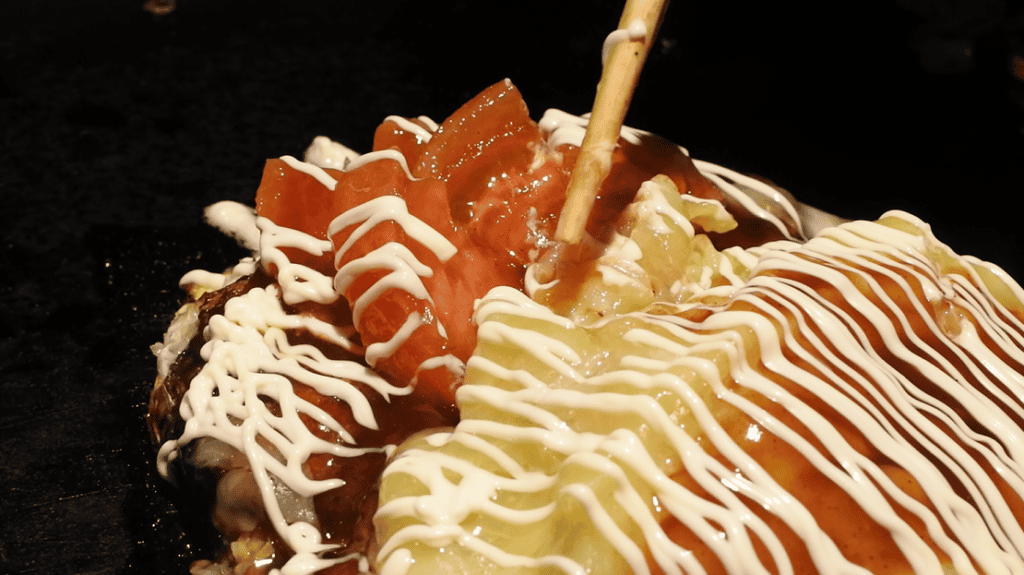
Restaurant: Pompokotei (Tsuruhashi) I enjoyed authentic Okonomiyaki and Teppanyaki dishes. The sizzling sound of the sauce on the hot iron plate is the sound of Osaka!
Late Night Snack: After dinner, I took a stroll through the neon-lit streets of Namba . You can’t sleep in Osaka without having Takoyaki . I bought some to-go as a late-night snack and headed back to the hotel to sleep.
Next Up: Day 3 – A journey to the ancient capital of Nara , featuring the Great Buddha and sacred deer!












コメント
コメント一覧 (1件)
[…] Missed Part 1? Start from Kyoto here. […]