
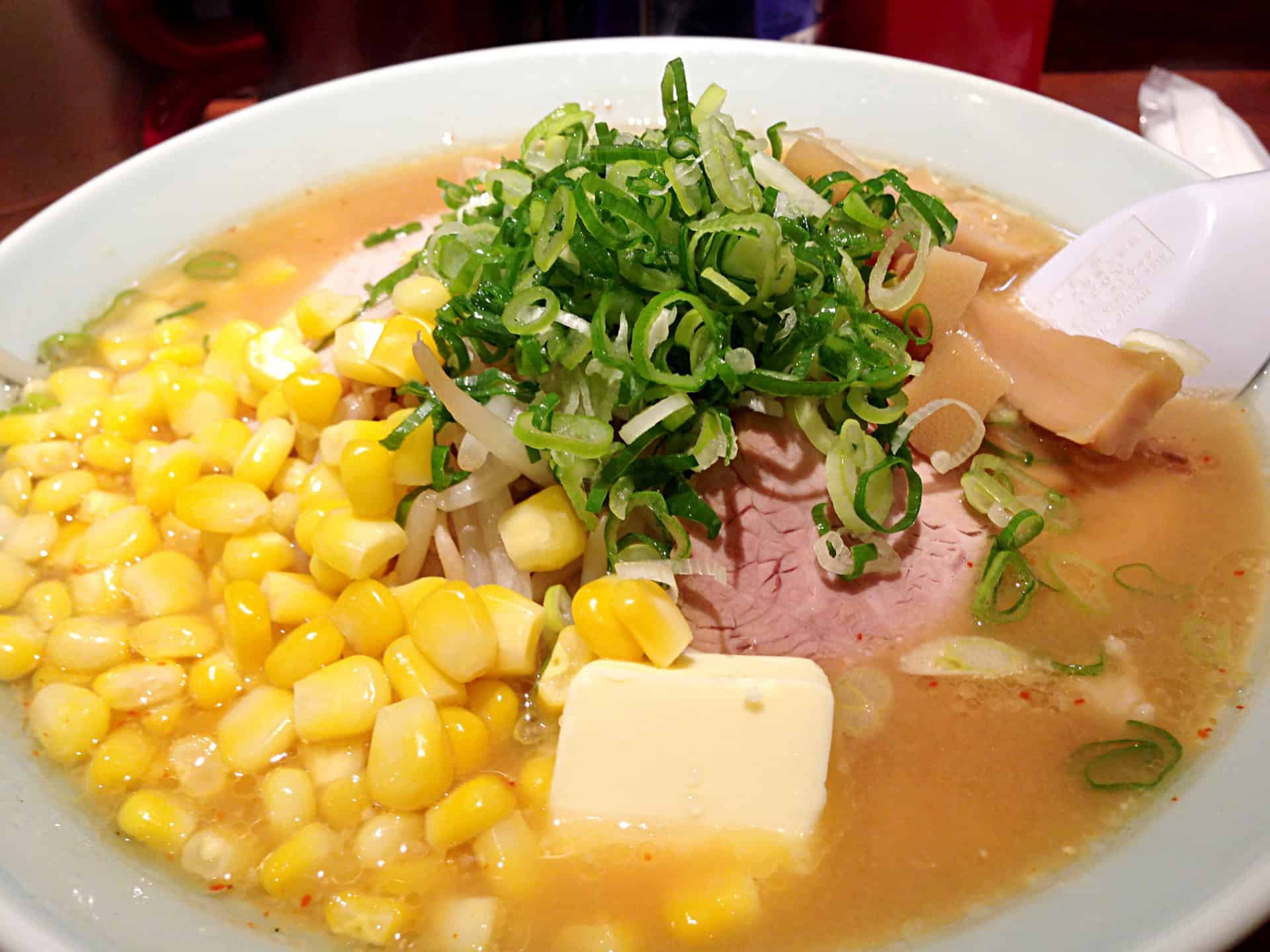
When people talk about Japan’s “Three Great Ramen Styles,” they usually mean:
- Sapporo Miso Ramen (Hokkaido)
- Kitakata Ramen (Fukushima)
- Hakata Tonkotsu Ramen (Fukuoka)
Among them, miso ramen may be the most comforting and winter-friendly style of all.
Originally developed in cold Hokkaido, miso ramen became nationally famous during the 1970s when the instant noodle giant “Sapporo Ichiban Miso Ramen” exploded in popularity across Japan. At the time, both instant noodles and miso-flavored ramen felt fresh and exciting to ordinary households.
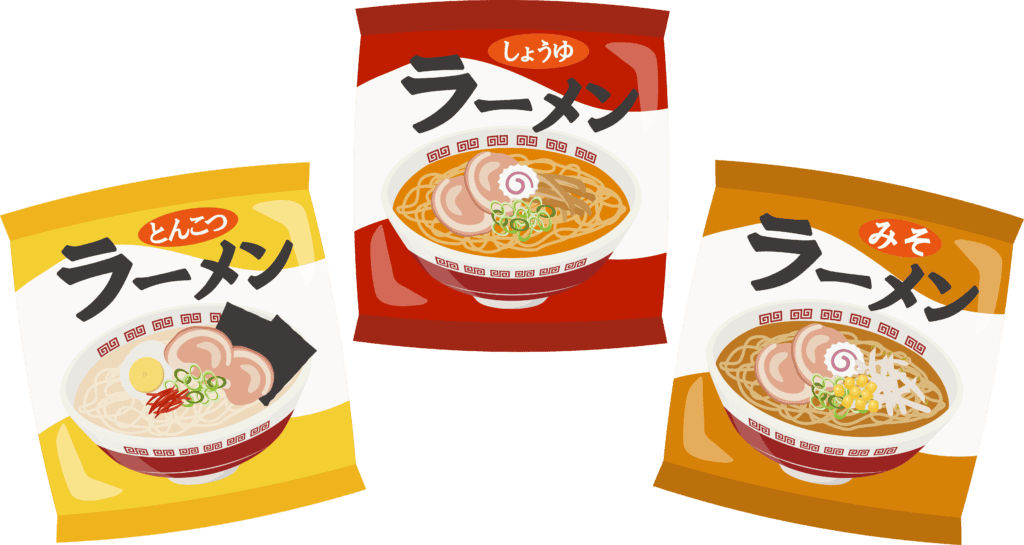
As a result, what was once mostly limited to ramen shops in Sapporo gradually spread into Tokyo and the rest of Japan.
Today, miso ramen remains one of Japan’s most beloved comfort foods.
🍜 What Makes Miso Ramen Different?
Miso ramen is defined by its deep, rich soup made from fermented soybean paste.
Unlike delicate shoyu or shio ramen, miso ramen emphasizes warmth, aroma, and power. Many shops stir-fry vegetables, garlic, ginger, and minced meat before adding the soup, creating a smoky and highly satisfying flavor.
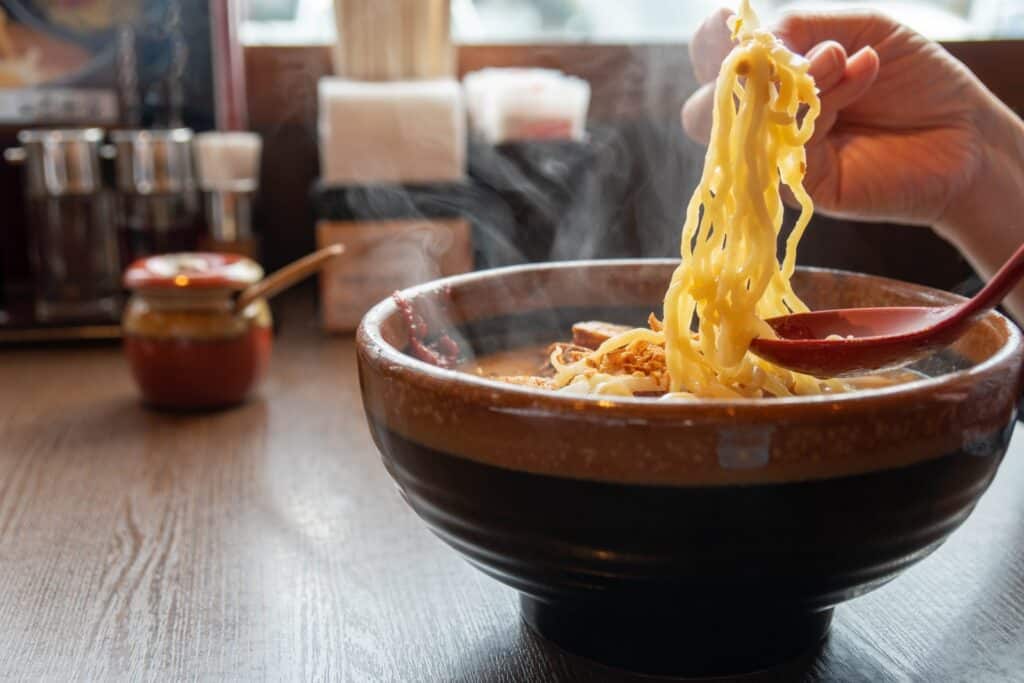
The standard noodle choice is medium-thick curly noodles, which hold the heavy soup well.
Common toppings include:
- bean sprouts
- cabbage
- onions
- corn
- butter
- minced pork
The result is a bowl that feels hearty, practical, and deeply connected to cold-weather eating culture.
🔥 Why Miso Ramen Became So Popular
One major reason is simple:
miso ramen is relatively easy to make well.
Tonkotsu ramen requires enormous labor. Traditional pork bone soup may boil for days. Shoyu ramen often depends on delicate broth techniques and expensive ingredients.
Miso ramen is different.
Even at home, a flavorful bowl can be created using:
- proper miso
- garlic
- ginger
- chicken stock powder
- stir-fried vegetables
This accessibility helped miso ramen spread far beyond Hokkaido.
It became not only a restaurant dish, but also a part of everyday Japanese home cooking culture.
🍚 Is Miso Ramen Heavy?
Generally, yes.
Compared to shoyu or shio ramen, miso ramen tends to contain more calories because many shops use:
- stir-fried oil
- lard
- butter
- thicker soup bases
A typical bowl often reaches 600–800 kcal or more.
However, this richness is exactly what many people crave during winter. Miso ramen is designed to warm the body and create a strong feeling of satisfaction.
🏠 Why Miso Ramen Works So Well at Home
Miso ramen may be the most home-cook-friendly ramen style in Japan.
You do not need:
- ultra-delicate seafood broth
- days of pork bone boiling
- expensive artisan ingredients
With supermarket ingredients alone, you can already create a surprisingly authentic bowl.
That practicality explains why miso ramen became deeply rooted in Japanese daily life. Even today, many Japanese people occasionally make simple miso ramen at home during cold seasons.
🧈 Butter, Corn, and the Sapporo Identity
Outside Japan, many people associate ramen with pork slices and eggs.
But Sapporo-style miso ramen created a different image:
butter and corn.
The sweetness of corn and richness of butter balance the salty fermented miso soup surprisingly well. Combined with stir-fried vegetables and curly noodles, the bowl becomes heavy, warming, and highly addictive.
This “Hokkaido style” remains one of Japan’s most recognizable regional ramen identities.
🏆 Recommended Miso Ramen Shops in Tokyo
Tokyo has many excellent miso ramen specialists, including several shops connected to the legendary Sapporo shop Sumire.
Recommended shops include:
- Hanada (Ikebukuro)
- Misokko Fuku (Ogikubo)
- Fukuro (Asakusabashi)
- Oshima (Funabori)
- Hanamichi-an (Nogata)
- Sannora (Edogawabashi)
Among them, Fukuro, Oshima, and Sannora are especially respected because their owners trained at the legendary Sapporo shop Sumire, often considered Japan’s most famous miso ramen institution.
🔰 Beginner Tips for First-Time Visitors
If this is your first miso ramen experience:
- expect a heavier soup
- don’t wear a white shirt
- prepare for heat and oil
- try butter only after tasting the original soup first
Miso ramen is less about elegance and more about comfort, warmth, and satisfaction.
It is one of Japan’s ultimate cold-weather foods.