
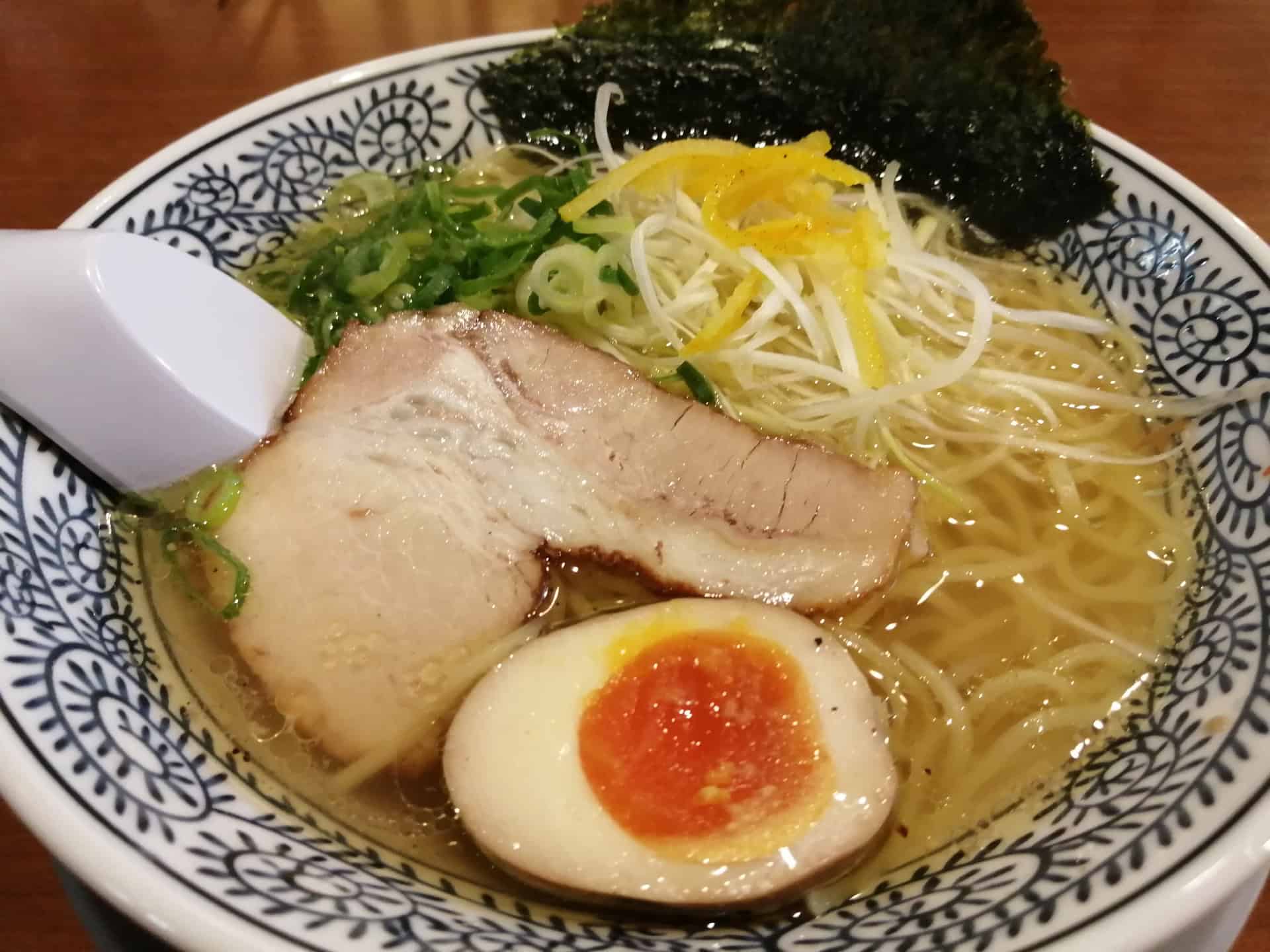
Shio ramen (塩ラーメン), or salt ramen, is one of Japan’s oldest and most refined ramen styles.
Unlike heavier tonkotsu or strongly flavored miso ramen, shio ramen focuses on clarity, balance, and the natural flavor of the ingredients themselves. A clear soup seasoned with salt tare creates a bowl that appears simple, yet is often considered one of the hardest ramen styles to perfect.
Because there is nowhere to hide mistakes, many ramen chefs view shio ramen as a true test of technical skill.
The soup is typically built from combinations of:
- chicken stock
- pork bones
- seafood
- kombu
- vegetables
The result is a clean but deeply layered bowl loved across generations in Japan.
⚓ The Origins of Shio Ramen
Shio ramen is widely considered one of Japan’s earliest ramen styles.
Its roots are commonly traced back to Hakodate in Hokkaido during the early 1900s. As an international port city exposed to foreign trade and outside cultural influences, Hakodate developed lighter clear soups that differed from the darker soy sauce ramen styles later associated with Tokyo.
This clean, transparent soup eventually became the prototype for modern shio ramen.
Even today, Hakodate remains one of Japan’s most famous shio ramen cities.
🍜 What Makes Shio Ramen Different?
The defining feature of shio ramen is transparency.
While tonkotsu ramen aims for heaviness and miso ramen emphasizes richness, shio ramen tries to highlight the original flavor of the broth itself.
The soup often appears light, but great shio ramen contains surprising depth and complexity underneath its clear surface.
Because the seasoning is subtle, every detail matters:
- broth quality
- oil balance
- noodle texture
- temperature
- salt blend
This is why many ramen fans consider shio ramen one of the most technically demanding styles in Japan.
🧈 Butter and Shio Ramen
Most toppings are similar to shoyu ramen:
- chashu pork
- boiled egg
- green onions
- bamboo shoots
However, one topping appears especially often in shio ramen:
butter.
Butter adds richness and smoothness to the clean salt-based soup, especially in Hokkaido-inspired bowls. While butter occasionally appears in miso ramen, it is rarely associated with traditional shoyu ramen.
This combination became one of the iconic images of northern Japanese ramen culture.
🏠 Rare as a Specialty Shop, Common at Home
In Tokyo, shoyu ramen still dominates everyday ramen culture. Tonkotsu and tsukemen specialists are also easy to find in major entertainment districts.
Dedicated shio ramen shops, however, are surprisingly rare.
Yet inside Japanese homes, shio ramen remains extremely popular.
One reason is the long-running instant noodle brand “Sapporo Ichiban.” For decades, its best-selling flavor has consistently been shio ramen, followed closely by miso ramen.
Because the flavor is easy to customize, countless home recipes exist online using:
- vegetables
- eggs
- butter
- sesame oil
- garlic
- seafood
This balance between simplicity and flexibility helped shio ramen become deeply rooted in everyday Japanese life.
🏆 Recommended Shio Ramen Shops in Tokyo
Tokyo has relatively few pure shio ramen specialists, but several elite shops have elevated the style into Michelin-level cuisine.
Recommended shops include:
- Nakiryu (Otsuka) – reservation system
- Toy Box (Minowa)
- Japanese Ramen Gokan (Ikebukuro) – reservation system
- Iruca (Roppongi)
- Kohaku (Kamata)
- Homemade Ramen Muginae (Omori)
- Ramen Break Beats (Yutenji) – reservation system
- SOBA HOUSE Konjiki Hototogisu (Shinjuku Gyoen)
Many of these establishments earned Michelin stars or Bib Gourmand recognition for their refined soup craftsmanship and ingredient precision.
🔰 Beginner Tips for First-Time Visitors
If you are trying shio ramen for the first time:
- start with the original soup before adding seasonings
- avoid overpowering the broth with garlic immediately
- pay attention to aroma and aftertaste
- expect subtlety rather than explosive flavor
Shio ramen is not designed to overwhelm.
Its beauty comes from balance, clarity, and restraint—qualities deeply connected to Japanese cooking philosophy itself.